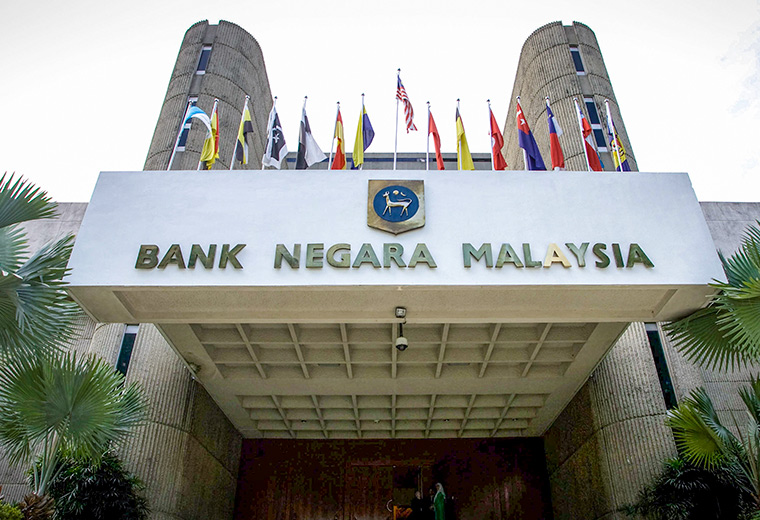
MALAYSIA’S external financial position remained resilient as international reserves held by Bank Negara Malaysia (BNM) reached US$132.6 billion as at 30 June 2026, reflecting the country’s continued ability to withstand external pressures and global economic uncertainties.
BNM said the reserves position had taken into account quarterly foreign exchange revaluation changes and remained sufficient to support Malaysia’s external payment obligations.
The latest reserves level provides coverage for 4.7 months of imports of goods and services and is equivalent to 0.9 times Malaysia’s total short-term external debt.
In a statement today, the central bank said the short-term external debt ratio was calculated using the latest available reserves data as at 30 June 2026, alongside short-term external debt figures available for the first quarter of 2026.
Short-term external debt refers to borrowings from non-residents with maturities of one year or less.
BNM explained that these obligations largely involve resident banks managing foreign currency liquidity requirements, as well as multinational corporations, including foreign banks, obtaining financing from overseas parent companies or headquarters.
The central bank said such liabilities are typically serviced through external asset holdings and do not represent direct claims on Malaysia’s international reserves.
The latest reserve assessment uses the broader import coverage measure, which evaluates reserves against imports of goods and services rather than retained imports of goods alone.
Under the previous measurement approach, Malaysia’s reserves would have been sufficient to finance 5.9 months of retained imports of goods.
BNM added the updated indicator provides a more comprehensive assessment of external resilience by reflecting the country’s wider trade and services commitments. - July 7, 2026