THE US dollar traded broadly steady on Thursday as financial markets assessed the inflationary implications of the conflict in the Middle East alongside the Federal Reserve's evolving monetary policy outlook.
The US Dollar Index hovered near the 101 level, little changed from the previous two trading sessions, as investors monitored continued exchanges of military strikes between the United States and Iran even as the recent surge in oil prices began to moderate.
Minutes from the Federal Reserve's June policy meeting showed officials remained divided over the future path of interest rates, with policymakers debating several possible scenarios. While only a small number of officials supported another rate increase, financial markets continue to price in at least one additional Federal Reserve rate hike before the end of 2026, with the probability of a September increase estimated at around 64%.
The dollar weakened slightly against the Japanese yen as investors evaluated speculation over possible intervention by Japanese authorities to support their currency, while the euro strengthened modestly against the greenback on expectations that the European Central Bank could deliver another interest rate increase.
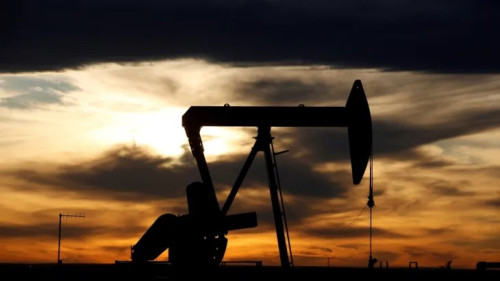
Meanwhile, crude oil prices remained near US$72 a barrel on Friday after falling about two per cent in the previous session, as reports suggested that Washington and Tehran would continue peace negotiations despite the recent escalation in hostilities.
Nevertheless, US benchmark West Texas Intermediate (WTI) crude remained on course for a weekly gain of more than four per cent after US military strikes on Iranian targets over two consecutive days, launched in response to attacks on vessels transiting the Strait of Hormuz, prompted retaliatory strikes by Tehran against US military bases in the region.
Adding to market uncertainty, President Donald Trump cast doubt over the viability of the interim peace agreement, declaring that the arrangement had effectively collapsed following the renewed exchange of attacks.
Although oil prices retreated as hopes for continued diplomacy improved market sentiment, investors remain focused on developments surrounding the Strait of Hormuz, where shipping traffic slowed significantly this week.
The strategic waterway remains central to global energy markets and continues to be one of the most sensitive issues in ongoing negotiations between the United States and Iran, with traders closely watching whether normal shipping activity resumes in the coming days. - July 10, 2026