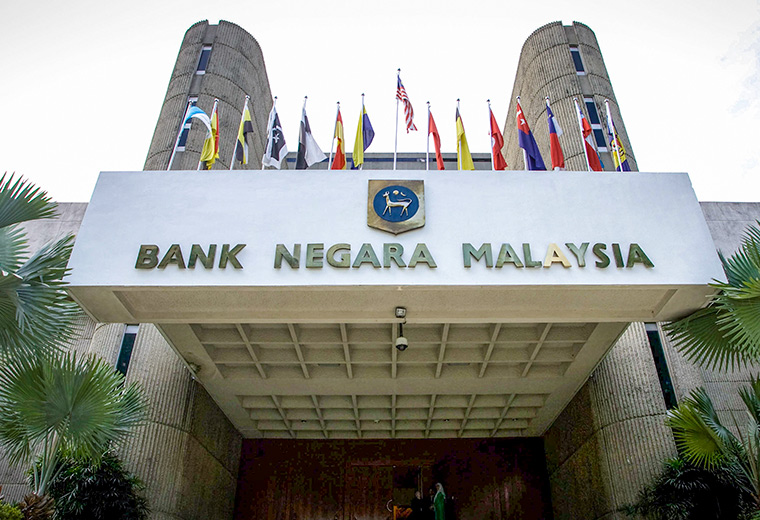
BANK Negara Malaysia (BNM) has kept the Overnight Policy Rate (OPR) at 2.75%, signalling confidence in Malaysia’s economic resilience as growth remains on track to reach around 5% this year.
The decision by the Monetary Policy Committee (MPC) comes after the economy expanded 5.7% in the first half of 2026, driven by stronger-than-expected export performance and sustained domestic demand.
BNM said on Thursday that the solid growth momentum was expected to carry through the remainder of the year, while sound economic fundamentals should keep the economy resilient in 2027.
Growth will be supported by the external sector, particularly improving global prospects and robust demand for electrical and electronics (E&E) goods, continued strength in technology-related non-E&E exports and sustained tourist spending.
Stable labour market conditions and ongoing investment activity are also expected to support domestic demand.
However, BNM warned that the outlook remained exposed to risks from a prolonged Middle East conflict and lower commodity production.
“Upside potential to growth could arise from better-than-expected global growth, stronger technology-related export demand and higher tourism activity,” the Central Bank said.
On inflation, headline and core inflation averaged 1.8% and 2% respectively in the first seven months of the year.
BNM said the pass-through of elevated costs to consumer prices remained contained by domestic policy measures and stable demand conditions, alongside limited spillover of external-sector strength into wages.
However, elevated global commodity prices linked to uncertainties surrounding the Middle East conflict continue to exert upward pressure on costs.
“The MPC will remain vigilant to cost pressures and domestic demand conditions given their impact on the inflation outlook,” BNM said.
Globally, BNM said growth remained resilient, supported by strong technology-sector expansion, improving supply conditions and stable labour markets.
While global inflation had edged lower in recent months, it was expected to remain elevated due to the lagged pass-through of energy costs to consumer prices.
The central bank said Middle East tensions would continue to weigh on global growth and fuel inflationary pressures, although sustained technology-related spending was expected to cushion the impact.
“Downside risks to global growth remain, stemming from prolonged geopolitical tensions, tighter global financial conditions and concerns over valuations in financial markets,” it said.
At 2.75%, the MPC said the current monetary policy stance remained consistent with continued price stability and sustainable economic growth.
“The MPC will remain vigilant to ongoing developments and assess the balance of risks surrounding the outlook for domestic inflation and growth,” it added in a statement today. - September 3, 2026