Business

Sime Darby Plantation Q3 profit triples on higher CPO price

Net profit surges to RM610 million from RM190 million previously

Updated 4 years ago · Published on 18 Nov 2021 9:00PM

Sime Darby Plantation Q3 profit triples on higher CPO price
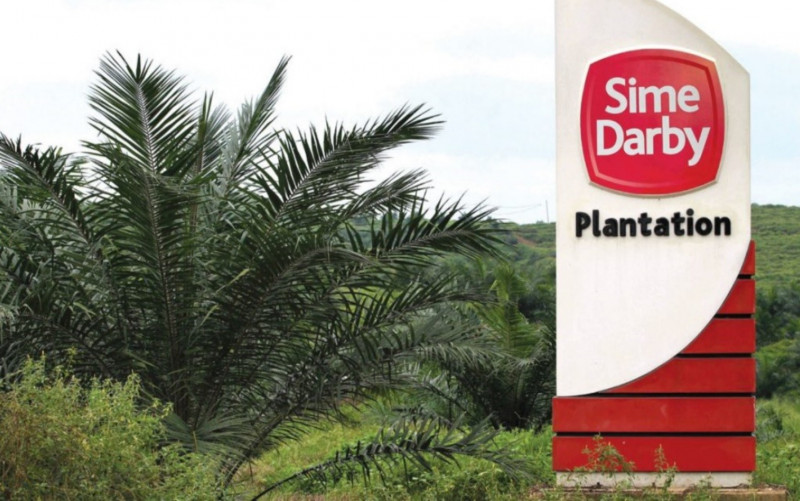
Sime Darby Plantation expects palm oil prices to remain elevated at least until the end of the year, helping compensate for its labour shortages. – Bernama pic, November 18, 2021

KUALA LUMPUR – Sime Darby Plantation Bhd’s net profit surged to RM610 million in the third quarter ended September 30, 2021, from RM190 million previously, mainly driven by the stronger upstream segment.

Revenue jumped to RM5.06 billion from RM3.18 billion in the same period last year, it said in a filing with Bursa Malaysia.

“Upstream operations reported a strong profit before interest and tax (PBIT) of RM913 million, more than triple the PBIT of RM273 million recorded in the previous year’s corresponding quarter, primarily due to higher average crude palm oil (CPO) and palm kernel prices realised as well as an improved oil extraction rate.

“The key drivers compensated for the 2% decline in the production of fresh fruit bunches during the current quarter,” the company said in a statement.

The group’s downstream segment, via Sime Darby Oils, faced a challenging quarter as its PBIT declined to RM7 million from RM71 million in the previous year, mainly attributed to the lower profits generated by its Asia Pacific operations.

“The Asia Pacific bulk operations incurred unrealised loss on commodity hedges for the current quarter due to a rising CPO price landscape but this was partially mitigated by improvements in overall margin and sales volume.

“Although the differentiated subsegment has seen a growth in sales volume, the decline in margin dragged down its reported profits,” it added.

The plantation group expects palm oil prices to remain elevated at least until the end of the year before a possible downward adjustment in the second quarter of next year when supplies are anticipated to improve. 

“The high prices will help compensate for the impact of labour shortages on the group’s Malaysian upstream production.

“The group expects demand to remain strong as more countries ease their Covid-19 restrictions, bringing back earlier suppressed demand.

“Barring any unforeseen circumstances, the group expects an overall strong financial year performance for 2021,” it said. – Bernama, November 18, 2021


Related News

Opinion / 1y

Beyond the pay gap – why women need to prioritise wealth, not just income

Business / 2y

China committed to increasing palm oil imports next year, says Fadillah

Malaysia / 2y

Anwar, Dutch PM Rutte meet in Putrajaya for bilateral talks

Malaysia / 2y

M’sia to rope in foreign scientists, experts to mend palm oil image: Fadillah

Business / 2y

Boost for M'sian palm oil from African buyers with RM182 mil in potential sales

Business / 2y

‘Industry players seeking windfall profit levy price review for Sabah, S’wak’

Spotlight

Malaysia

Former head of a ministry's corporate communications unit acquitted of bribery charge

Malaysia

Two sisters die trapped in Johor house fire as escape routes cut off by flames

Malaysia

NS election speculation intensifies as Aminuddin granted audience with state ruler

Malaysia

Teenager who drove recklessly, causing death remanded for further investigation

Malaysia

Police looking for trio involved in violent armed robbery in Penang (video)

Malaysia

Family of five killed as car crashes into water pipe in Serian

Malaysia

'I was once spat on by a pakcik' — Marina denies fear of contesting Malay-majority seats

Malaysia

Jewellery shop among six premises destroyed in fire (video)

You may be interested

Business

Oil surges as fears of Hormuz shutdown overshadow diplomatic uncertainty

Business

Ringgit eases against US dollar as strong American data and Gulf tensions boost greenback

Business

SpaceX targets historic US$75 billion IPO in record-breaking market debut plan

Business

Private capital set to power AI data centre boom as global tech capex forecast raised to US$5.3 trillion