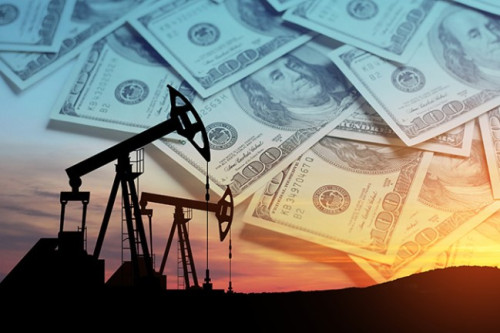
VIENNA – The Organization of the Petroleum Exporting Countries (Opec) oil producers' club and its allies will hold a virtual meeting on Monday and Tuesday to finalise an expected extension to production cuts as the coronavirus pandemic continues to weigh on global demand.
The meeting comes as the oil industry hopes to turn a page on a disastrous year which saw the cartel forced to adopt drastic cuts in response to the cratering of demand caused by the pandemic.
Member states want to avoid a repeat of the collapse in prices seen in April.
According to the deal reached in that month, the current cut of 7.7 million barrels per day (bpd) is meant to be eased to 5.8 million bpd as of January 2021, but most observers expect this to be extended by between three and six months.
Key players within the grouping have hinted in recent weeks that such a move may be on the cards despite positive news on the development of vaccines against the virus by several pharmaceutical companies.
AstraZeneca, Pfizer/BioNTech and Moderna have all shared encouraging trial results from their candidate vaccines in recent weeks, providing a lifeline for the oil demand.
However, while the effects of a vaccine will play out over the longer term, Opec and its allies will be focused on supporting prices in the first and possibly the second quarter of 2021.
While an extension of the cuts is the most likely scenario, there is always the possibility of discord arising among the 23 countries involved.
The memory of the debacle of a meeting in March this year is still fresh, when Saudi Arabia and key ally Russia failed to reach agreement and spent the next month engaged in a fratricidal price war.
In mid-November the United Arab Emirates displayed reluctance at the prospect of fully applying the cuts past the end of the year.
Then there is the sensitive topic of whether all members are currently sticking to the output quotas that have already been assigned to them.
Those exceeding their allotted output -- foremost among them Iraq and Nigeria -- regularly come in for a scolding from Prince Abdelaziz bin Salman, energy minister of Opec kingpin Saudi Arabia.
The cartel's main focus is on crude oil prices, which have returned to roughly their pre-pandemic levels of between 45 and 50 dollars per barrel for both the US benchmark, West Texas Intermediate (WTI), and Europe's Brent North Sea contracts.
But members also have to keep a keen eye on production figures outside the bloc as well as how much oil is currently being stored at any one time.
Output from the world's biggest producer, non-Opec member the US, has fallen from the historic highs at the beginning of the year to around 11 million bpd now.
The trend is unlikely to be reversed as victorious Democratic presidential candidate Joe Biden has committed to modest curbs on fracking.
Within its ranks, Opec will also have to pay attention to developments in the three members which have been granted exemptions from quotas – Libya, Iran and Venezuela.
Libya's production had been almost wiped out by civil conflict but spiked since October and now stands at over a million bpd, according to the country's National Oil Corporation (NOC).
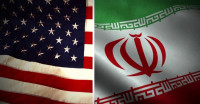
In the longer term, Iran's offer on the oil market may also increase if the incoming US administration pursues a policy of detente with Tehran and relaxes sanctions.
That would lead hundreds of thousands of barrels coming on to market, exerting a fresh downward pressure on prices.– AFP, November 28, 2020