
IT is easy to forget in this age of ‘market love’ that Saint Valentine’s Day was once called Saint Valentine’s Feast, and commemorated as a day of martyrdom and sacrifice.
From Gilgamesh to Pablo Neruda, from the Ramayana to Milan Kundera, love has served as the most arduous of themes. Difficult, complex, sacrificial, faithful, self destructive, sweet, treacherous, erotic, transcendental – all experiences that reflect “the great affliction.”
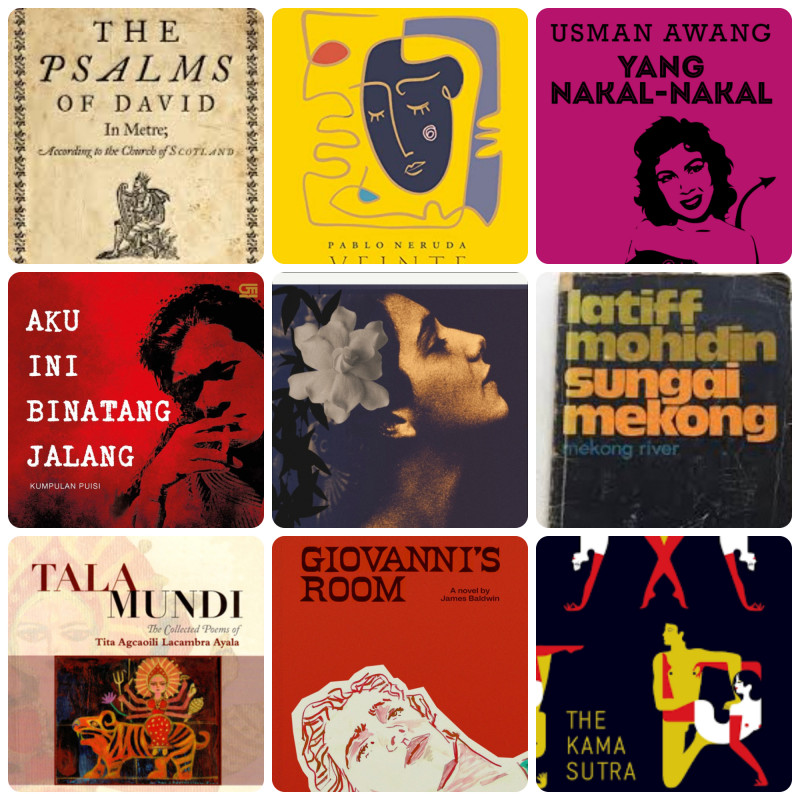
In the age of the countless ‘Dr Love’s offering platitudes about “happiness” and “companionship”, and casting love to its most tawdry and commonplace, an idiosyncratic choice of 14 books that attempt to locate the experience as still a primal experience.
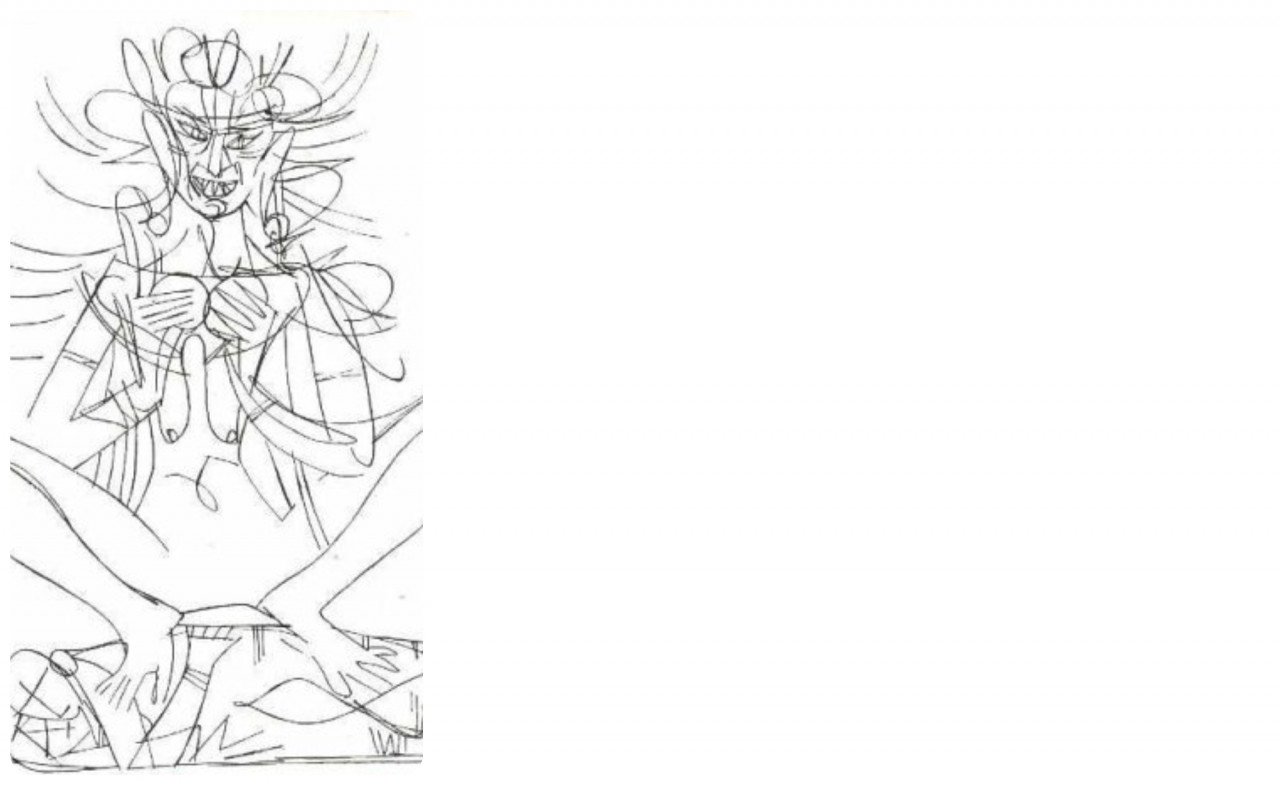
1. Ramprasad: Song of Kali – A Cycle of Images and Songs
Beautifully rendered by the literary scholar Gayatri Chakravorty Spivak and starkly illustrated by the painter Nirode Mazumdar, the poems of the 18th century Bengali Shakta poet Ramprasad introduced a tradition of poetry, inspired by the many folk traditions of his native Bengal, that challenged the strict hierarchical structures of classical Hinduism.
Dedicated to the Goddess Kali, the poems express a devotional love rooted in rapture and the ecstatic. The common refrain of “going mad,” ubiquitous in the poems of Ramprasad, encapsulate the Tantric path to a direct union with God, as envisioned in Kali, the Great Mother.
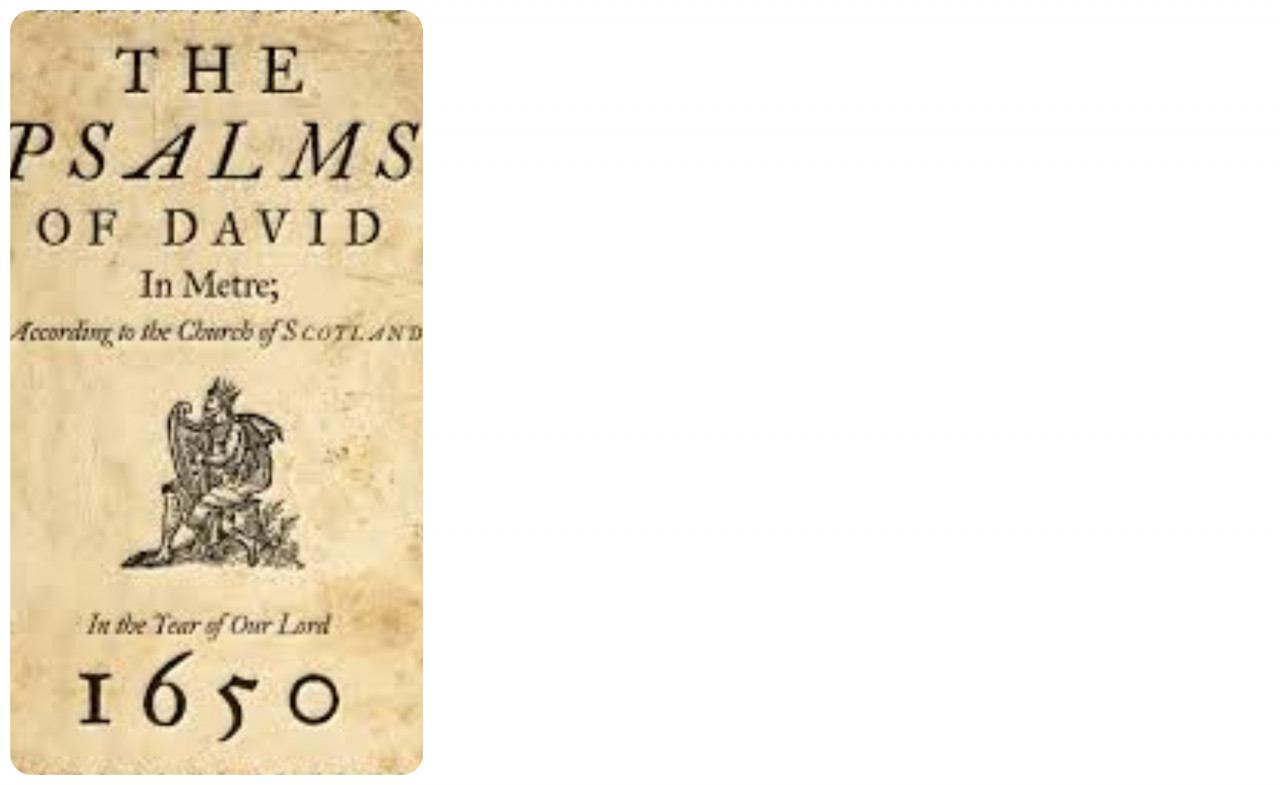
2. The Psalms of David
The Psalms, among the principal books of the Christian Old Testament, is attributed to the Hebrew king, David. Admired for its sensuality and lyricism, and consisting largely of a cycle of hymns and lamentations, the Psalms are rooted in the very embodiment of the devotional experience, captured in lines that invoke the flesh and blood of direct experience with the divine – “My mouth is filled with your praise, All the day with your lauding.”
.jpg)
3. When God is a Customer: Telugu Courtesan Songs by Ksetrayya and Others
How is it that this woman's breasts glimmer so clearly through her saree? Can't you guess, my friends? What are they but rays from the crescents left by the nails of her lover pressing her in his passion, rays now luminous as the moonlight of a summer night?
Poems written by men in the voice of a woman, these courtesan songs capture the tradition of the Devadasi, a South Indian tradition in which women, often artists, are married to the Gods.
Rooted in a tradition of erotic worship of the Gods, the poems, translated by three eminent scholars of South Indian languages – A.K Ramanunjan, Velcheru Narayana Rao and David Shulman – are direct in their brazenness, eroticism and trickery.
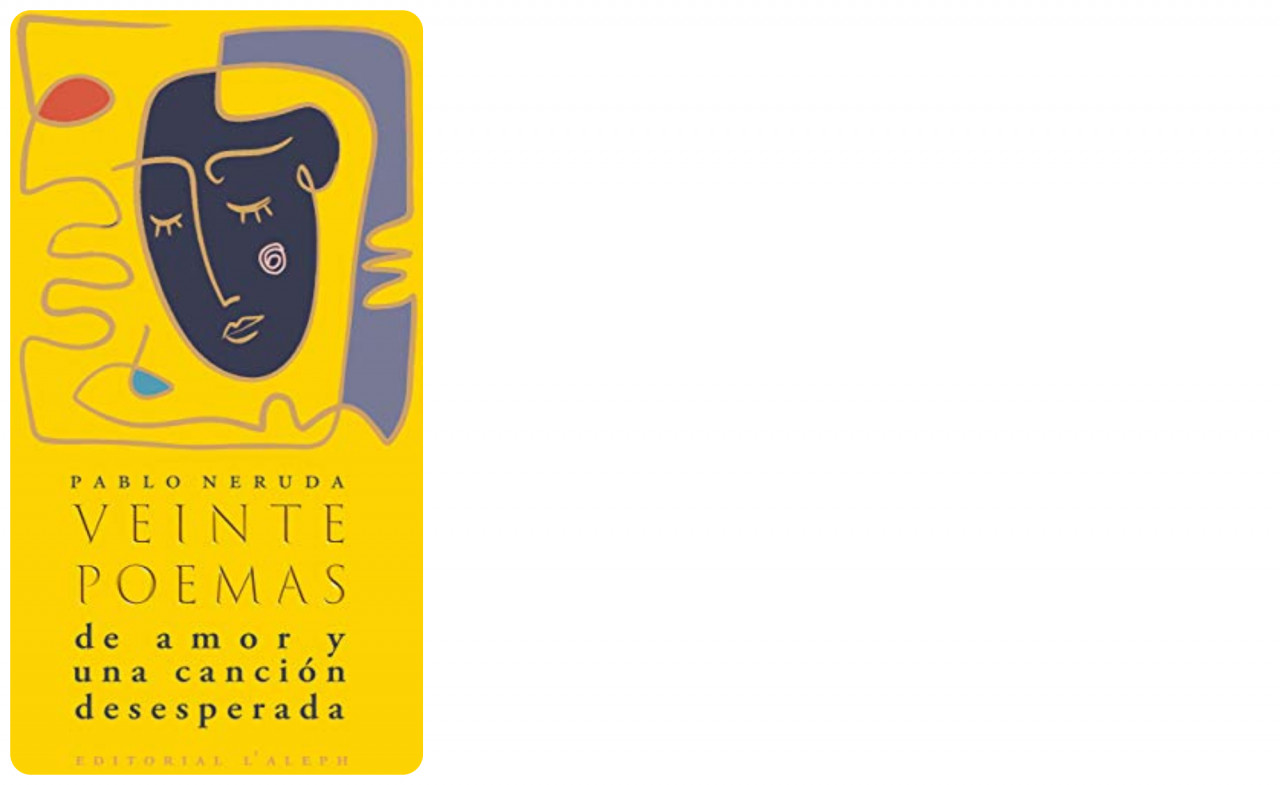
4. Twenty Love Songs and a Poem of Despair
Written when he was just 19, Pablo Neruda’s 'Twenty Love Songs and a Poem of Desire' remains a primer in the literature of love. Translated masterfully in this edition by the American poet W.S Merwin.
Beginning with the fateful lines, “Tonight I write the saddest lines…”, it first inspired controversy for its plain eroticism, then a faithful following, marking a significant shift in the imagery and diction of the poetry of the Spanish language.
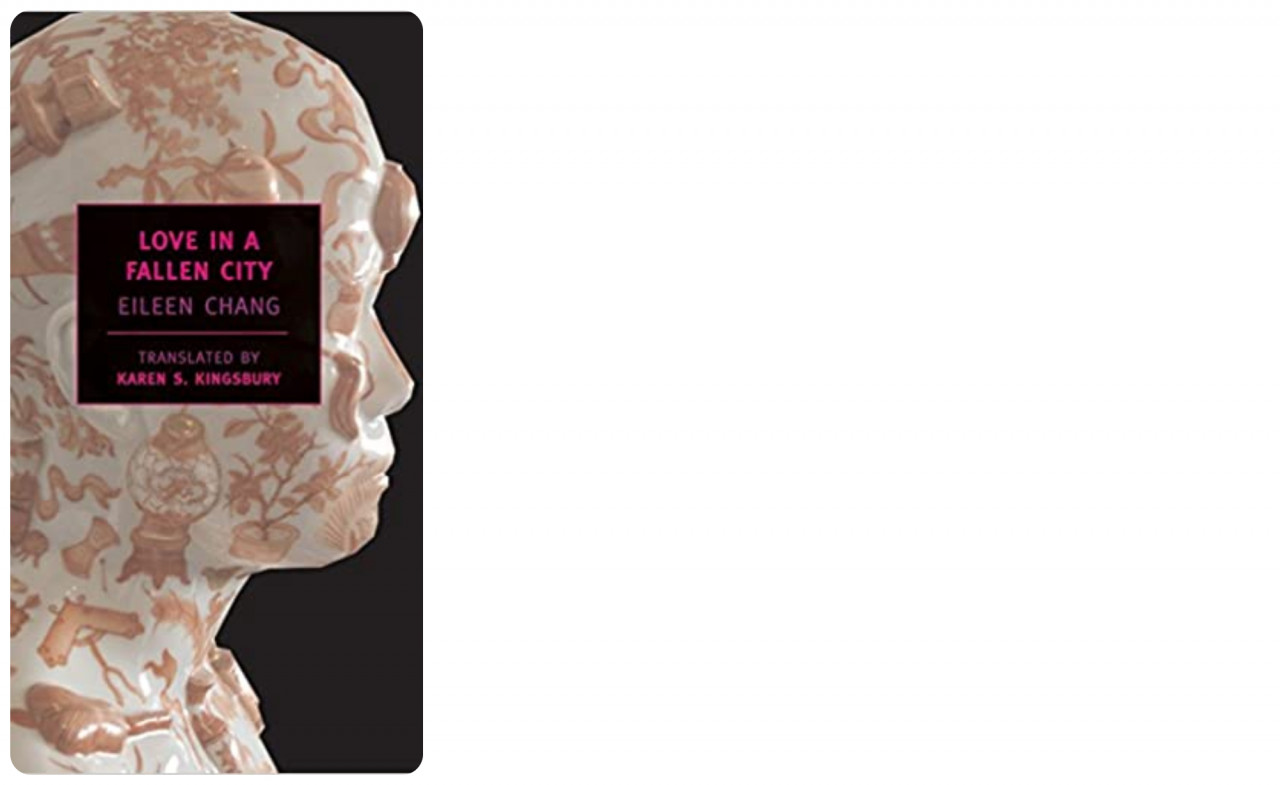
5. Eileen Chang: Love in a Fallen City
“Thinking is a painful business,” Eileen Chang writes in ‘Love in a Fallen City’. Set in Shanghai and Hong Kong, on the eve of the Japanese invasion of the island, this love story is set within the ominous weight of a war and the destruction that is waiting to happen.
Centering on a divorcee, Bai Liusu, the novel is a powerful work that explores devotion and uncertainty, social status and hesitation, all within a language of deep lyricism, gesture and silence.
.jpg)
6. Marguerite Duras: The Malady of Death
A man and a woman agree to spend a night in a hotel by the sea. They are simply called “You” and “She”. “She” is not a prostitute, but sympathises with “He” who needs to discover if he is capable of experiencing love.
From the author of ‘The Lover' and 'Hiroshima Mon Amour’, Marguerite Duras’ stark, chilling and existential novella remains a characteristic work of love and modern alienation.

7. Usman Awang: Cerita-cerita Nakal
A collection of delightful, playful early stories by Malaysia’s poet laureate Usman Awang, the stories capture an age characterized by nationalist stirrings, the advent of modernity in the Malay world, and a Malay language rooted in the genius of lyricism, metaphor and playfulness.
Love is everywhere in this collection of stories – in the newsroom, in the cabaret, in the kampong: and the words are always clever, sardonic and seductive.
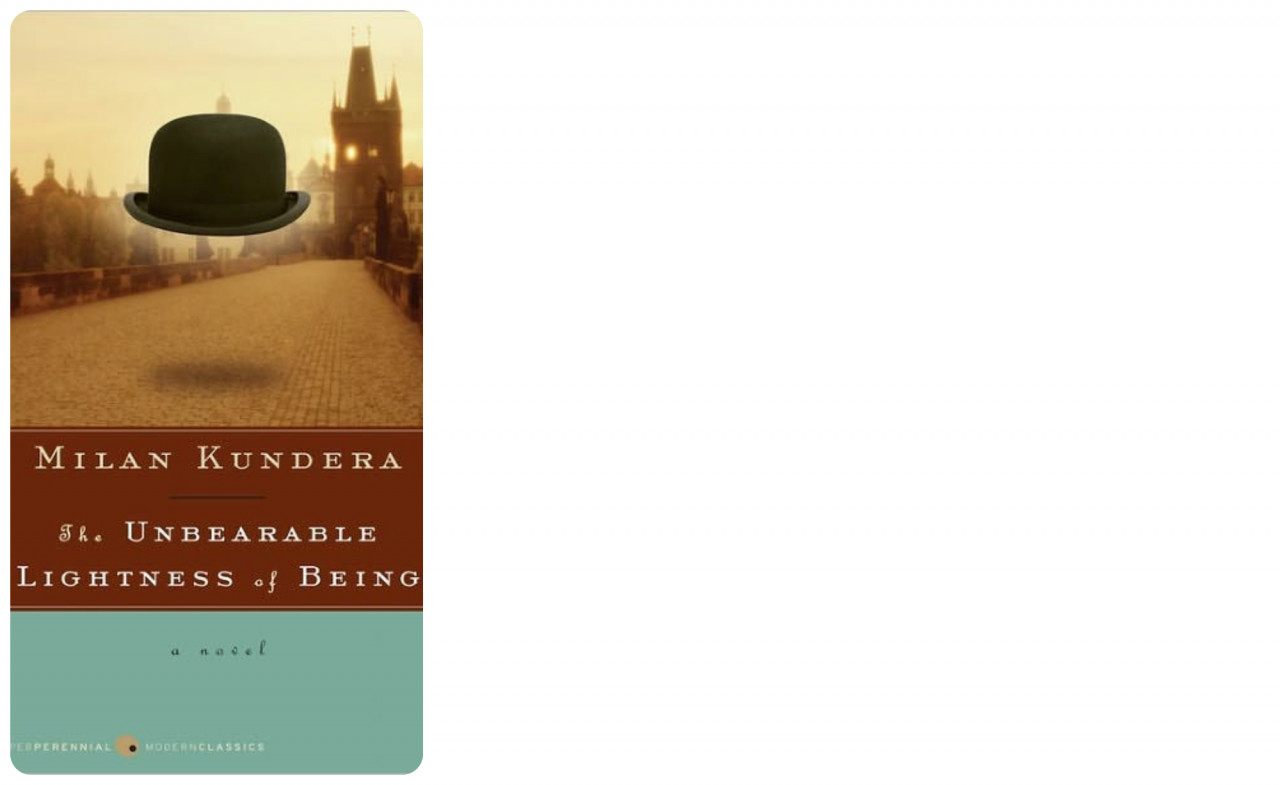
8. Milan Kundera: The Unbearable Lightness of Being
Set in the legendary Prague Spring, and on the eve of the invasion of Czechoslovakia by the Soviet army, Milan Kundera’s novel explores the riven loyalties of the Dr, Tomas, Tereza, his wife, and Sabina, his lover and closest friend.
A powerful exploration of the complexities of love, sex and loyalties, set amidst the backdrop of political change and suppression, it offers the brilliant and encapsulating lines – “Love is the longing for the half of ourselves we have lost.”

9. Chairil Anwar: Aku Ini Binatang Jalang
The greatest rebel-reformer in the history of Indonesian, and by extension, Malay poetry, ‘Aku Ini Binatang Jalang’ (‘I Am A Wild Beast’) by an esoteric poet, known for his primal wildness, that shocked Indonesian poetry from its courtly, classical and aristocratic settings into a statement of the most radical immediacy.
In this collection, assembled upon the poet’s death by the eminent Indonesian literary critic, H.B Jassin, radical love is everywhere – of prostitutes, of a woman, Ida Nasution, of revolution, of an image of a crucified Christ.

10. Garbriel Garcia Marquez: Love in the Time of Cholera
A novel that appeared to conclude a cycle of deep sentiment that began with ‘One Hundred Years of Solitude’, Marquez’s novel, written in 1985, if rooted in the traditional love story of early love, separation, forced marriages, lovers united, yet conveyed within the hue of dream sequences, memory ellipses, such powerful tropical symbols as the mango and the parrot, all within the powerful hand and imaginative landscape of a writer at the crest of that tradition known as magical realism.
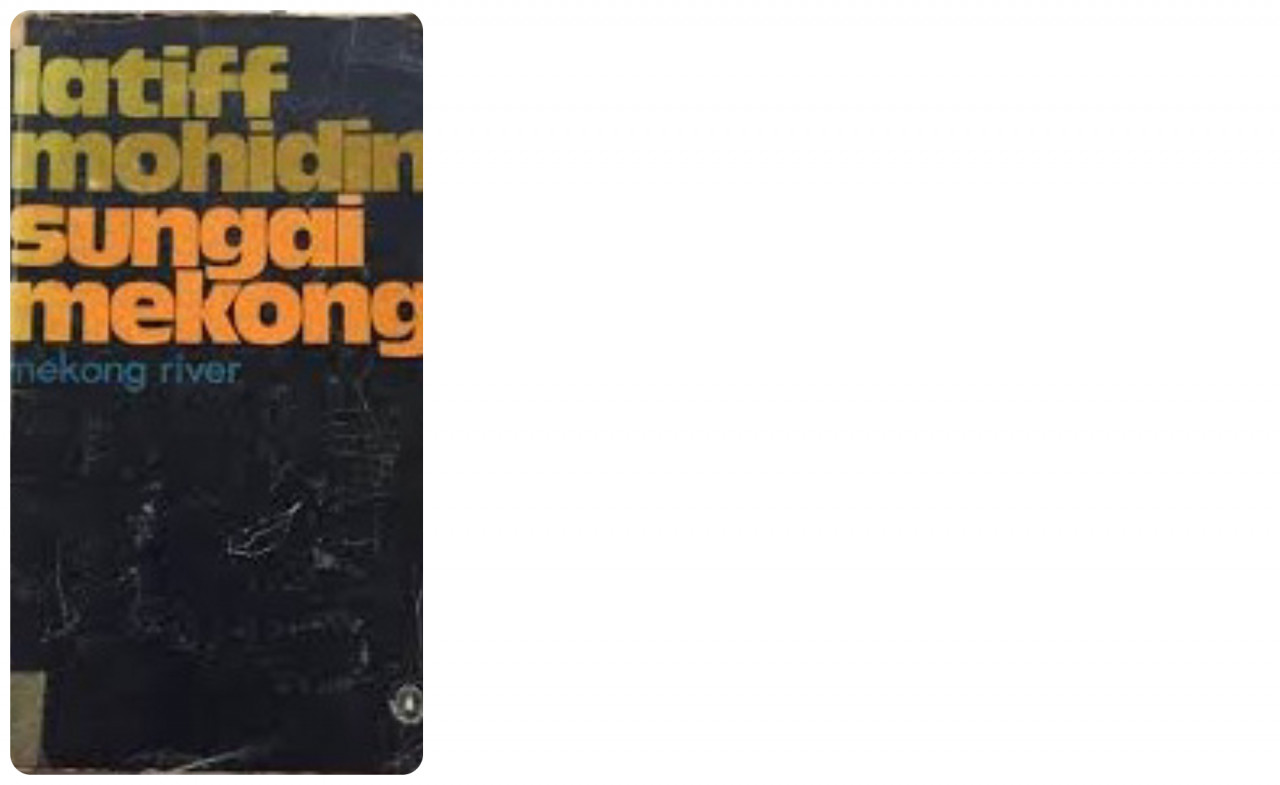
11. Latiff Mohidin: Sungai Mekong
A young poet-painter studies art in Berlin, Germany. True to the idea of wandering, a concept central to his community of the Minagkabau, he travels through Europe and into the Mediterranean.
Upon his return to Southeast Asia, he travels the region at a time beset by the Cold War and the wars in Indo-China. He paints a series of paintings inspired by wild grass, the sea, stupas and writes a series of poems that catalyse modern Malay literature.
Somewhere in Vientiane, Latiff Mohidin writes the searing lines: “bertahun-tahun/kubawa namamu/Maya/dari desa ke desa/kubawa ia bak luka baru/di keningku/Maya/dari kota ke kota.” (for years I carry your name/Maya/from village to village/I carry it like a new wound/on my brow/Maya/from city to city. Primal, immediate, stark, a poetry of fierce love, in Malay, is born.
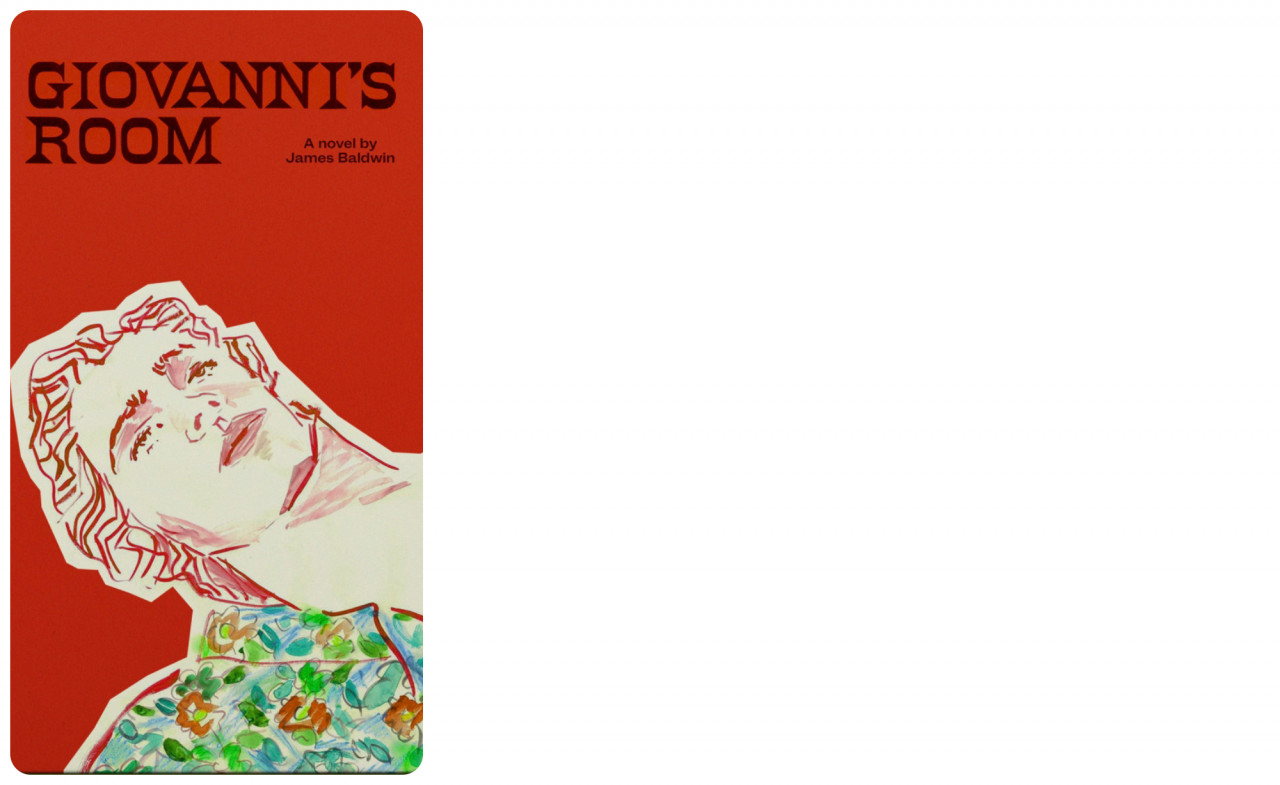
12. James Baldwin: Giovanni’s Room
"The night which is leading me to the most terrible morning of my life" encapsulated James Baldwin’s powerful novel.
Set in Paris, it tells of the protagonist David who, spurned by the woman he is due marry, begins a relationship with an Italian bartender he encounters in a Paris gay bar.
Told in James’s sinewy prose, it explores love, desire and body within the contours of the shadowy and marginal.
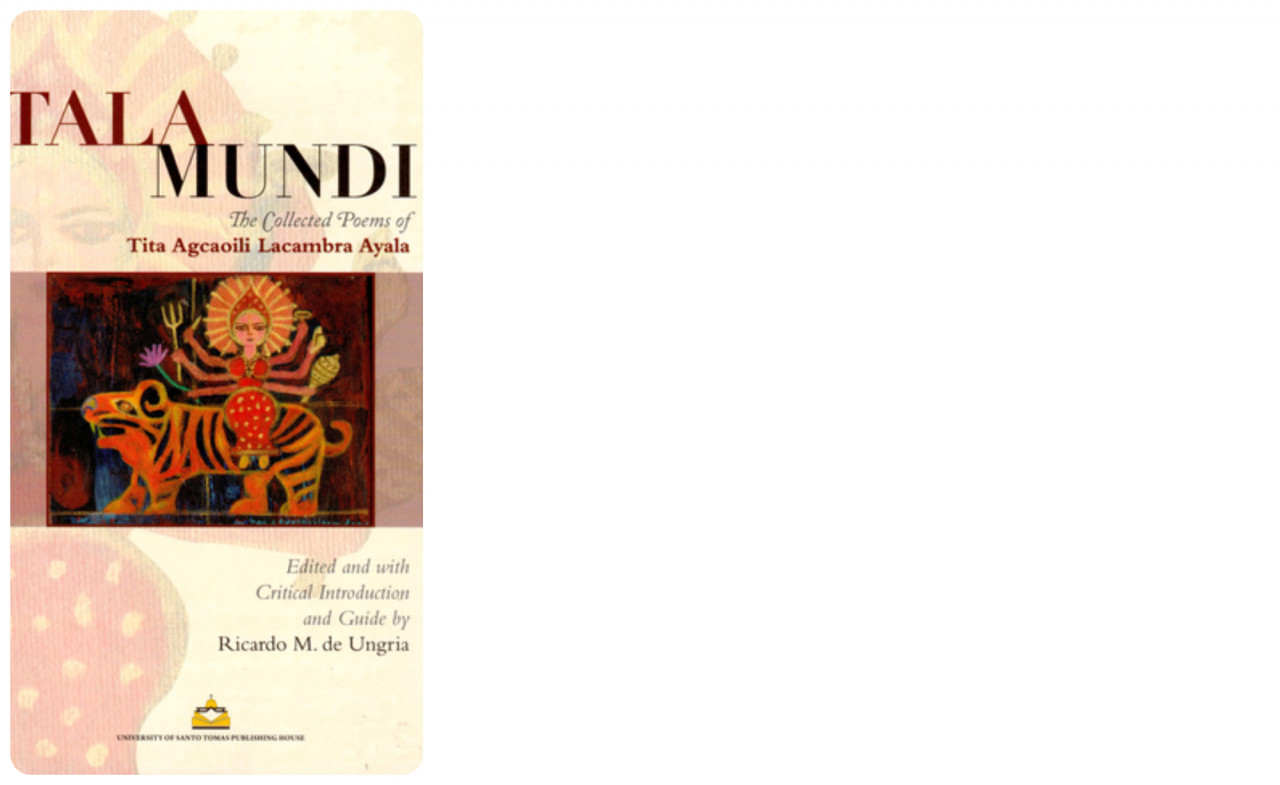
13. Tita Lacambra Ayala: Tala Mundi
A profession upon discovering the poet Tita Lacambra Ayala: Manila, city of lovely intensity; I love you for discoveries like this. The poor poetry that smothers us today must surely have something to do with the fact that the poor poets of today could never look like this, could never live enough to look like this, could never (even if they smoked) hold a cigarette like you.
I love you Tita Lacambra Ayala, you who fell on me today like a beautiful tropical tempest, with lines such as this, “I feel your hands on my knees, as if it were true/ Why are your shoes so muddy, where have you been?”

14. Vatsyayana: The Kama Sutra
To discover that all paths to love begin here: “A man may love a woman eternally, but he will never succeed in winning the woman without first conquering the art of talking.” – The Vibes, February 14, 2021