_(1).jpeg)
WALKING along Kuala Lumpur’s downtown area on Petaling Street, the 1-km stretch that used to have a bustling and lively market hosting more than 500 stalls, the buzz is notably gone now.
At first glance, people would usually notice clothing boutiques, food stalls, and accessories stores. However, a humble textile shop has been operating on this renowned street for 65 years. Located near the entrance of Petaling Street is an old textile supply shop that has retained its nostalgic visage from decades ago.
When you stand in front of the shop, you will notice bolts of fabric in every corner of the shop, piled from floor to ceiling, each with a different design and texture. It looks like an ancient library of textiles. Right above the shop hangs a washed-out signboard with 'Ban Wah' written on it.
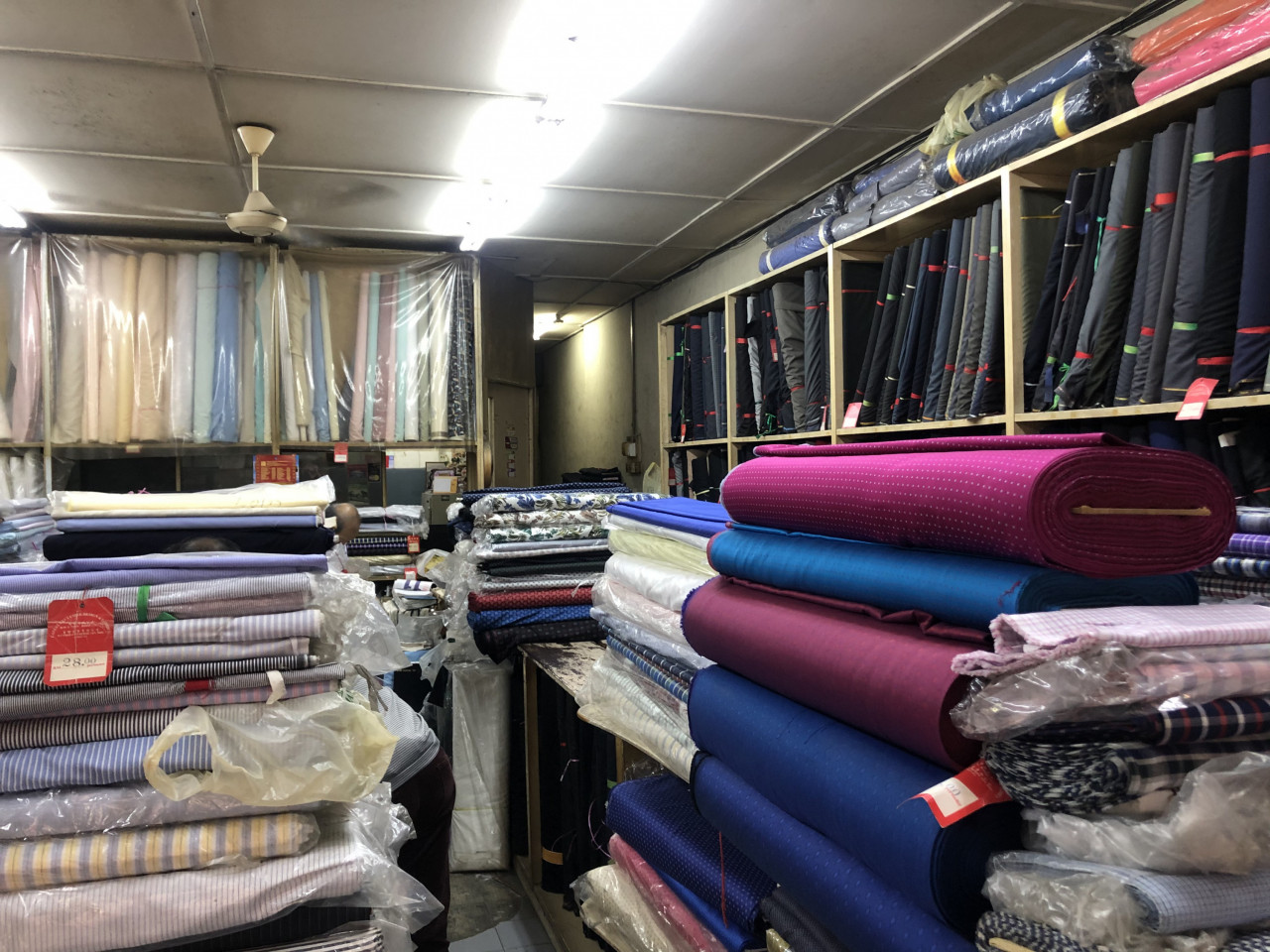
With more stalls opening in front of the shop and newer retailers with bigger and more vibrant sign boards opening across Petaling Street Market, you would probably miss this old shop buried within.
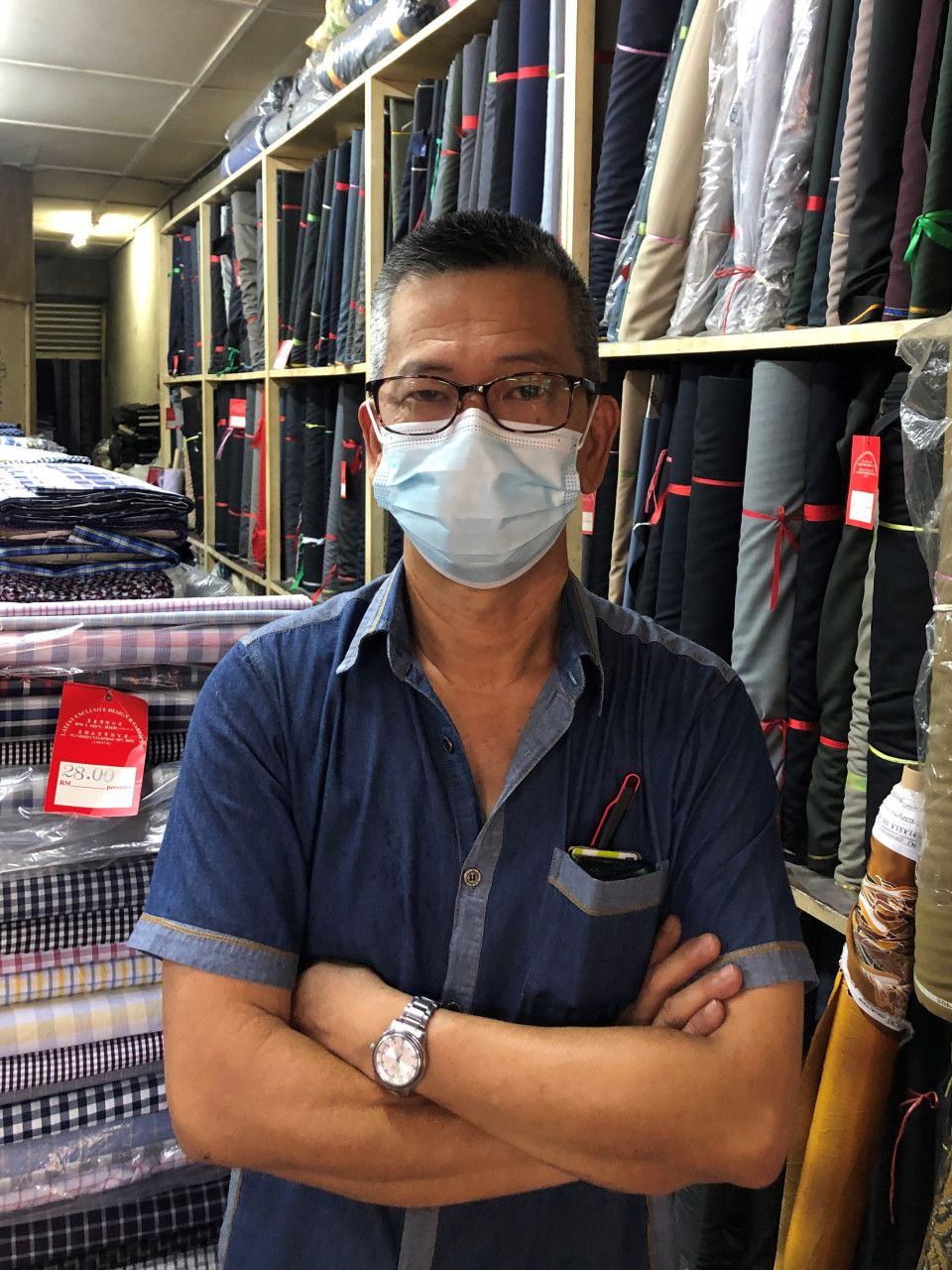
The current shop owner, Steven Lee, 61, started handling the business in 1980. During World War 2, his late father, Lee Kee Hwa could hardly survive with little earnings. During that time, the textile industry was booming as custom-made garments were becoming popular. Lee saw an opportunity in the industry and started Ban Wah Textile. Since then, Steven has been exposed to the textile industry.
As the owner of Ban Wah Textile, Steven is very much a hands-on owner. “I’ve personally visited China, Taiwan, Vietnam, and other Asian countries to source for the right materials,” Steven said. Years of sourcing and collecting has led Ban Wah to have a library of thousands of different products from all over Asia.
Although choosing the right material might be overwhelming, Steven would still try his best to seek quality textiles for his customers. Steven aims to provide quality goods at affordable prices. Even with 41 years of running the shop, Steven still constantly tries to keep himself updated with the latest trends. He ensures the textures, designs, and styling of the products are in line what customers today want.
The textile’s declining industry
“We once distributed our products in bulk to some fabric companies and suppliers, but most of them are closed now,” Steven said. He mentions that it is rather hard to survive in this particular industry in Malaysia.
“Last time, people liked to make their own clothes, that's why the textile industry was a good business, but now, there are more factories and people usually don’t tailor their own clothes anymore,” said Nelson Lee, Steven’s son. Today, most people would rather choose to buy ready-made clothes from clothing retailers and high-end fashion stores rather than custom-made clothes from tailors.
With the pandemic now weighing in, the demand for tailored clothes is lower than it has already been in recent times. Tailors were once their main customers, and the decrease in business for tailors has severely affected the textile shop.
Additional weight from the pandemic
Like any other business, there were ups and downs in Steven’s family business. The Covid-19 pandemic has only added extra pressure to the struggling business. The pandemic has left most businesses in Petaling Street nearly deserted. Steven’s shop was forced to close for more than half a year.
“Covid-19 pandemic was the one that affected me and my business the most from all these years in the industry,” he said. “It is worse than the financial crisis and even the recession.”
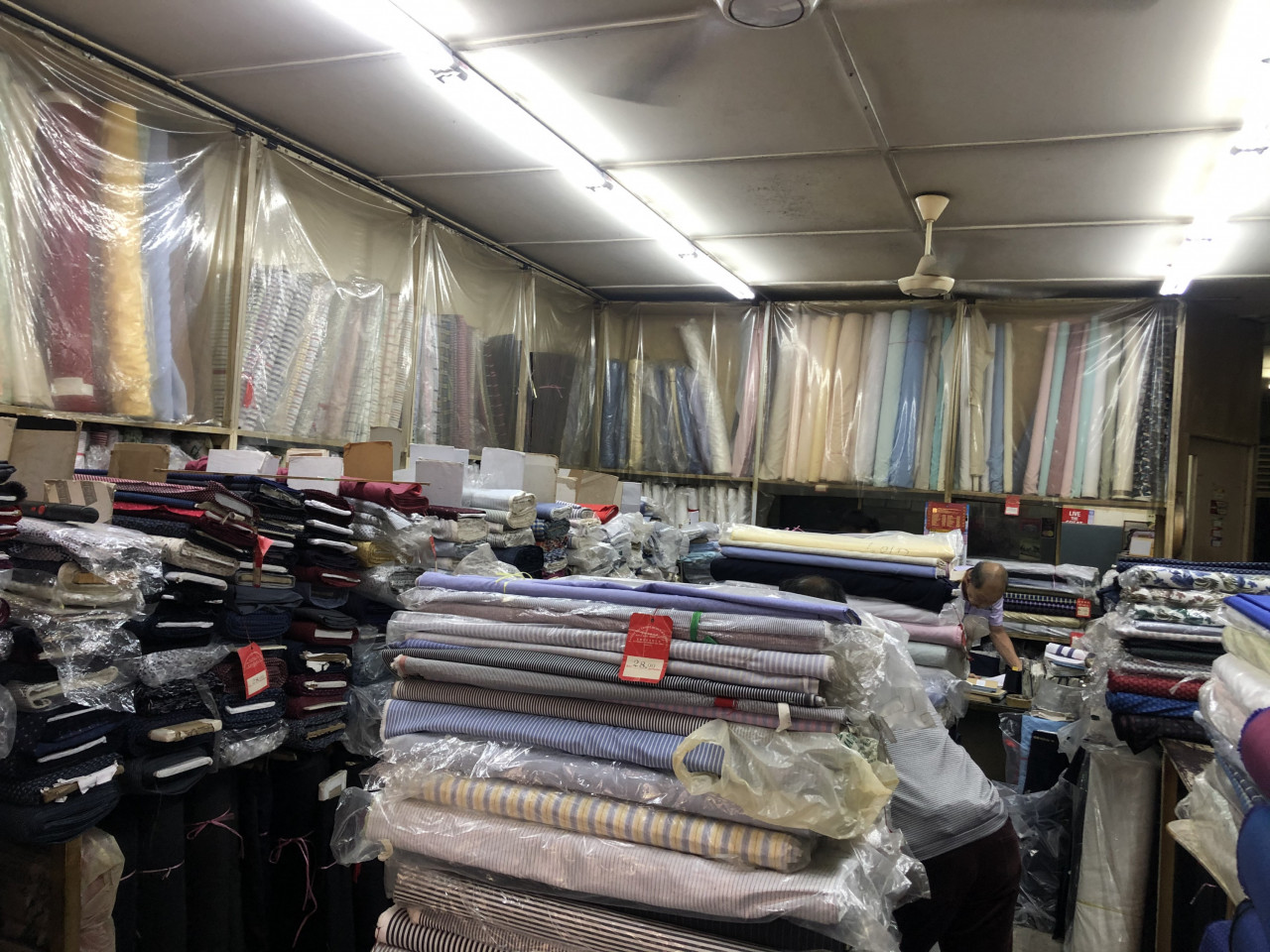
Among other businesses, the textile business was not considered an essential service, therefore, Steven’s shop was not allowed to operate during the full-scale MCO. The textile shop lost a lot of customers aside from tailors. Social distancing in effect had put a stop to locals and tourists from visiting the shop. Orders from retailers and other businesses that he supplied were also reduced because they were not getting any business either.
During the full-scale MCO, many businesses had laid off their employees to cut costs and stay afloat. But for Ban Wah Textile, the employees were able to keep their jobs even though the business was not making any profits. Steven said that he refused to lay off the employees because they had worked for him for many years.
Although this pandemic has left his company with no income, he had expenses to bear, such as utilities, rental expenses, and wages every month. “We have to use our own pocket money to pay the staff salaries, to protect them, as most of them had worked with us for many years,” Steven explained. He also mentioned that it is a must for small businesses to prepare for any incident.
Many SMEs have adopted new technology and leveraged social media to increase exposure during MCO. While most F&B businesses and sundries can easily turn to online delivery service platforms, some SMEs did not find that option to be an advantage, and Ban Wah Textile was one of them.
“Our textiles are produced with different materials and customers will not be able to feel the texture of it,” explained Steven. Unlike other products, the texture of textiles cannot be easily judged by sight. It needs to be felt on the skin to determine the quality of the product. “The customers would always ask for samples,” said Steven. He explained that it would be difficult to deliver each sample to every customer online as he has thousands of products.
The next generation
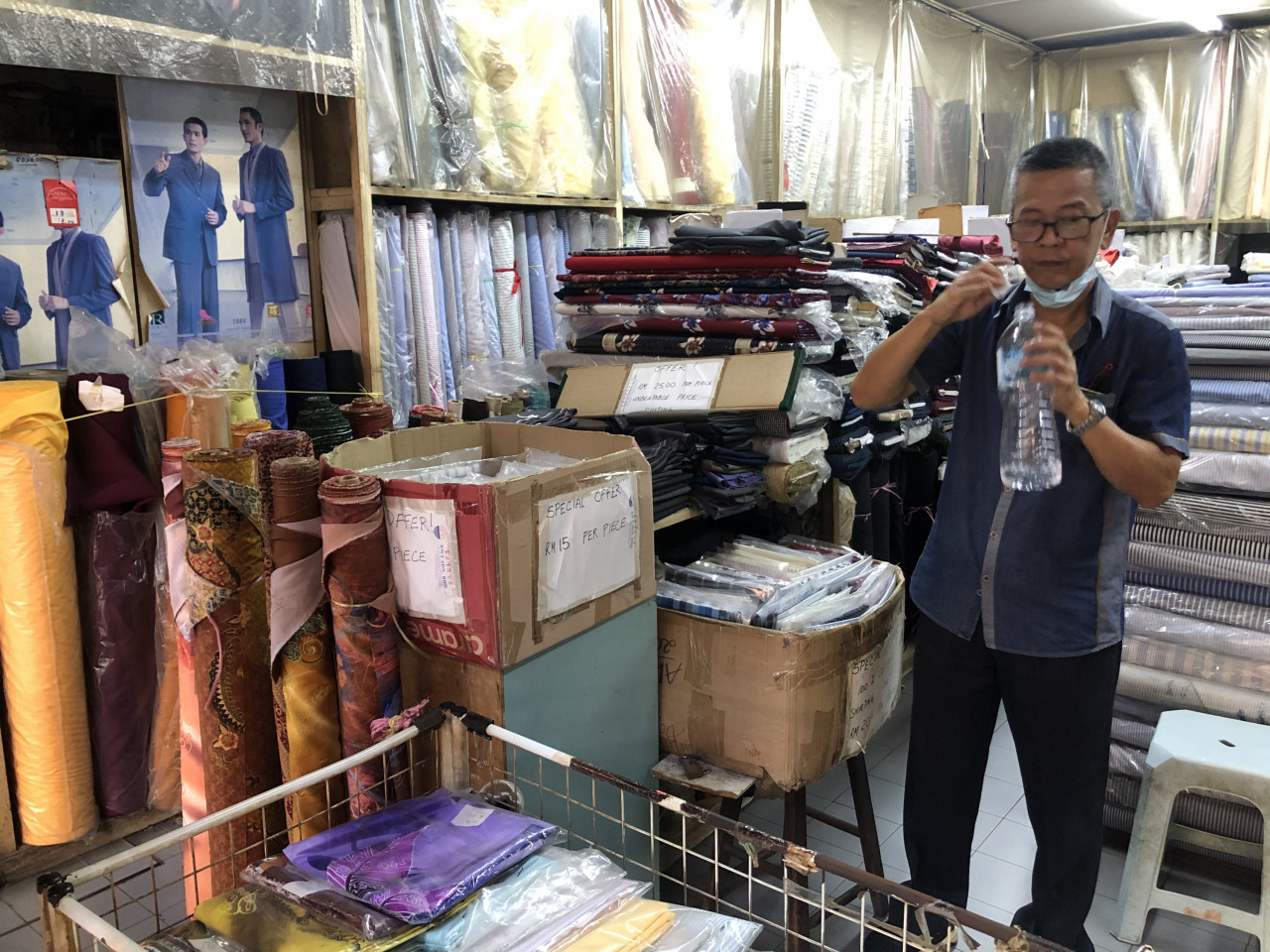
Nelson Lee, 27, has been helping around in the shop ever since he finished secondary school. Nelson learned alongside Steven the same way his father learned alongside his grandfather before him. They both observed how their fathers worked and were guided by their senior staff too. Nelson said he would carry on with the business if it survives these tough times and hopes to expand the business.
“Most of the employees are older,” said Nelson. “As eyesight deteriorates with age, I would help my grandfather to differentiate the colours of the textiles when he could not,” he added. Nelson went on to opine that there are now fewer people of the younger generation who would willingly take on the business or work in this industry, so he had to help out.
Community spirit
This down-to-earth businessman has supported multiple small charity organisations that step foot in his shop. Some members from non-profit organisations, university students, or high school students would reach out to him for donations. Steven started engaging in charitable activities since he started working. He was taught to bless and help others as he himself was blessed with a lot of good fortune.
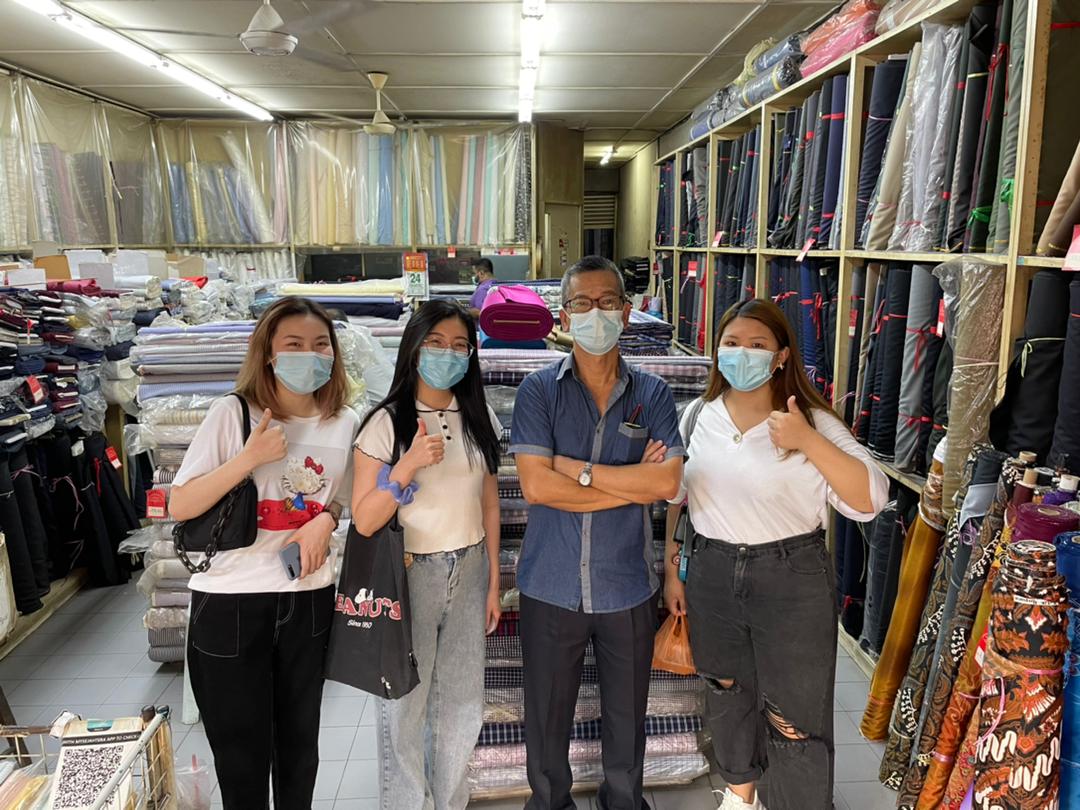
The rise of e-commerce and digitalisation has led most people to choose to buy fabrics online or buy ready-made clothes from clothing retailers. Nelson describes his father as a patient businessman who is very accommodating when it comes to attending to his customer’s needs. Steven would always treat his customers with a sincere attitude and have cheerful conversations with anyone who visits the shop. Hence, many regulars would still trade with Ban Wah Textile and even walk-in customers end up revisiting the shop time and again.
Despite the ups and downs during these hard times, Steven stays humble and true to himself. “Hard work and honesty are the keys to achieving one’s goals,” said Steven, when he was asked to give a piece of advice to any individual planning to set foot in this industry.
“It may not be easy from the beginning, but hard work will pay off one day,” added Steven. – The Vibes, June 26, 2021
Tai Xuan and Joanna Soo are both Mass Communication students at Taylor’s University