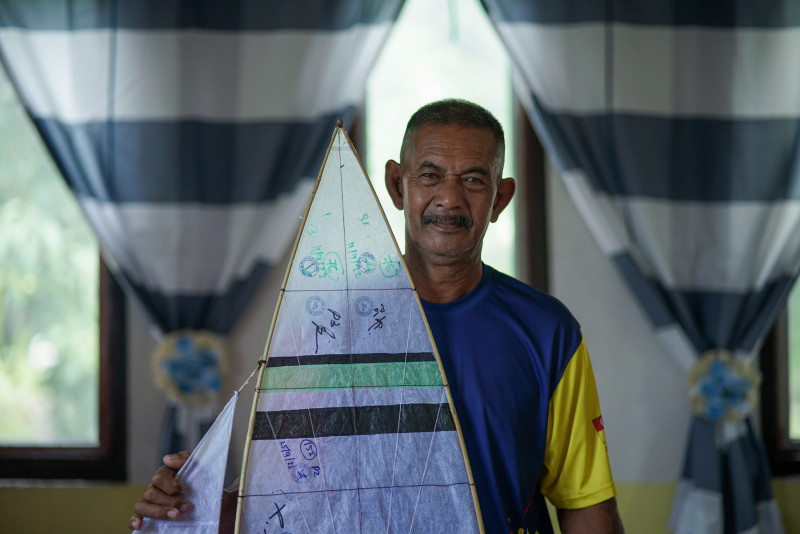
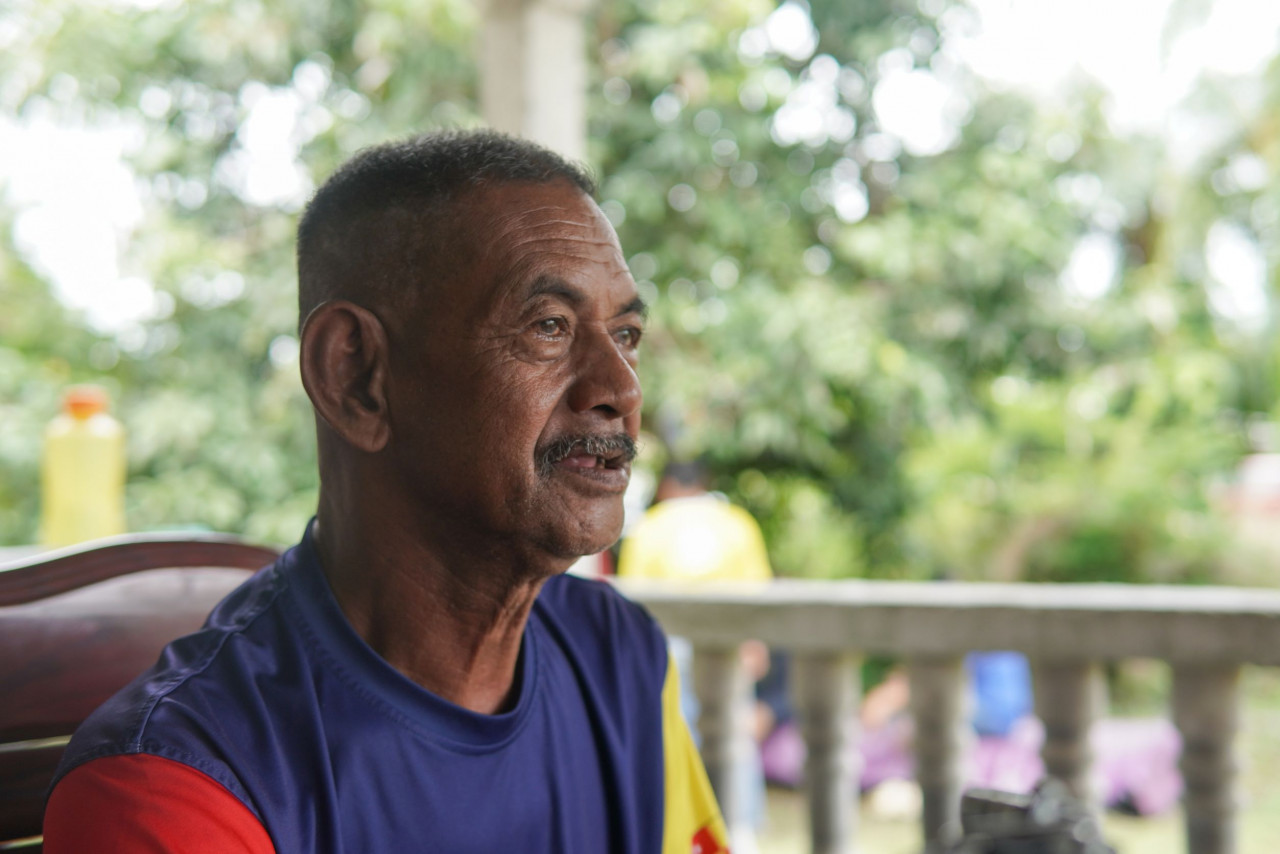
ISMAIL Yahya, also known as Wak Kancil, is an arts and culture activist. He started making Wau Kapal in 1985 as a hobby, which stirred his deep interest and passion to continue to elevate the art of traditional kitemaking.
Pak Ismail is committed to pass this beautiful tradition to the younger generations.
Wau is a traditional Malay kite. There are different kinds of wau in different states such 'Wau Lang' in Perlis, 'Wau Bulan' and 'Wau Puyuh' in Kelantan, 'Wau Seri Bulan' in Perak, 'Wau Kapal' in Selangor, 'Wau Merah' in Johor, and 'Wau Kang Kang' in Kedah.
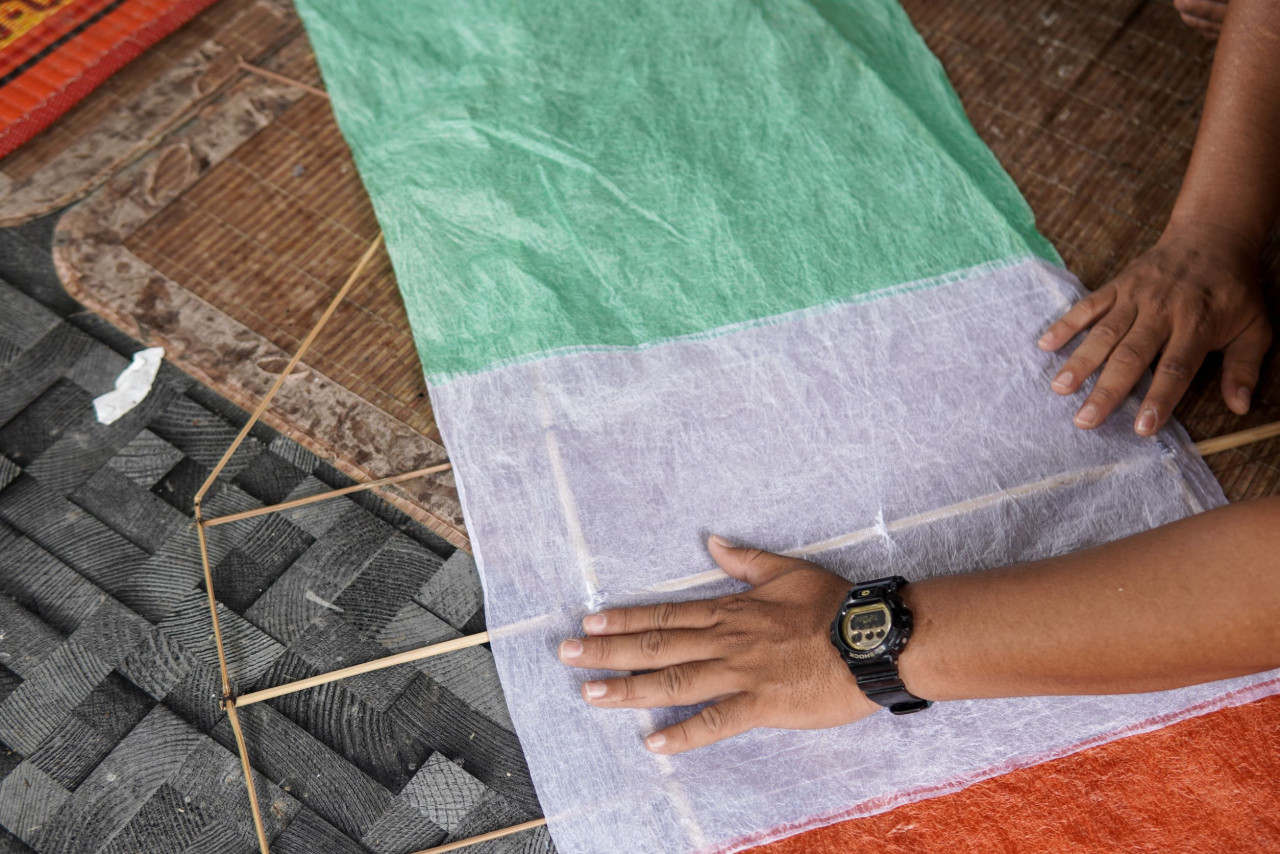
Wau Kapal is a traditional game and pastime in the state of Selangor. It was popularised in the 1940s, especially by the people living near coastal areas, such as farmers and fishermen. The design resembles the shape of the moon and has a ship-shaped pattern.
"This design was inspired by the shape of a ship sailing in the sea and has officially become the symbol of the state of Selangor. This tradition is not limited to Bukit Changgang alone, there are also practitioners from Klang, and it is called Wau Kapal as long as it is made in this state," said Pak Ismail.
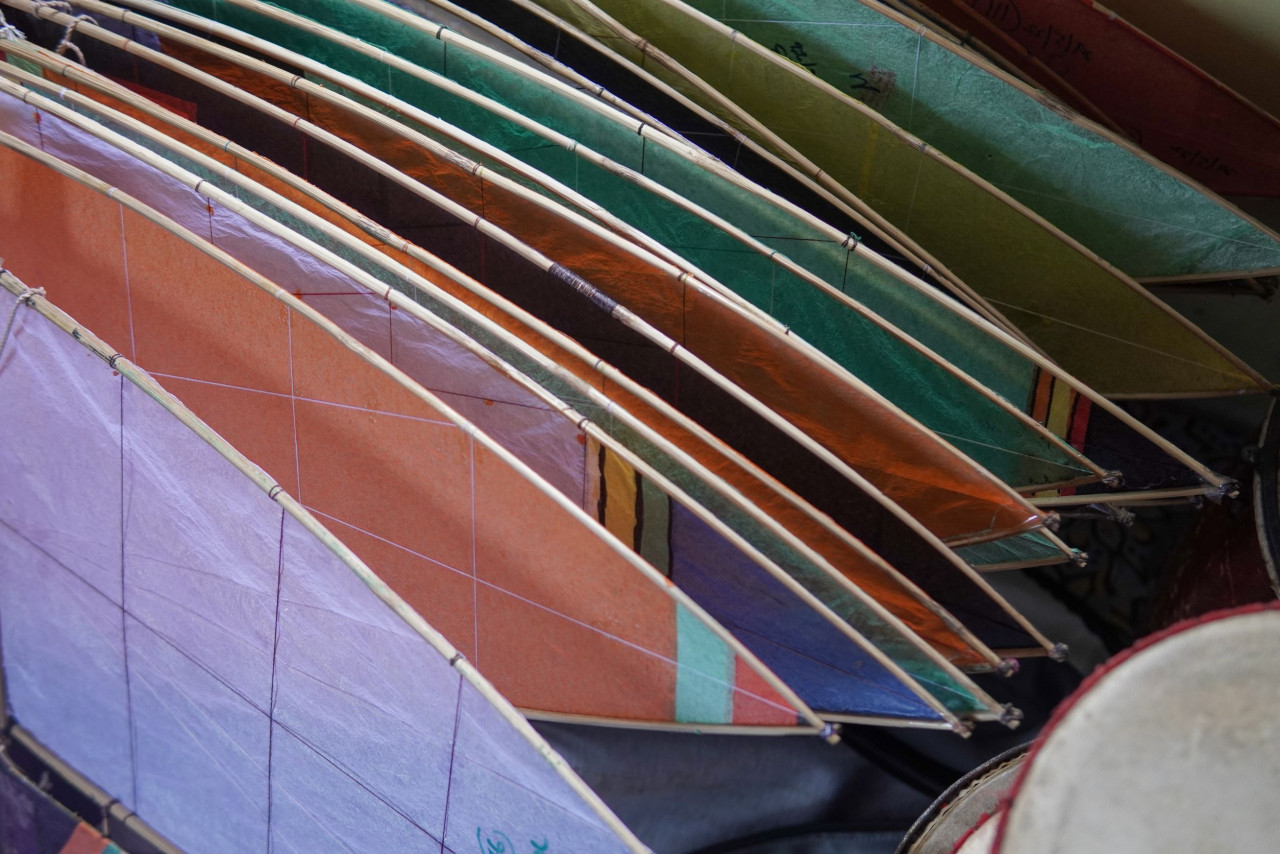
The Wau Kapal game is one of the important heritages of the state of Selangor; symbolising the state's Malay identity. Nowadays it is recognised as the official traditional kite of Selangor.
It takes about three to four days to complete a Wau Kapal, from gathering the materials and preparation of the design. It is made up of bamboo for the frame, handmade paper for the kite, glue and string.
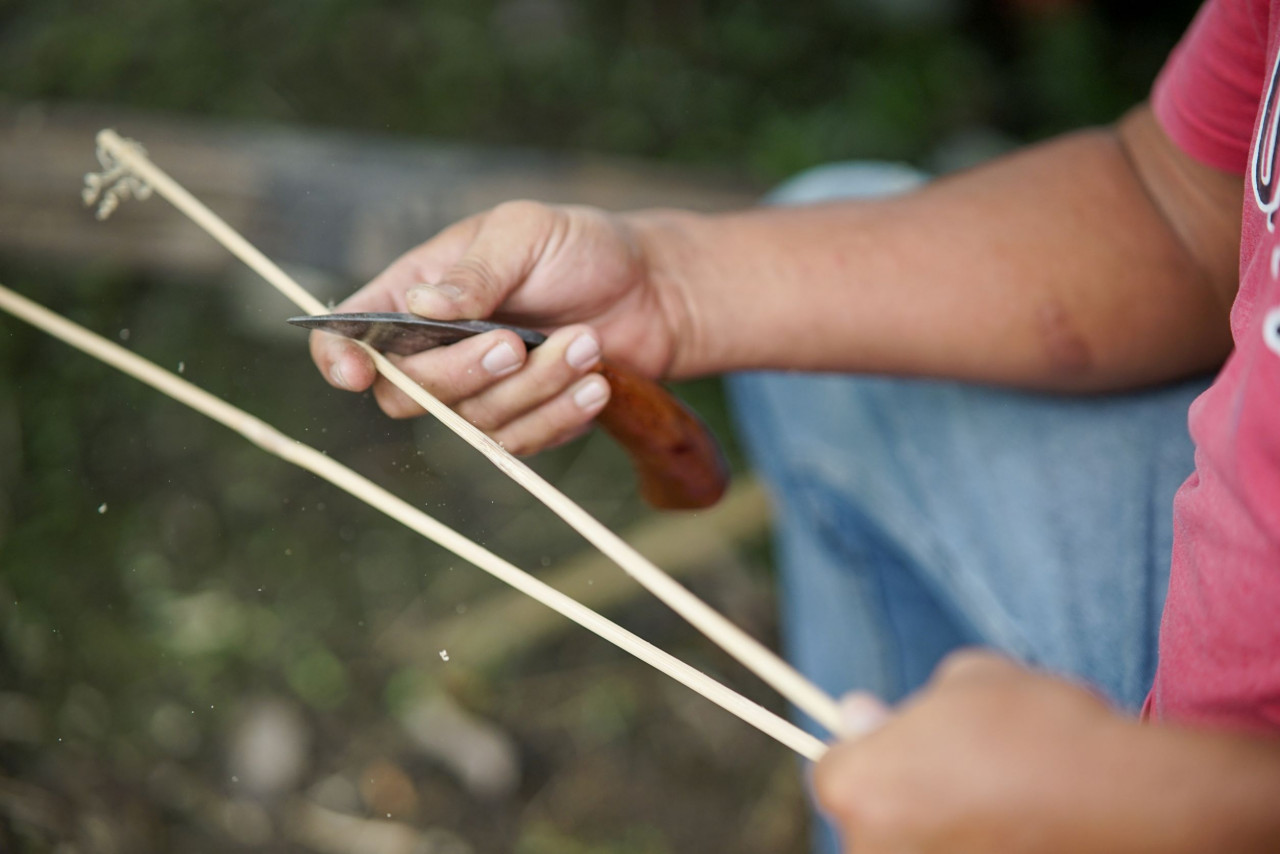
"Since the year 2000, kitemaking has developed rapidly. Now more people can make kites than before, where only me and my father were good at making them,” added Pak Ismail.
Ismail Yahya is the recipient of the 2nd phase Adiguru fund in the art of wau. Adiguru Cendana is conducted in collaboration with Pusaka. – The Vibes, February 19, 2023
Adiguru Cendana is a community arts programme that aims to sustain the development and ensure the continuity of Malaysian traditional art forms, implemented by Cendana (Cultural Economy Development Agency) in collaboration with cultural organisation Pusaka. A total of 34 masters of traditional arts throughout the country have received Adiguru Cendana grants.