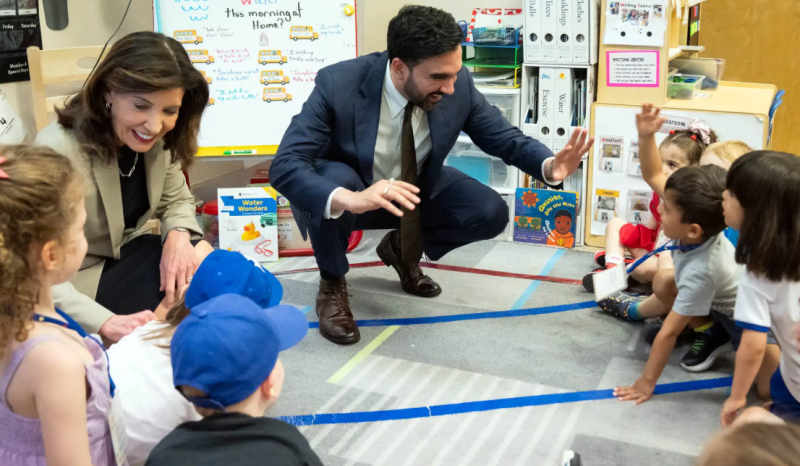
NEW YORK City has imposed a one-year moratorium on the use of artificial intelligence (AI) by nearly 600,000 public school pupils up to Year Eight, in a move that could set the tone for how schools across the United States approach the technology.
Mayor Zohran Mamdani said the restrictions were aimed at protecting children’s education and mental health, rejecting the argument that early exposure to AI was inevitable or necessary.
“The technology industry wants us to believe that AI-based early education is not only inevitable, but necessary. We do not see it that way.
“Children need teachers and human relationships to learn and grow.
“They need to develop skills with their peers, build relationships with educators and grapple with difficult problems on their own,” he said in a statement yesterday.
Under the moratorium, pupils up to Year Eight will be barred from using AI tools throughout the 2026-2027 school year.
Only secondary school pupils, generally aged 14 and above, will be allowed to use AI under a limited pilot programme, while also receiving AI literacy lessons twice a year.
AI companion chatbots designed specifically to provide emotional support will be prohibited at all levels of schooling.
Teachers, however, will remain permitted to use AI to help prepare lesson plans and carry out administrative tasks.
The policy is expected to attract national attention because New York City operates the largest public school system in the United States.
A task force comprising pupils, teachers, parents, lawmakers and industry experts will assess the impact of the moratorium during the 2026-2027 school year before publishing its findings.
New York Governor Kathy Hochul said authorities had a responsibility to ensure the rapid evolution of technology supported children and their learning rather than hindered their development.
The new restrictions follow an initial framework issued in March that allowed pupils to use AI for research, exploration and creative projects.
However, the framework drew criticism from parents and teachers who considered the guidelines too permissive.
New York Schools Chancellor Kamar Samuels subsequently acknowledged that the administration had “missed the mark” in communicating the policy, saying his office would review the feedback received and incorporate it into future regulations. - September 3, 2026