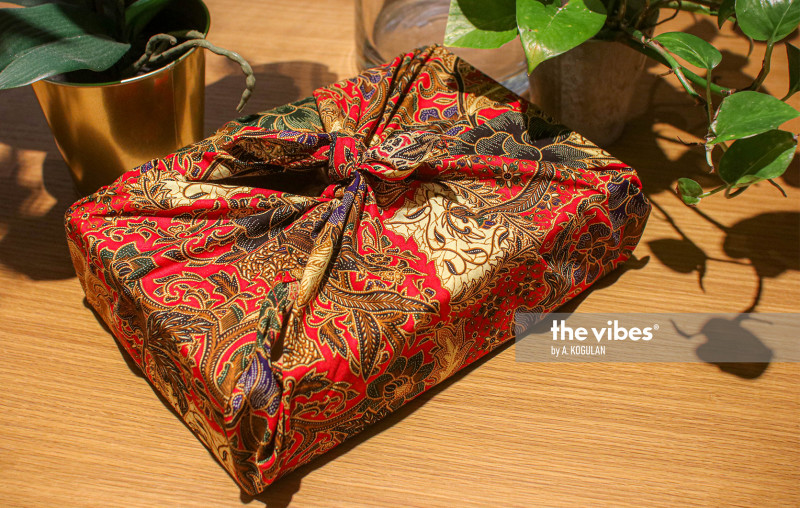
THE resurgence of batik in Malaysia, spurred by its compulsory wear among civil servants since 2023, has brought fresh attention to this storied textile tradition.
Yet, despite growing visibility, the true cultural and artistic identity of Malaysian batik remains under threat due to inconsistent public support and a lingering preference for imported alternatives.
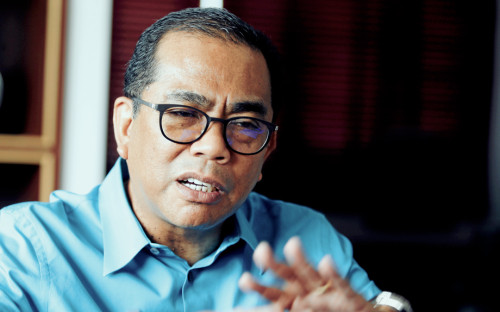
"Batik isn’t just a pattern. It’s an art form—wearable artwork,” Bernama quoted Shabri Saad, a fashion lecturer at Universiti Kolej Tunku Abdul Rahman saying in an exclusive report. “I appreciate all types of batik, whether from Malaysia, Indonesia, India, China or Cambodia. But as Malaysians, we must uphold the art that originates from our own land.”
With more than two decades in the batik world, Shabri fears that without stronger public commitment, Malaysian batik risks fading into museum relics. He attributed the current preference for foreign-made batik to a lack of awareness about the craft’s heritage, techniques, and aesthetic depth.
From Kelantan to Terengganu, Kedah to Melaka, each region’s batik offers a distinct and valuable identity that warrants preservation, he said. But this preservation, he added, cannot rely solely on government-led initiatives such as those by the Malaysian Handicraft Development Corporation (Kraftangan Malaysia).
“We need cross-sector collaboration—NGOs, artists, the private sector, and the public must all play a role,” Shabri said.
He also stressed the importance of evolving batik design to appeal to younger generations, moving away from densely patterned, brightly coloured motifs in favour of simpler, contemporary styles.
“Young people want batik that’s stylish, not something that looks like it’s for uncles,” he remarked. “A good batik design makes the wearer look fresh and fashionable, without compromising cultural essence.”
He suggested that Malaysian batik could gain international traction by adopting global colour palettes—such as muted hues, earthy tones, and pastels—while retaining traditional craftsmanship.
On pricing, Shabri argued that printed batik should not be dismissed outright. While less intricate than hand-drawn batik, printed versions offer a more accessible entry point for the public to connect with local batik aesthetics.
“If we reject everything that's cheap, eventually even authentic batik will lose demand. With better understanding, appreciation for real batik will naturally grow,” he added.
Among the younger generation of wearers, batik is increasingly seen as both heritage and high fashion.
“Each motif tells a story about nature, life, and community identity,” said Debby Lucas, 37, a civil servant. “In the past, batik was only worn to formal events, but now it’s a modern fashion item suitable for the office or as a statement piece on the international stage.”
Faizah Ibrahim, 28, shared a similar sentiment, saying she chooses batik pieces not only for their uniqueness, but also for their comfort and sustainability. She noted that affordable options, such as those from the Malaysian Prisons Department gallery, make it easier for more Malaysians to support local batik.
“I like batik made with dyeing techniques because it’s comfortable, unique, and special—the patterns are one-of-a-kind,” Faizah said. “I also prefer tailoring my clothes over fast fashion because it looks neater, lasts longer, and is eco-friendly.”
Despite its revived profile, Malaysian batik’s journey from civil service attire to global fashion staple remains a work in progress—one that depends not only on design evolution, but also on a deeper societal embrace of its identity and value. - June 20, 2025