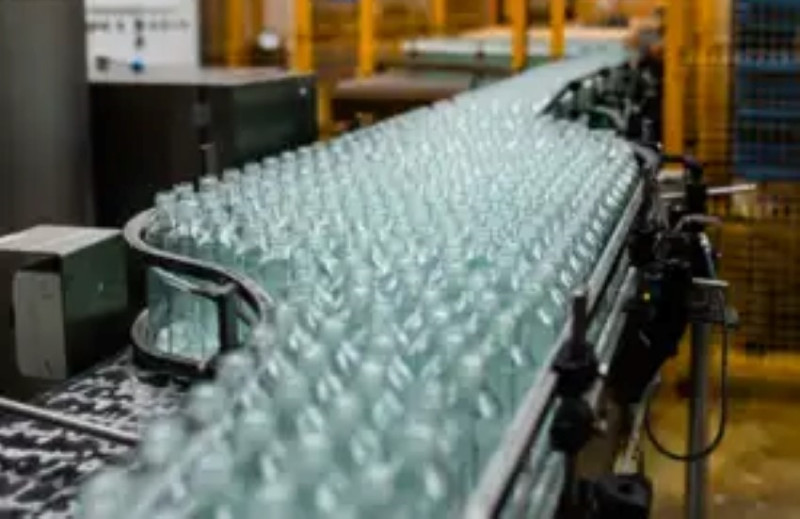
DRINKS sold in glass bottles contain considerably more microplastics than those in plastic bottles or cans, according to a new study by France’s food safety agency, ANSES, published on 20 June.
AFP, citing the study, reported that the research, carried out on beverages including water, soda, lemonade, beer and wine, found that glass bottles averaged around 100 microplastic particles per litre—up to 50 times more than in their plastic or metal counterparts.
Dr Guillaume Duflos, research director at ANSES, said the study aimed to "investigate the quantity of microplastics in different types of drinks sold in France and examine the impact different containers can have."
The researchers were surprised by the results, having expected plastic bottles to shed more particles.
“We expected the opposite result,” said PhD student Iseline Chaib, who led the research. “We then noticed that in the glass, the particles emerging from the samples were the same shape, colour and polymer composition – so, therefore, the same plastic – as the paint on the outside of the caps that seal the glass bottles.”
According to ANSES, microscopic scratches likely caused by friction between the caps during storage led to the release of plastic particles.
This contamination, it added, could be reduced through a straightforward cleaning method. Caps that were blown with air and rinsed with water and alcohol showed a 60 per cent reduction in microplastic release.
While water, both still and sparkling, showed lower contamination across all packaging types — from 4.5 particles per litre in glass to 1.6 in plastic — soft drinks, lemonade, and beer fared worse, averaging 30, 40, and 60 particles per litre respectively. Wine, however, showed relatively few microplastics, even in glass bottles, a result which Dr Duflos said “remains to be explained”.
There is still no definitive evidence that microplastics pose a direct health risk, but ANSES noted that the absence of a reference level for toxicity makes it difficult to determine the implications of the findings. - June 21, 2025