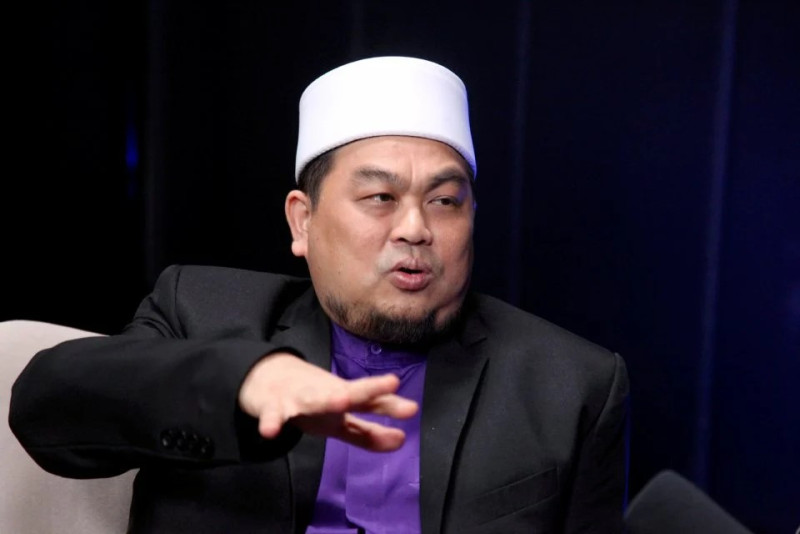
PENANG Mufti Professor Datuk Dr Mohd Sukki Othman emphasised today that maintaining cordial relations between former spouses after divorce is permissible in Islam, provided it is guided by proper conduct, respects dignity, and prioritises the welfare of children.
According to the Mufti, amicable relations after a divorce are allowed as long as the purpose is clear, such as managing child custody, financial support, education, or settling outstanding family matters.
“This relationship falls within the concept of ‘amar makruf nahi mungkar’, which entails promoting good and preventing harm to the children and family.
“The relationship must have boundaries. If it exceeds official needs—for example, frequent casual meetings, intimate joking, or private one-on-one encounters without reason—Islamic law forbids it.
Former spouses are no longer ‘mahram’, and unrestrained interaction can lead to temptation and slander,” he stressed.
The term mahram is usually translated as “a person whom one is permanently forbidden to marry under Islamic law”
He also cited a Hadith of the Prophet Muhammad (peace be upon him) prohibiting a man and woman from being alone together if they are not mahram.
Dr Mohd Sukki underlined that maintaining these boundaries is crucial to avoid sin, protect dignity, and prevent children from confusion or negative influence.
“If both parties still have children, communication should be focused on matters concerning the children. Meetings may be held in public or in the presence of family members. Affectionate behaviour, physical contact, or private one-on-one encounters must be avoided.
“For couples without children, contact should be even more limited, restricted only to specific official matters. Any relationship that exceeds professional or necessary boundaries can lead to slander and contradict Shariah principles,” he said.
The Mufti emphasised that these Islamic regulations aim to safeguard the dignity of both individuals, prevent sinful behaviour, protect children from confusion, and ensure that post-divorce relations remain ethical.
“Divorce is a reality in family life and it ends the marital bond. However, it does not mean that all forms of interaction must cease, especially when there are shared responsibilities such as child care.
“In conclusion, Islam permits respectful and professional relationships between former spouses, particularly in matters involving children or official affairs. Dignity and honour can be preserved by observing these boundaries, fulfilling Shariah obligations, and ensuring a better life after divorce,” he added. - January 1, 2026