THEY are determined to move the sartorial needle in their capsule collections for Chinese New Year with all three already putting the final touches to their orders in time for the celebrations.
The pandemic has meant that the designers, all stalwarts in the Malaysian fashion scene, have had to pivot quickly. Last year saw a flurry of invention from Tino Soon, Celest Thoi and Khoon Hooi, with everything from masks to bags, loungewear to household items explored for their respective labels. Yet, all three will tell you that this adaptive approach has always informed their designs. While their New Year collections may be anchored in the Chinese cultural identity, they refuse to be pegged by it and are constantly finding new ways to refresh the template.
“I dislike the word ‘appropriation’,” says Soon. “There should be a lot of freedom for designers to explore and do whatever they want.” For him, real diversity comes in embracing different cultures and elements knowledgeably and thoughtfully. “Fashion should be remixed in a new way and some of us are already doing that, whether it’s sari fabrics on modern designs or Oriental touches in a baju kurung.”
Khoon Hooi agrees. “[Mixing different cultures and elements] shouldn’t be seen as offensive but as a way of celebrating culture – other races can also share your culture with respect and appreciation,” he says. “Design is a melting pot of different styles, cultures and ideas. By all means, continue to innovate and breathe new life into old traditions!”
“I think Malaysian women are pretty in tune with their own cultures,” says Thoi who feels other design aspects also factor greatly including sustainability. “It’s always cool to give [traditional wear] a twist… incorporate new techniques or fabrics (eco ones, especially) with taste and respect, of course.”
That said, the designers are also encouraging their customers to take the qipao past Chinese New Year into their everyday wardrobes, just as how the baju kurung is worn regularly. They point to a few misconceptions about the traditional dress. “Maybe it’s the myth that one needs to have the perfect figure to wear the cheongsam,” says Khoon Hooi.
“People always think about Maggie Cheung in 'In The Mood For Love',” Tino weighs in. “Or old pictures of the 50s and 60s with the cinched waists and strong shoulders.”
There could also be a historical reason why the qipao is relegated to special occasions. While historically, the qipao was worn daily in Shanghai and first worn by female students in 1912 in its original long and loose form, wealthy women soon adopted the qipao. The trend eventually made its way to South East Asia before it went mainstream. “Many qipao were made with expensive and luxurious silks and brocade,” explains Thoi. “A classic qipao is form-fitted so it has to be treated with care when wearing too.”
For her, comfort is a simple yet key aspect in encouraging women to embrace the qipao in their daily wardrobe. “Change the form-fitting silhouette to an A-line one,” she suggests.
“I have two A-line styles this year, made in floral cotton material so that it’s comfy, cool and easy to care for. What’s even better is that my clients can feast without having to consider sucking in their tummies after!”
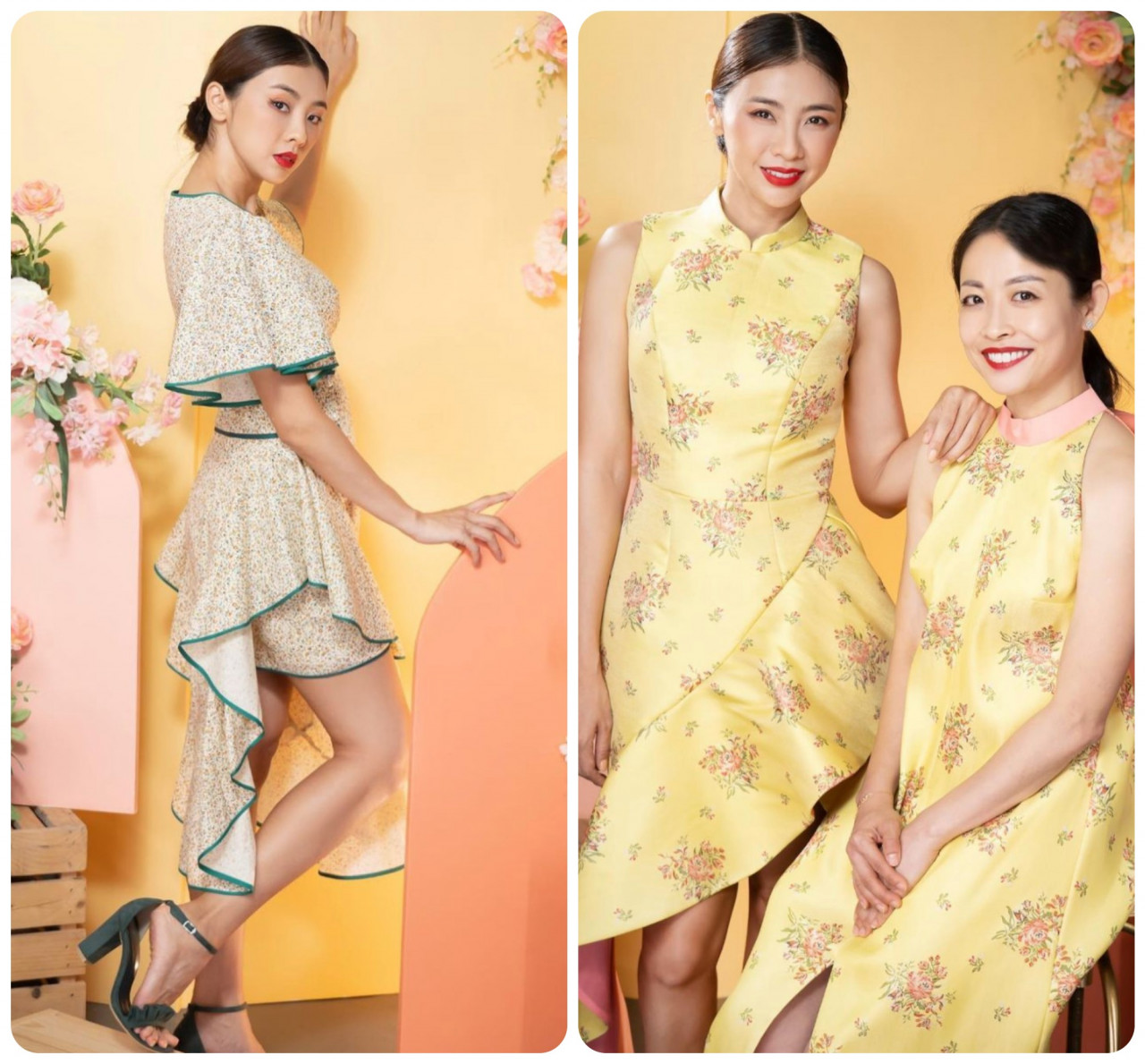
Updating the qipao every year with something fresh can’t be easy. The designers are constantly playing with different silhouettes, patterns, fabrics and colours. For Khoon Hooi, it can even mean introducing Chinese elements to modern apparel.
“The Chinoiserie spin can be added,” he says. “Think colourful florals adorned with embroidery, feathering, mandarin collars, contrasting binding and silk fringing.”
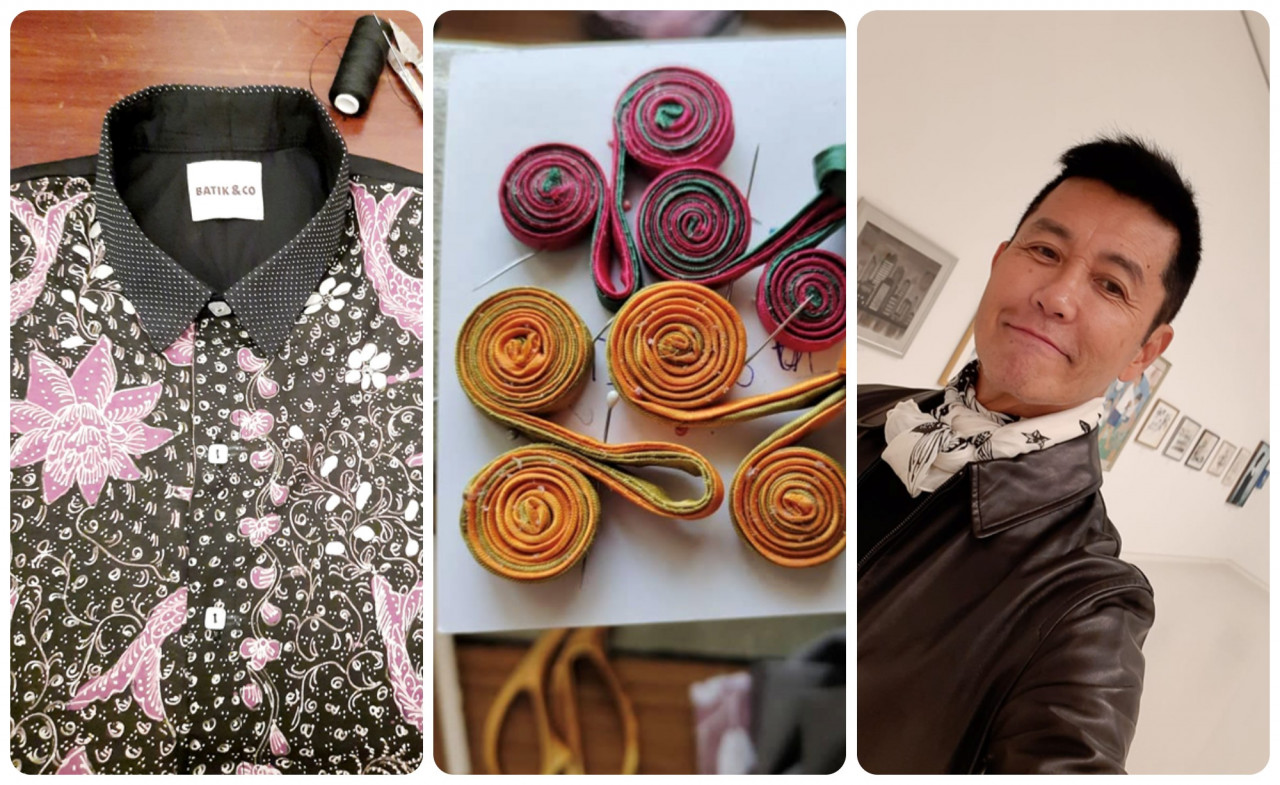
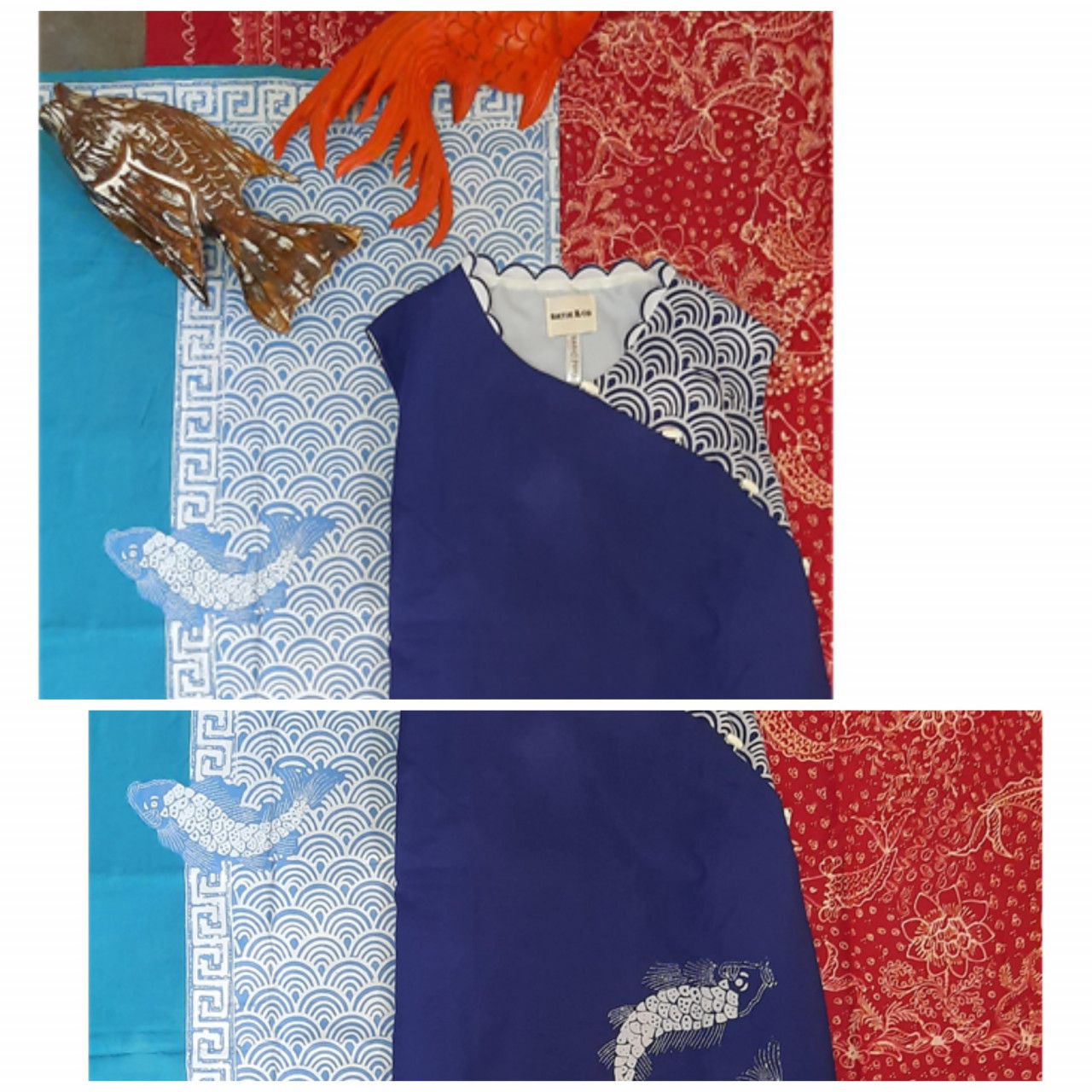
For Soon: “[Venturing] into made-to-measure means I get to offer a little bit more in terms of the attention to detail.” The former co-founder and Creative Director of Salabianca fame now helms Batik & Co. He prefers a personalised service to his customers, using his extensive knowledge of batik to educate and include in his designs. “Of course, there are Chinese techniques that I incorporate – the mandarin collar, the prints and handsewn buttons – but batik makes it different. I also make it contemporary with other techniques.”
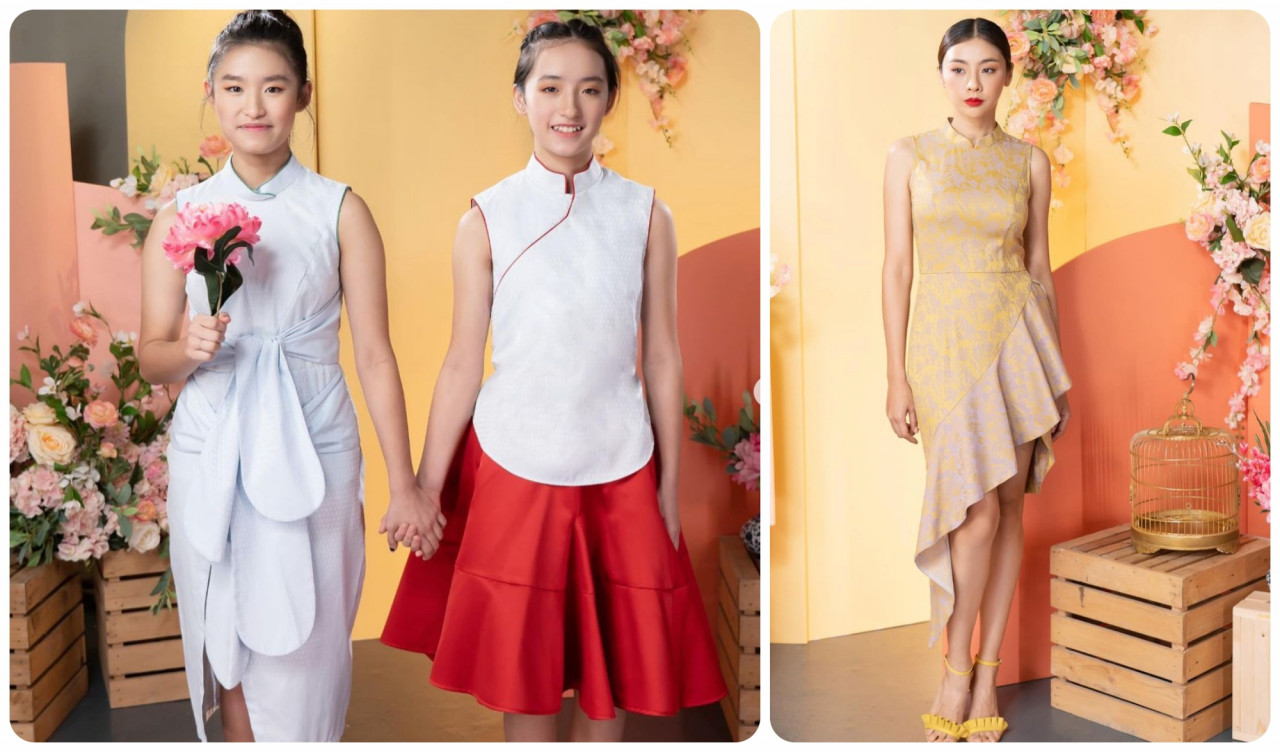
This year, the designers have also included inspirations that have personal meaning for them. Thoi’s collection, for example, is inspired by the memorable experience she had at Keukenhof Gardens in the Netherlands in Spring, sometime before the pandemic. She recalls the carefree moments and draws from the abundance of colourful flora in the gardens as a fresh start for the New Year, just like the garden’s Spring blossoms. The collection is a wish that this New Year “be a fresh start for us all, just like blooming blossoms, it will be filled with life and vigour.”
Thoi’s creations transcend age and occasion. Several outfits including a sky blue creation with cascading “petals” were given particular versatility while her two daughters modelled her clothes in her Chinese New Year campaign.
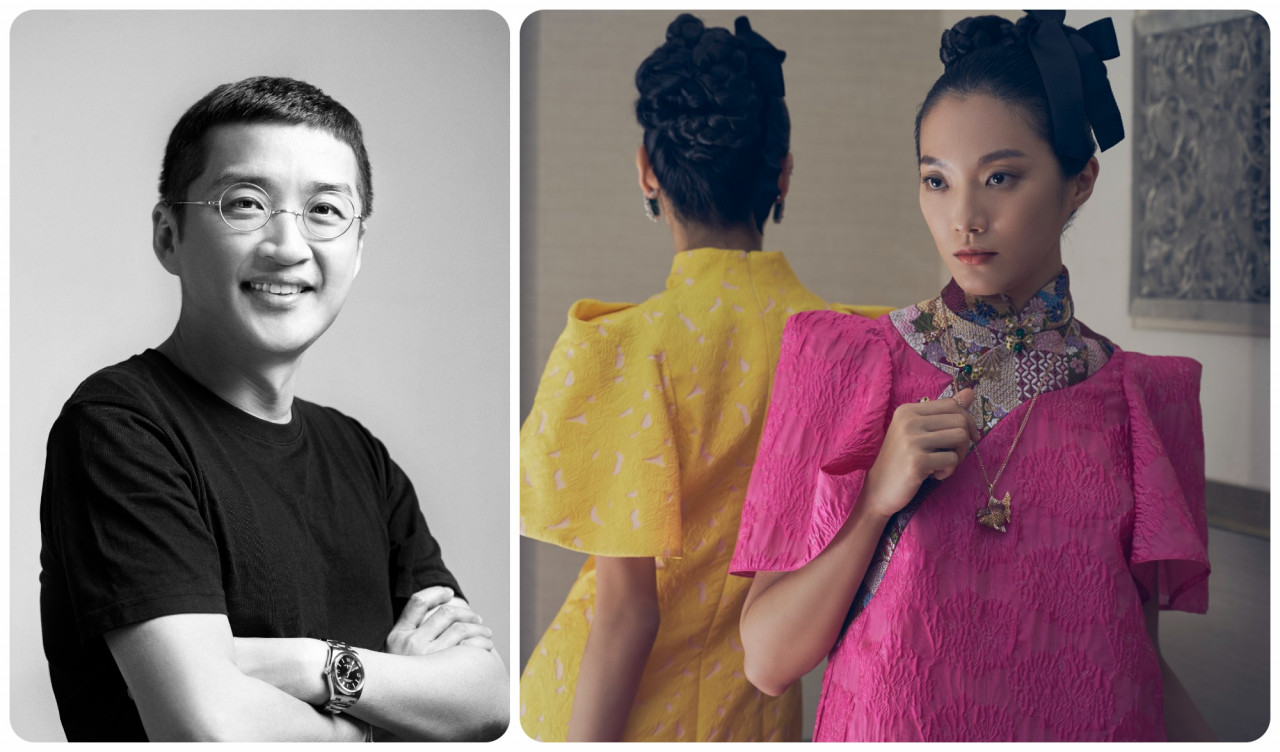
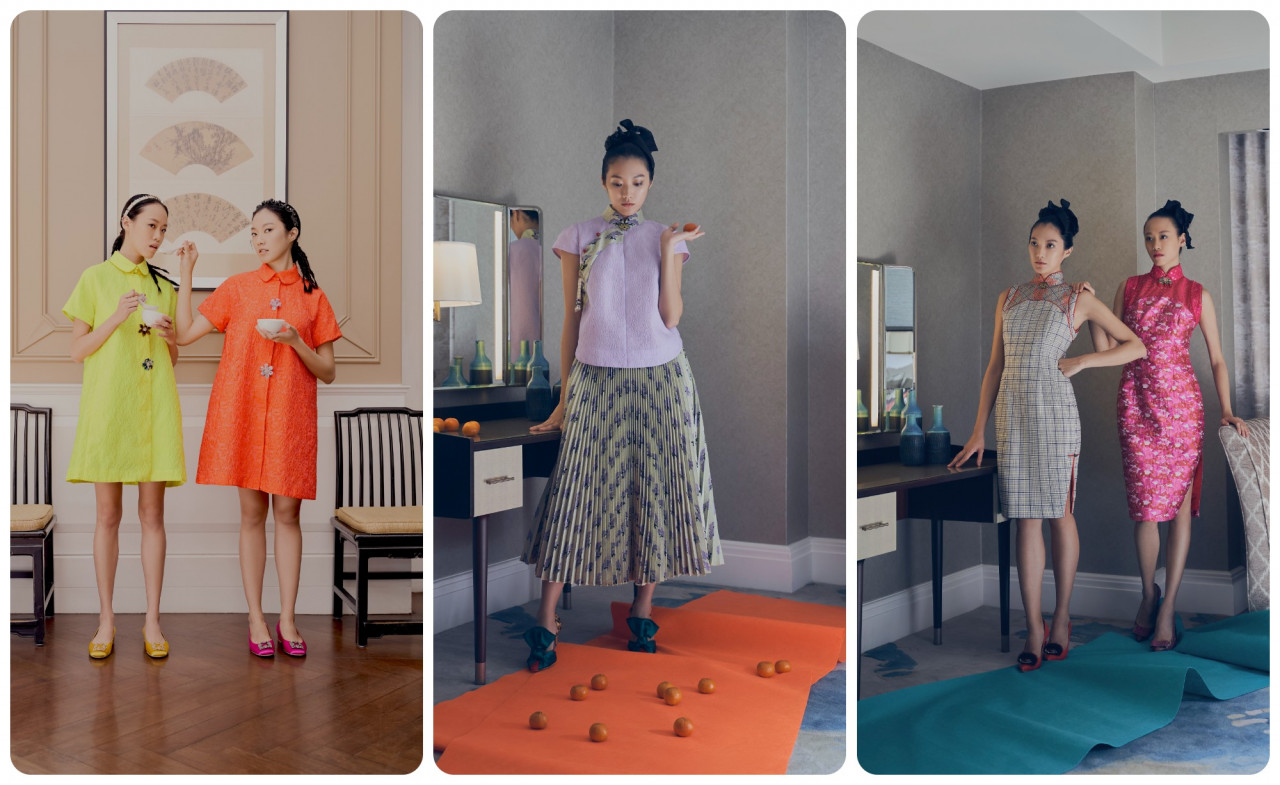
The collection under the Khoon Hooi Gold label updates the traditional form and colour with cuts inspired by the kebaya, short pleated bell sleeves and a halter-necked version of the cheongsam. Traditional embroidery is paired with modern cuts to keep to a retro Shanghainese feel. Details such as dainty tassels add a playful touch.
The designer has also considered deeper Chinese imagery such as Shuen or 宣 (Xuān), a non-gendered name and translated in the Shuen qipao where a masculine print such as the check is given a feminine form. Khoon Hooi has also drawn from the word Wen or 文 (Wén), meaning ‘literary’, ‘culture’ or ‘writing’ and created a youthful 'academic' look for his two-piece Wen ensemble.
Soon looks at Nature’s elements and their symbolism in the prints he employs for his creations this year. He explores clouds, waves, fish and sea grapes on his prints to denote abundance and good fortune. While these elements may seem traditional, Soon brings something different to the table by rendering them in hand-printed batik and lending a more Nusantara feel to his creations.
Ultimately, the designers are constantly looking to expand the boundaries of the qipao. “Just like the LBD, few dresses have been as iconic in history as the cheongsam. It will always be an investment, a must-have piece in a Chinese woman’s wardrobe,” says Khoon Hooi.
“Like most clothing, it comes in all shapes and sizes, and it is a matter of finding a suitable style for yourself.” – The Vibes, February 14, 2021
For more on each designer, visit:


.jpg)