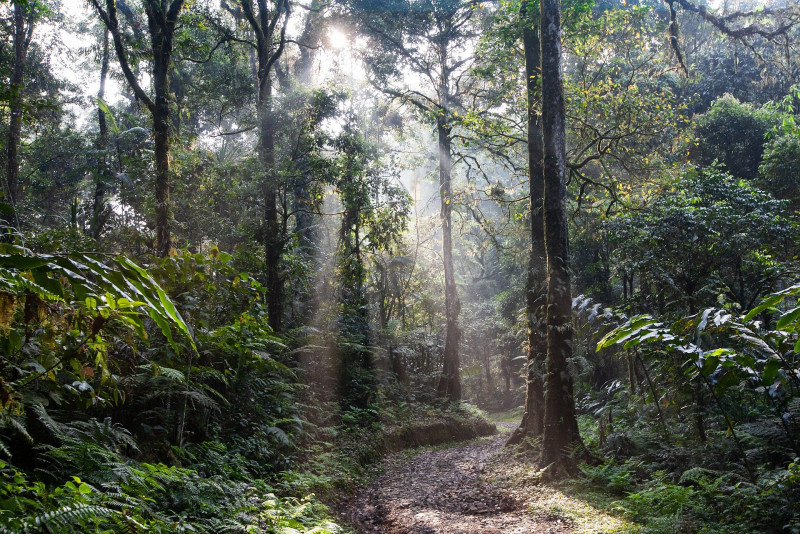
TODAY is World Wildlife Day with an apt theme: ‘Forests and Livelihoods: Sustaining People and Plants’. The theme this year was chosen to highlight the central role of forests, forest species, and ecosystem functions in sustaining millions of people globally, not only for indigenous and forest-dependent communities but also the public at large.
It reminds us of our forgotten responsibility that we have towards every sentient being on this planet. It also reminds us that more than one year has passed since pandemonium broke out the world over as a result of the Covid-19 pandemic.
The world economy has been put on the brakes. Many countries including Malaysia have had multiple lockdowns to counter the devastating health impacts of the pandemic, which has been linked to a virus that has emerged from the wild.
More zoonotic-related diseases can emerge if we continue to destroy, encroach and degrade our natural habitats and ecosystems and not learn from the lessons of the Covid-19 pandemic.
It is clear that some state governments have not learned anything and continue to make decisions to convert our last remaining precious natural ecosystems, for other purposes such as for mega reclamation projects, monoculture plantations, urban development, and even for radioactive and industrial waste disposal sites in forest reserves and environmentally sensitive areas.
Examples of such destructive projects include proposals to degazette the Kuala Langat North Forest Reserve in Selangor and other permanent reserved forests in Perak, the construction of radioactive and industrial wastes disposal facilities in a water catchment forest in Pahang, and the massive reclamation project in Penang which will permanently destroy rich fishing grounds. In states like Kedah, calls to gazette the greater Ulu Muda forest complex as water catchment forests have fallen on deaf ears.
We must seriously halt this trend and begin to protect our forests, marine ecosystems, and livelihoods, including the natural wildlife habitats from conversion and fragmentation. Also needed is the will to increase our wildlife rehabilitation efforts and halting the wildlife trade for good.
Although forestry and land governance are under state jurisdiction, state governments must not function in a way that seems oblivious to the various national policies that have been formulated by the federal government, such as the National Policy on Biological Diversity, the National Policy on Climate Change and the National Physical Plan.
These policies have been formulated to implement Malaysia’s international commitments under processes such as the Convention on Biological Diversity, the Paris Agreement on climate change. Also important are the Sustainable Development Goals, as well as the United Nations’ Declaration on the Rights of Indigenous Peoples.
So, on this day, we urge the state governments to pay heed to these international commitments and obligations. Stop destroying and degrading our forest, coastal and marine ecosystems.
In addition, the federal government must assist the states financially to ensure that these international commitments and obligations are fulfilled in the protection of our forests and biodiversity and not continue to remain promises on paper that are meaningless.
Let’s do what is right in ensuring the sustainability of the current and future generations and put the planet before profits. – The Vibes, March 3, 2021
Meenakshi Raman is president of Sahabat Alam Malaysia