
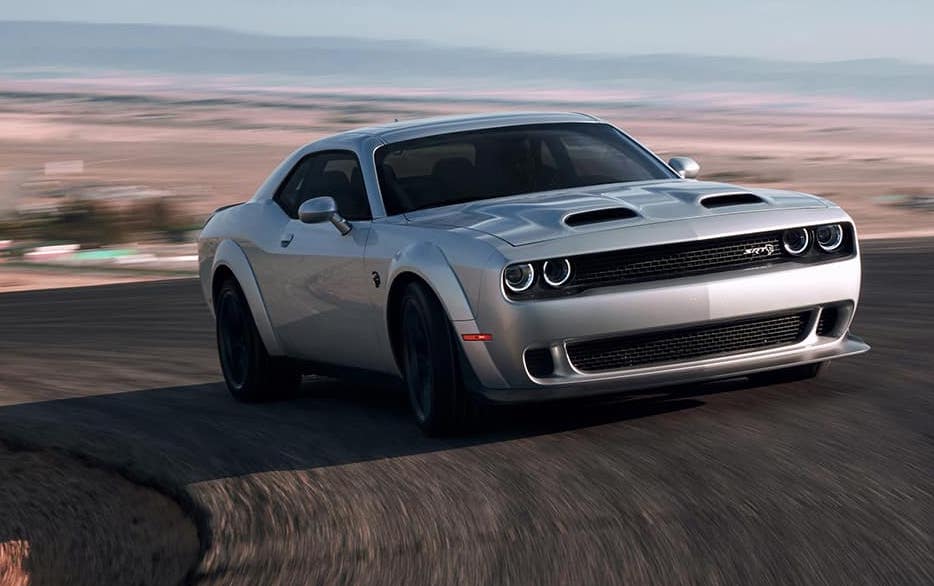
THE Fiat Group currently owns 12 automotive brands – Abarth, Alfa Romeo, Chrysler, Dodge, Ferrari, Fiat, Fiat Professional, Jeep, Lancia, Maserati, Ram Trucks, and SRT.
Now, the PSA Group owns Citroen, DS Automobiles, Peugeot, Opel, and Vauxhall. For some months there has been talk that Fiat and PSA would be merging to become the 4th largest car group in the world.
In Malaysia we have a number of world known car brands missing for many years. Let’s start with Fiat. This brand left Malaysia more than 11 years ago in 2009. Torino Motors was the brand guardian in Malaysia until that time and since then there has been no Malaysian company interested in officially selling Fiat’s in Malaysia.
Then there is Chrysler. Our last memory of the Chrysler brand in Malaysia is seeing our friend’s dad’s 1976 model Chrysler Alpine 5-door hatchback back in the 1980s.
Next comes Jeep. Restarted a few years ago by DRB-Hicom and then 2 years later the business retired for good. Now there is an Approved Permit holder importing new Jeeps in small quantities without an official warranty or after sales.
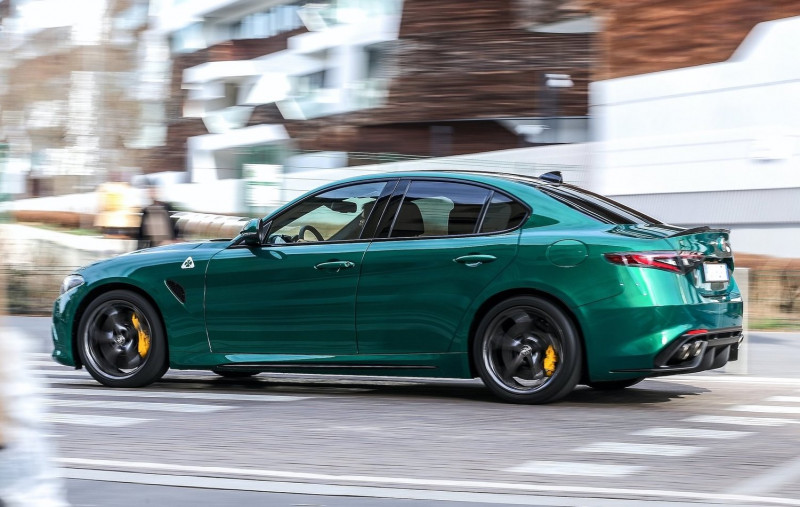
Lets not forget the iconic Alfa brand. Retired by Sime Darby years ago due to slow product updates and reliability issues, this brand is now kept alive by classic models and some Approved Permit holders importing a small number of Giulia sedans into Malaysia at BMW ‘M’ car prices.
So, if this proposed merger between Fiat and PSA goes ahead, will this mean the revival of some of the above-mentioned brands in Malaysia? Well, there is a PSA office in Malaysia and they have the assembly plant in Gurun and operating license. All they need is investment and local distribution channels to get these brands up and running.
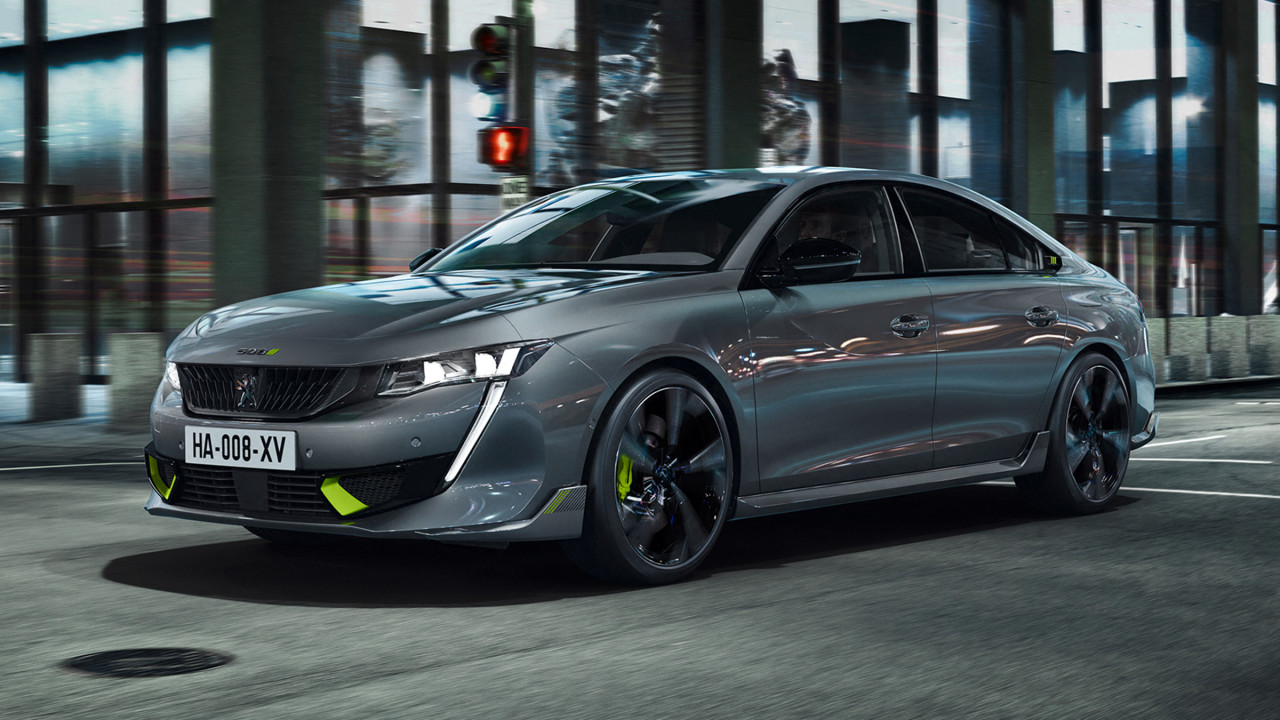
Meanwhile, global news informs us that Fiat Chrysler Automobiles and PSA Group are about to get approval from the European Union for their USD38 billion merger to create the world's No. 4 automaker.
Following feedback from rivals and customers, the automakers only had to tweak the wording of their concessions to EU antitrust regulators, with no changes in the substance.
So, why will this merger be good? To start, there will be huge savings in the cost of manufacturing, logistics and also marketing. With electric vehicle (EV) production increasing, the need to share platforms, battery and electronics technology is needed to bring the cost of EV’s down to be the same or lower than petrol engine cars.
This merger will help do that and we should be seeing the re-introduction of some of these brands in the coming years. Fingers crossed. – The Vibes, October 28, 2020
This article is powered by www.dsf.my For more automotive updates, follow DSF.my on Facebook and Instagram.