NOVEMBER 20 marks the historical date in 1989 when the UN General Assembly adopted the Convention on the Rights of the Child (CRC), the most widely ratified convention in human history. It is about children, young people and friends of Unicef reimagining a better future for every child. It is World Children’s Day.
For us, every “World Children’s Day” is special – but this year, “WCD” is unusual and unique. This year, the Covid-19 crisis has resulted in the deterioration of child rights globally. The costs of the pandemic for children are known – they are also immediate and, if unaddressed, may last a lifetime.
In Malaysia, as in many countries across the world, many families and children are falling off the edge, and into poverty, due to economic consequences of lockdowns to contain the virus. In education, the upheaval has exacerbated the learning crisis and widened gaps in access to quality education.
The Covid-19 crisis is happening against a background of an on-going climate crisis that threatens our children’s very survival and future potential. In a survey of 1,377 young people in Malaysia, we know that 92% of them think that climate change is a crisis. Today, the global youth climate movement is sending a clear message to adults that children and young people are demanding their right to a safe and clean environment and demanding climate action.
The future of a generation of children and youth is at stake. It is time for us to come together to reimagine the type of world we want to create.
As we discuss the best ways to avoid getting infected by Covid-19, this is a day to reimagine health. As children are still struggling to access quality education, this is a day to reimagine the future of learning. Most importantly, with the climate crisis affecting this generation and the next one, we must ask ourselves what planet we leave to our children, and how we prepare our children to heal the planet. This is a day to reimagine a world where every child can lead.
Unicef in Malaysia is embarking on a new country programme in the coming year. We approach our task at hand by looking at the most vulnerable in society, and with the strong belief that all children regardless of their background or status, must be given the opportunity to survive, thrive and reach their full potential.
When we say we work for every child, we also include migrant and undocumented children, Orang Asli children, and children from any minority and hard to reach communities. This approach follows the principle of leaving no one behind; when we take care of the most vulnerable, we are all protected.
In Malaysia, the government has taken action to show that it is serious about building back better. Budget 2021 lists support for families and children, such as increases in welfare support and increased allocation for mental health, laptops and internet data. I believe there are serious plans in place to curb the effects of climate change.
This is commendable and Unicef is here to support the government in their efforts to ensure no one is left behind.
This pandemic and the subsequent lockdown is an opportunity to take a step back to reimagine the world we want to live in. We cannot return to a pre-pandemic era, because that idea of “normal” is not good enough.
The one takeaway that has stayed with me from the Families on the Edge study is their resilience and creativity in weathering the Covid-19 storm. I believe that this is true about Malaysia. You are strong, resilient, creative, and you will emerge stronger.
This World Children’s Day, we want you to join us in reimagining a better world for every child. – The Vibes, November 20, 2020
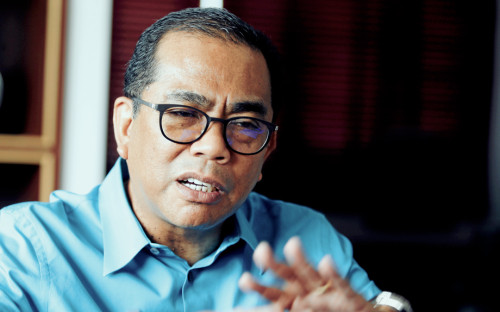
Dr Rashed Mustafa Sarwar is Representative of Unicef in Malaysia, Special Representative of Brunei Darussalam on the occasion of World Children’s Day, November 20, 2020.
Follow Unicef’s World Children’s Day celebrations on social media and www.unicef.org/malaysia