Off beat

And the most emblematic product of 2020 is… toilet paper

Toilet paper symbolises control - and with the coronavirus, people are afraid of losing control

Updated 5 years ago · Published on 20 Nov 2020 12:09PM

And the most emblematic product of 2020 is… toilet paper
In 2020, supermarkets worldwide introduced limits on purchasing toilet rolls amid a rise in panic-buying. – ETX Studio pic, November 19, 2020

TODAY, November 19, is World Toilet Day, so let's celebrate toilet paper (TP). The most-celebrated product of spring 2020 and the first lockdown measures, TP confirmed its popular status when new stay-at-home mandates were issued this autumn, as shoppers continued stockpiling this more than "essential" product. It's a phenomenon that has been noticed worldwide since the onset of the pandemic. But why do people stock up on toilet paper during a coronavirus pandemic?

A global phenomenon

Toilet roll sales were selling at record levels back in March, when videos showing shopping carts overflowing with toilet paper went viral.

This toilet paper craze is a global one. During the first stay-at-home mandate back in March, Australian researchers tried to answer this question asked by the World Economic Forum: why do people stockpile toilet paper?

According to Niki Edwards, from the School of Public Health and Social Work (Queensland University of Technology), toilet paper symbolises control. "We use it to 'tidy up' and 'clean up.' It deals with a bodily function that is somewhat taboo. When people hear about the coronavirus, they are afraid of losing control. And toilet paper feels like a way to maintain control over hygiene and cleanliness," noted the researcher interviewed by the World Economic Forum.

Many people use toilet paper as tissue

Non-perishable in essence, stockpiling doesn't mean that you have to use it right away, noted David Savage, a Newcastle Business School researcher, who viewed this phenomenon as a preparation process. Another researcher from the University of Melbourne, Brian Cook, added an interesting analysis quoted by the World Economic Forum. "Toilet paper is a product that takes a lot of space, and is therefore not something people have a lot of under normal circumstances. A lot of people likely also use toilet paper as a tissue, and therefore imagine themselves needing a lot if they have the flu or a flu-like illness." – ETX Studio, November 19, 2020

Related News

Entertainment / 5mth

Strong turnout for ‘A Year to Love’ stage play in Penang

Malaysia / 7mth

No WFH decision by Penang draws mixed reactions

Malaysia / 1y

Penang’s finances on track after five years of budget deficits, says CM

Malaysia / 1y

167 road fatalities in Penang for first five months this year, mostly involving motorcyclists

Malaysia / 2y

Four years ago today - the first lockdown due to Covid-19

Health / 3y

UN says 'end of AIDS' still possible by 2030

Spotlight

Business

Ringgit gains as oil prices plunge on hopes of Iran conflict de-escalation

Events

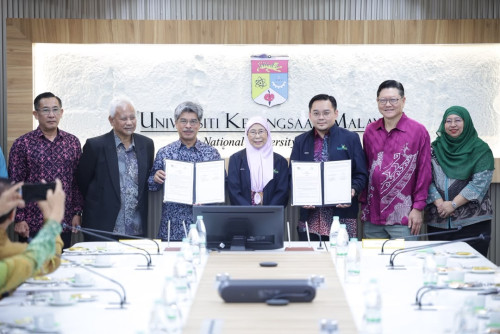
UKM to establish academic research platform named after Dr Wan Azizah

Malaysia

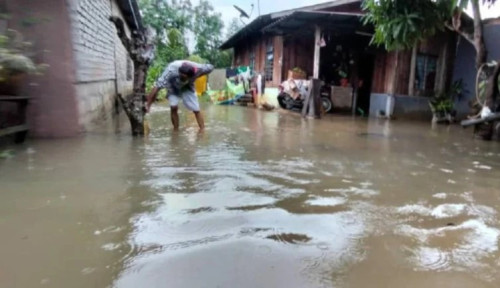
Deepavali preparations destroyed as flash floods inundate Sungai Buloh homes

Malaysia

Melaka polls: Calm campaign puts focus on what parties can offer voters

Malaysia

Anwar challenges Hadi over ‘Dajjal’ label

Malaysia

Shuhaily remains AKPS chief pending official transfer order, says lawyer

Malaysia

Najib's former wife Tengku Puteri Zainah passes away

Malaysia

Matrade exposes scam involving fake procurement orders, advance payment demands

By Alfian Z.M. Tahir

Malaysia

“Don’t panic,” Govt assures stable essential goods supply amid geopolitical tensions, monsoon threat

You may be interested

Events

UKM to establish academic research platform named after Dr Wan Azizah

Community

Mother’s 30-minute wait for mall lift highlights plight of parents with strollers

By Alfian Z.M. Tahir

Events

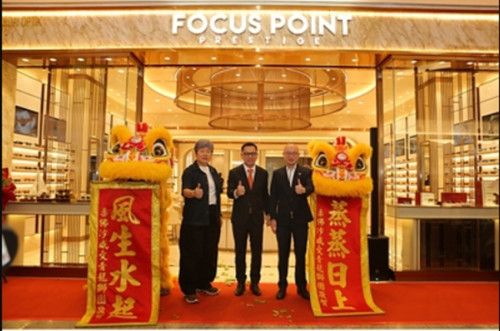
Focus Point expands into premium eyewear market with new Johor Bahru outlet

By Alfian Z.M. Tahir

Community

AWS targets 445,000 civil servants in nationwide AI drive

By Alfian Z.M. Tahir