SINCE 1988, World AIDS Day has been held on December 1 of every year, but this year – for obvious reasons – is unlike any other. Covid-19 has exposed fault lines around the world that every previous pandemic has.
No health crisis of this scale is merely a medical issue, but reflects broader systemic imperatives, such as reducing inequality, human rights, gender equality, social protection and economic growth.
“Covid-19 is threatening the progress that the world has made in health and development over the past 20 years, including the gains we have made against HIV,” said UNAIDS (Joint United Nations Programme on HIV/AIDS) Executive Director Winnie Byanyima.
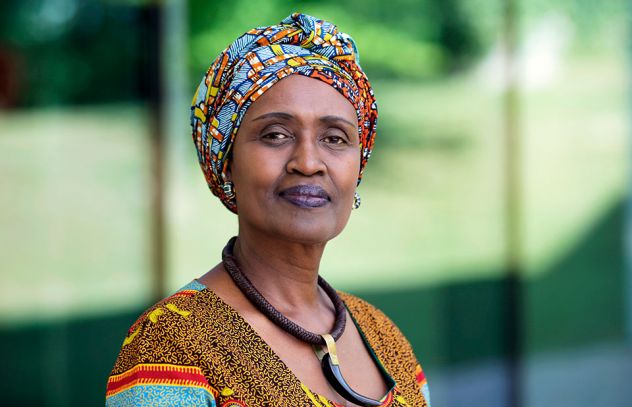
“Like all epidemics, it is widening the inequalities that already existed.
“Gender inequality, racial inequality, social and economic inequalities. We are becoming a more unequal world,” she added.
According to the World Health Organization (WHO), 38 million people are estimated to be living with HIV as of 2019 and 1.7 million were infected this year. 690,000 are people believed to have from the virus in 2019.
WHO notes that HIV prevention, testing, treatment and care services are all being disrupted particularly in countries with fragile healthcare systems.
The breakdown in essential HIV services due to Covid-19 is threatening lives. Any slowing down in provision of these services will leave many vulnerable populations at greater risk of HIV infection and AIDS-related deaths.
However, around the world, health workers and community representatives are doing their utmost to keep services going, innovativing in ways to overcome disruptions in services caused by Covid-19.
It’s also true that a crisis of this scale is much too big to depend on communities, and governments at all levels must be involved so that both diseases don’t continue to ravage the marginalised.
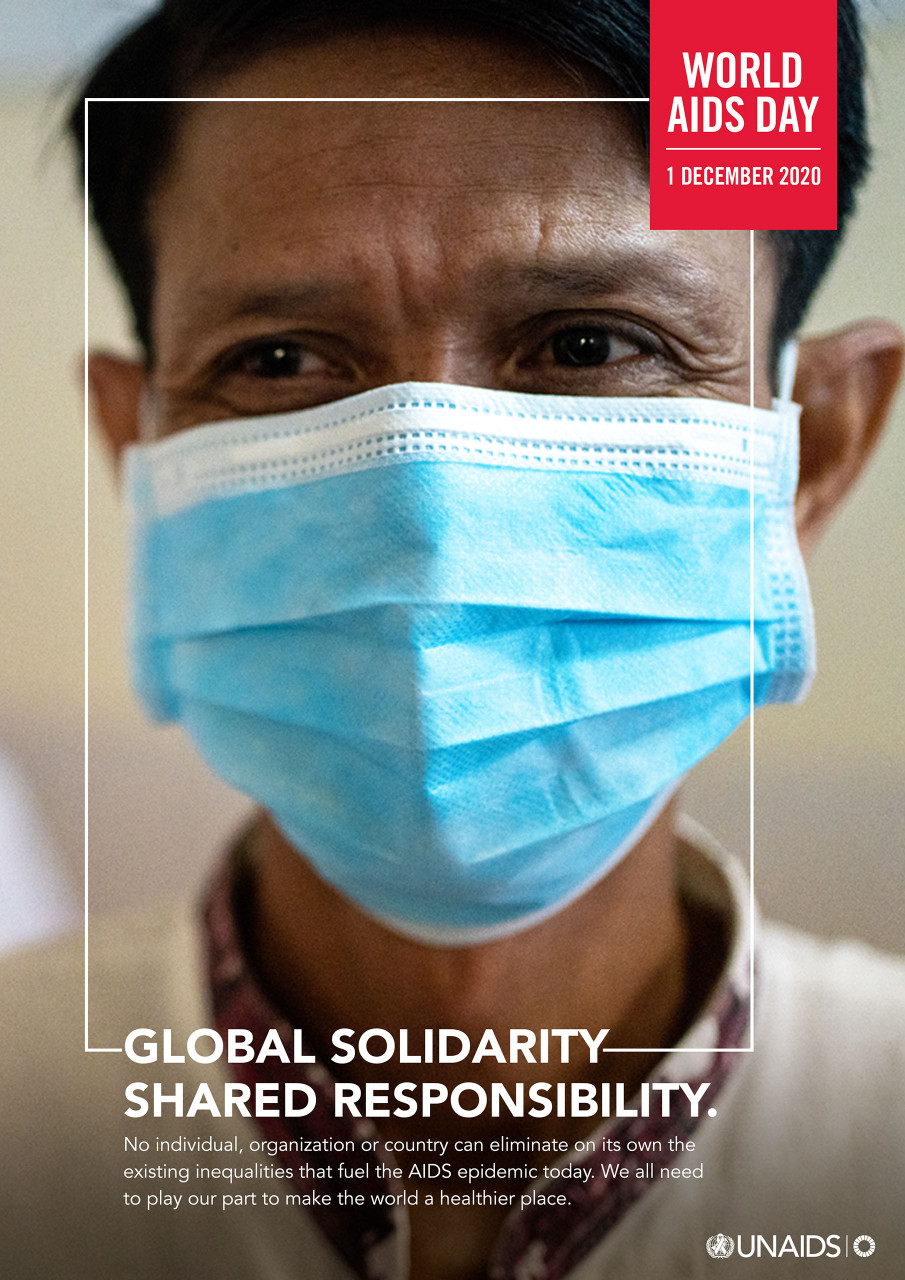
On World AIDS Day, the WHO joins its partners in paying tribute to all those working to provide HIV services, and in calling on global leaders and citizens to rally for “global solidarity” to maintain essential HIV services during Covid-19 and beyond.
It is a call to focus on vulnerable groups who are already at risk and expand coverage to children and adolescents.
“Our goal of ending the AIDS epidemic was already off track before Covid-19,” said Byanyima.
“We must put people first to get the AIDS response back on track. We must end the social injustices that put people at risk of contracting HIV.
“And we must fight for the right to health. There is no excuse for governments to not invest fully for universal access to health.”
Malaysians who wish to make a difference in the fight against HIV/AIDS can do so through the Malaysian AIDS Foundation and its AIDS Solidarity Fund.
Shopee Malaysia is also offering a donation promotion, wherein does who donate have a chance at winning a number of prizes, such as a chance to meet celebrities and a stay at Langkawi hotels. – The Vibes, November 30, 2020