THE Turkish Cuisine Week held from May 21-27 yearly is a global celebration of Turkish gastronomy.
The country's dishes bear the traces of dozens of various civilisations and are nourished by a fertile geography and rich history.
During the second edition of Turkish Cuisine Week, emphasis is placed on the regional cuisine of Hatay.
It is recognised as the ‘26th Gastronomy City of the World’ by the Unesco Creative Cities Network.
The programme will also highlight sustainable and zero-waste production practices in Turkish food culture. Turkish Cuisine Week is coordinated by the Ministry of Culture and Tourism of the Republic of Türkiye.
Türkiye's diplomatic missions worldwide organised various activities and social media campaigns to promote the distinctive flavours of Hatay cuisine.
Hatay cuisine combines high-quality olive oil and grains, legumes, vegetables, fruits, native herbs, and spices cultivated on fertile soils dominated by the Mediterranean climate.
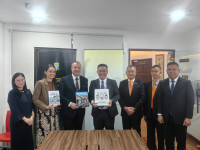
In Malaysia, Turkish Cuisine Week was kick-started with an exclusive dinner hosted by the Ambassador of Türkiye to Kuala Lumpur, His Excellency (H.E.) Emir Salim Yüksel.
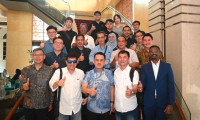
This was followed by an online activity featuring Chef Maximilian J. W. Thomae and a Turkish Cuisine demonstration workshop featuring kısır (fine bulgur salad) and Sini Kebabı/Tepsi Kebabı to 29 students of Le Cordon Bleu Malaysia.
Türkiye Embassy in Malaysia kick-starts the Turkish Cuisine Week
Yüksel organised an exclusive dinner to introduce this year's special menu consisting of local dishes from the cuisine of Hatay.
“Through the week-long Turkish Cuisine Week, the healthy, traditional, waste-free and sustainable nature of the deep-rooted Turkish cuisine is promoted on an international scale.
"Türkiye is among the top five countries with the most intangible heritage values inscribed on Unesco's list of the Intangible Cultural Heritage of Humanity.
"Among these, we also have traditional recipes from Turkish cuisine, such as flatbread, keşkek, a Turkish dish with meat and wheat; and mesir paste, consisting of 41 herbs and spices.
Turkish coffee is also part of the Unesco Intangible Heritage List, symbolising not only a special brewing technique but also a rich communal traditional culture and history,” said Yüksel.

Yüksel added, “Cultural heritage does not only refer to monuments and artifacts; it actually goes way beyond with customs, rituals, skills and recipes that we inherit from our ancestors and pass on to our descendants, as defined by Unesco.
"The dishes that we prepared for you today are from the city of Hatay, one of the cities in the gastronomy field of the Unesco Creative Cities Network.”
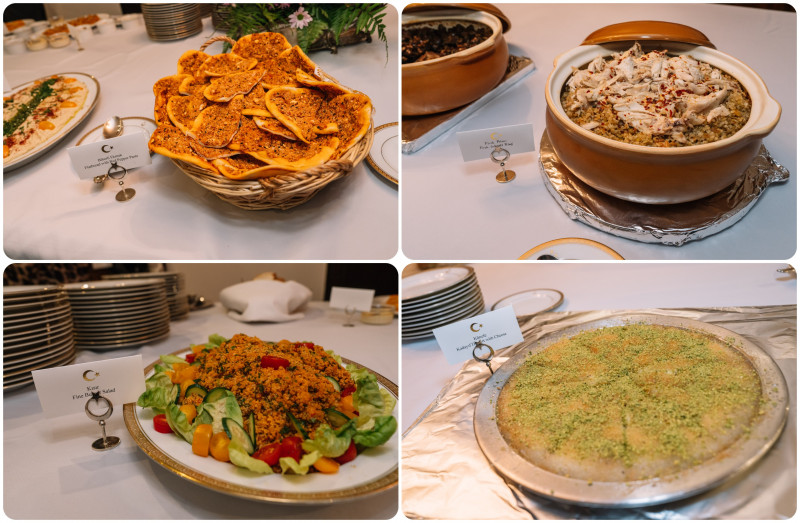
During the dinner, participants also watched a demonstration of the preparation of "stuffed grape leaves with meat" and kısır by renowned Turkish chef Chef Turgay Gündodu. They were served the Hatay menu, including biberli ekmek (flatbread with red pepper paste), olive salad, hummus, kısır and “kunefe” (kadayıf dessert with cheese).

Ancient and timeless traditions of Turkish cuisine
Participants of the Turkish Cuisine Week event also joined a live online activity where Chef Thomae prepared Hatay's native dish kısır. Guests got a detailed look at ancient and sustainable Turkish cuisine using local ingredients and traditional cooking techniques.
The live streaming was viewed by invited participants and they get to learn about the rich biodiversity of Turkish cuisine and its potential to respond to various trends.
Participants experienced a hands-on approach to Turkish cuisine's cooking methodology, which was based on a sustainable and zero-waste approach.
Healthy and timeless recipes united participants around Turkish eating and drinking rituals, which were structured around feelings of unity, togetherness, and cultural sustainability.
.jpg)
Hatay a table of civilisations
In sharing the city’s culinary heritage, Chef Turgay Gündodu also held a demonstration class for 29 culinary students of Le Cordon Bleu Malaysia.
During the demonstration, the students had the opportunity to have hands-on experience with kısır and Sini Kebabı/Tepsi Kebabı.

For more information, visit the website at turkishcuisineweek.com/homepage. – The Vibes, May 26, 2023