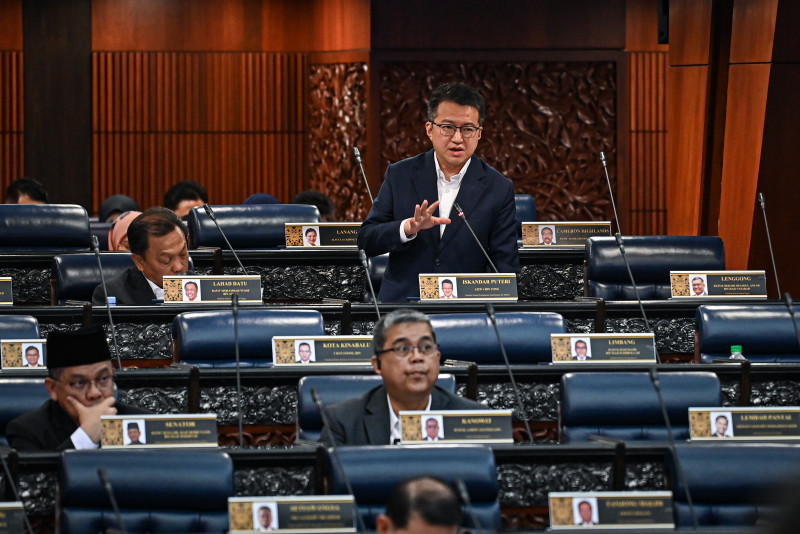
THE Ministry of Investment, Trade, and Industry (MITI) is committed to supporting the development of the Tanjung Manis Halal Hub in Sarawak, with plans to enhance its international profile, Deputy Minister Liew Chin Tong said in the Dewan Rakyat today.
Liew highlighted the success of Malaysia's Halal Industrial Parks, noting that 14 HALMAS (Halal Malaysia) certified parks have been established across the country, covering a total land area of 13,553.1 acres.
“As of now, 2,078.6 acres (15.3%) have been developed, attracting an impressive RM16.75 billion in investments between 2012 and 2024,” he said.
Key sectors within these parks include food and beverages (F&B), cosmetics, personal care products, and food processing.
These parks are home to 361 companies, comprising 51 multinational corporations (MNCs) and 310 small and medium enterprises (SMEs).
Liew said this in reply to a question raised by Yusuf Abd Wahab [Tanjung Manis] on what is being done by government to assist Sarawak in promoting the Tanjung Manis Halal Hub globally in the lower house today.
Liew explained that the Tanjung Manis Halal Hub, established as a HALMAS-certified industrial park in 2010, spans 9,984 acres designated for halal-related investment activities.
To date, 487.2 acres (4.9%) have been developed for basic infrastructure, pineapple farming, and shrimp aquaculture.
The hub has recorded RM18 million in investments, with one foreign company and two local companies (state-owned subsidiaries) involved.
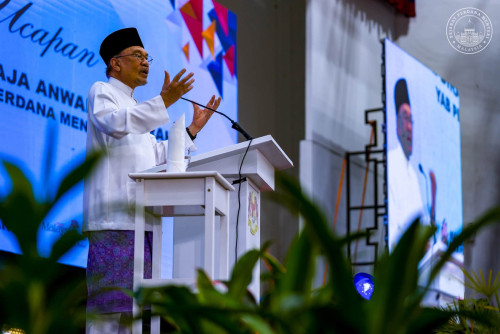
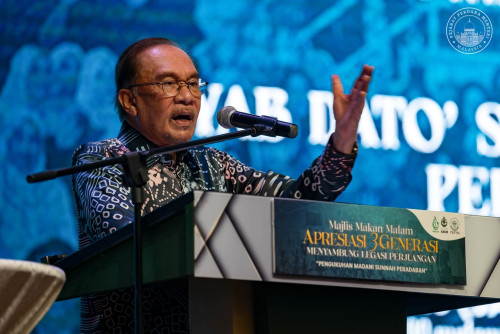
Liew said: “As part of the government's broader strategy to position Malaysia as a global halal hub, Prime Minister Datuk Seri Anwar Ibrahim, outlined a comprehensive plan to strengthen the halal supply chain by enhancing the role of halal industrial parks.
“This includes making these parks more industry-friendly to attract strategic new investments while also supporting the growth of existing businesses.”
Anwar had outlined four key actions to achieve this goal:
1. Increase promotional activities for HALMAS industrial parks as prime investment destinations.
2. Establish innovative support services and facilitation.
3. Enhance shared business facilities (shared services).
4. Encourage business integration through digital platforms.
Additionally, the Halal Industry Development Corporation (HDC), an agency under MITI, is currently conducting a study to improve the HALMAS framework, including Tanjung Manis Halal Hub.
“The study, which involves private consultancy firms, is focused on identifying challenges and insights from industry players. The revised framework is expected to be completed by the first quarter of 2025 and will cover operational methods, governance mechanisms, and related incentives,” Liew said.
The ministry, together with HDC, remains dedicated to strengthening and promoting Malaysia’s halal industry both domestically and internationally, in alignment with the Halal Industry Master Plan 2030, Liew added. – March 3, 2025