THE Ministry of Domestic Trade and Cost of Living (KPDN) has identified six principal methods through which controlled goods, including petrol and diesel, are being diverted or misappropriated across the country.
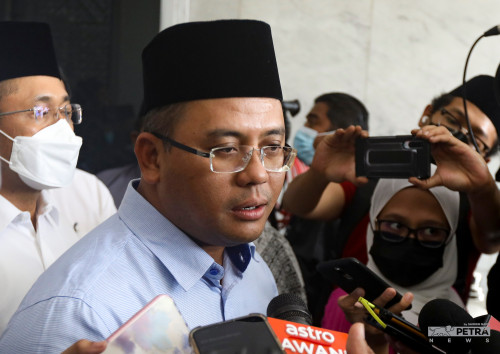
Minister Datuk Armizan Mohd Ali revealed that these operational tactics were outlined during the first meeting of the High-Level Inter-Agency Coordination Committee to Combat Leakage and Smuggling (JTPAP) on 11 March, chaired by Deputy Prime Minister II Datuk Fadillah Yusof.
“These methods involve both land and maritime activities, with some misappropriation carried out by licensed holders of scheduled controlled goods (CSA) at depots, petrol stations, and other points in the supply chain,” he explained during a visit to fuel stations and border areas today.
He detailed the various tactics, noting that the second method involves third parties who obtain supplies but do not channel them through legitimate channels.
This includes “bunkering activities which have been detected to contain elements of misconduct and require tighter regulation, currently being reviewed by the Ministry of Transport.”
The third method involves the reprocessing of petroleum products within Malaysian waters, mixing different types of fuel including RON95 before selling to selected parties.
Other tactics include document falsification regarding purchase quantities and the hoarding of supplies before selling them on the black market, often at inflated prices for industrial users.
Armizan emphasised that strict control and monitoring of distribution channels are vital to combat leakage, smuggling, and stockpiling.
“Among the strategies implemented is the enhancement of existing operations, from Ops Tiris 3.0 to a more integrated Ops Tiris 4.0, which strengthens collaboration across enforcement agencies and relevant government bodies, effective from 16 March. The enforcement operation will focus on three main clusters: land, maritime, and border areas,” he said.
He added that in addition to field enforcement, daily monitoring will be conducted using a comprehensive distribution chain database. “This encompasses the entire supply chain from refineries to retail, including storage facilities, petrol stations, and industrial users,” Armizan stated. - April 4, 2026
.jpg)