THE government has tightened expenditure controls across ministries and agencies, securing almost RM5 billion in savings as part of a broader RM10 billion operating expenditure adjustment aimed at strengthening Malaysia’s fiscal position amid global economic uncertainties.
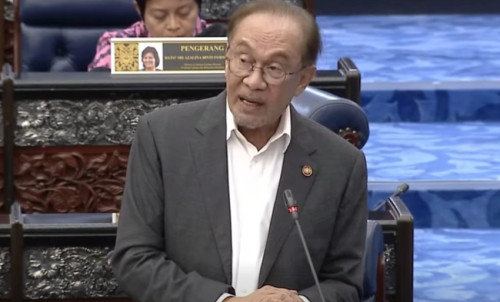
In a written parliamentary reply to Senator Tuan Haji Hussin Ismail in the Dewan Negara on Wednesday, the Deputy Finance Minister Liew Chin Tong said the spending control measures implemented during the first half of 2026 had improved public financial management efficiency without disrupting critical public services or economic stability.
He said early fiscal interventions had helped Malaysia remain resilient despite continued pressures from global supply chain disruptions.
On April 29, 2026, the Ministry of Finance issued directives for a RM10 billion adjustment in operating expenditure allocations across all ministries and government agencies.
Following engagement sessions with ministries and agencies to outline the spending control framework, the government had achieved almost RM5 billion in expenditure restrictions as of July 14.
“The Ministry of Finance has held engagement sessions with ministries and agencies to explain the expenditure control criteria that need to be implemented following the global supply chain crisis,” Liew said.
He explained that various departments and agencies were allowed to restructure their allocations according to current priorities and operational needs to ensure the delivery of essential services remained unaffected, adding the government remained prepared to consider urgent funding requests from ministries and agencies, subject to fiscal capacity and prevailing expenditure priorities.
“The spending controls mainly affected non-critical areas, including the postponement or scaling down of official government events, ceremonies and conferences, restrictions on official travel to essential duties involving only the minimum number of officers, greater use of online meetings, and delays in creating new posts and recruiting additional civil servants.”
However, exemptions would continue for ritical sectors such as education, healthcare, security, enforcement and national revenue collection, with recruitment and staffing decisions subject to strict oversight by the Public Service Department (JPA) and the Ministry of Finance, Liew said.
He stressed that the measures would not affect essential services, particularly healthcare, subsidies and assistance programmes provided to Malaysians. These include Sumbangan Tunai Rahmah (STR), Sumbangan Asas Rahmah (SARA), welfare assistance, agricultural incentives, school assistance and other government commitments.
“Generally, these operating expenditure restrictions do not involve core programmes of each ministry, and allocations for key sectors such as healthcare, education, security, public welfare and the implementation of high-impact development projects will continue to be prioritised,” the Deputy Minister ministry said.
The government said the spending restrictions were temporary and that any reallocation of funds would be reviewed once the country’s fiscal position improves.
The move forms part of Malaysia’s wider fiscal consolidation strategy to ensure prudent financial management while sustaining economic growth and protecting targeted assistance for vulnerable groups.
The latest measures follow broader government efforts to reduce fiscal pressures, manage public debt growth and improve spending efficiency without compromising national development priorities. - July 29, 2026