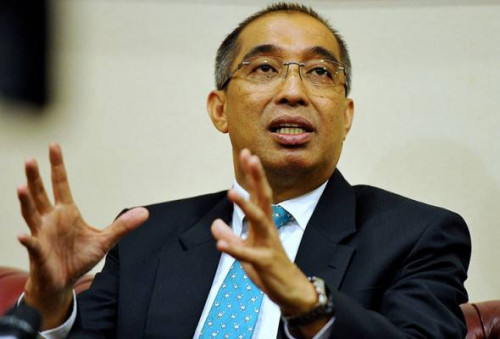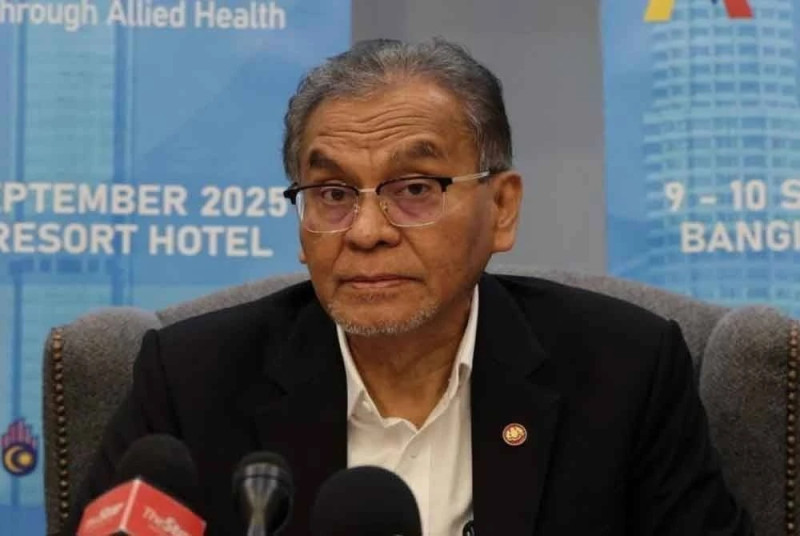
THE Ministry of Health (MOH) is reviewing new reward and incentive mechanisms to retain medical specialists in the public healthcare system amid continuing concerns over staffing shortages and workloads, Health Minister Datuk Seri Dr Dzulkefly Ahmad said.
He said the ministry was also promoting professional development and examining existing provisions that could give public-sector specialists greater flexibility to undertake locum work at private healthcare facilities.
“We cannot make any promises, but we are looking into the possibility of giving them two days to undertake locum work at private facilities,” he said, according to media reports.
Dzulkefly was speaking at the convocation ceremony of the Ministry of Health Malaysia Training Institute (ILKKM) at Universiti Malaysia Sabah (UMS) on Saturday.
He also acknowledged that double shifts were being implemented at many MOH facilities due to a shortage of more than 10,000 nursing positions.
The situation, he said, had made it necessary for the ministry to develop a more comprehensive and integrated approach to tackling excessive workloads and burnout among healthcare workers.
“We are looking at several other approaches and thinking outside the box. For example, clinical management and integrated care can be implemented involving health clinics and hospitals, including the sharing of expertise and nursing staff,” he said.
On the planned deployment of 560 permanent medical officers to Sabah in October, Dzulkefly said MOH was strengthening its coordination mechanisms to ensure placements were carried out more systematically, responsively and based on data.
He said human resource challenges in Sabah and Sarawak were not simply about the number of healthcare personnel available, but also about ensuring they were distributed according to the needs of individual locations and facilities.
“The issue of human resources, particularly in Sabah and Sarawak, is not only about numbers, but also the challenge of distribution according to location, facilities, needs and demand.
“We need to identify the actual needs matrix for each facility,” he said. - August 16, 2026