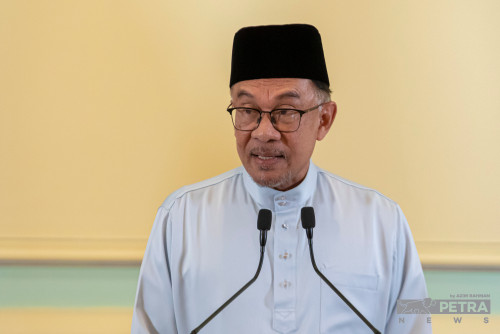

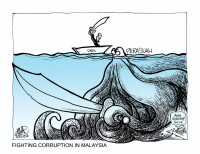
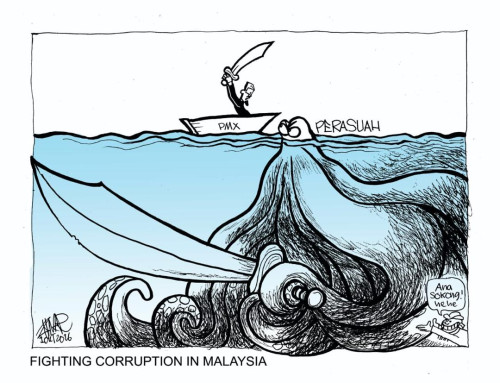
THE recent controversy involving Malaysian Border Control and Protection Agency (AKPS) director-general Datuk Seri Mohd Shuhaily Mohd Zain has once again put the spotlight on a familiar question in Malaysia: how far can the fight against corruption and abuse of power go when it depends heavily on individual leaders?
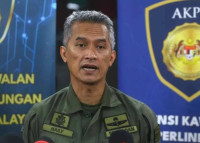
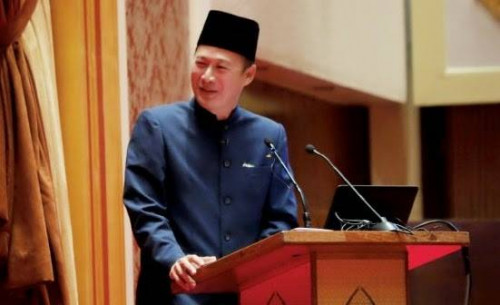
Shuhaily is currently under scrutiny after a video showing him reprimanding an individual at Kuala Lumpur International Airport (KLIA) went viral.
He said on Thursday that the incident occurred during an AKPS and Aviation Security (AVSEC) operation involving a foreign tout syndicate, and that he was prepared to accept whatever decision the government makes.
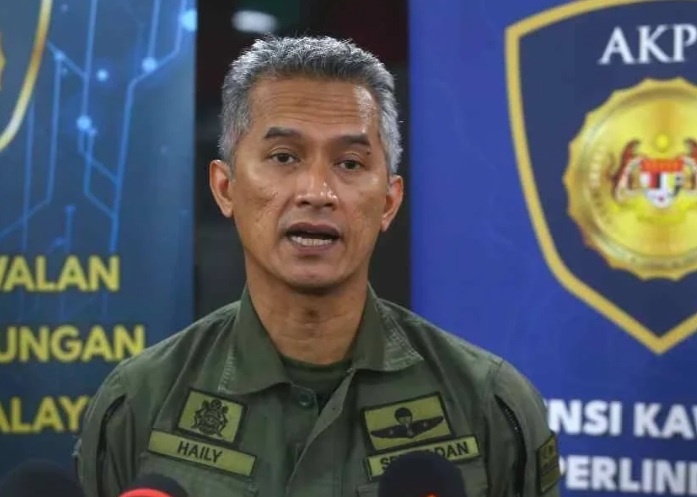
Police are investigating the circumstances surrounding the recording and its dissemination, while Shuhaily has urged the public not to speculate.
The controversy is separate from the broader question of corruption, but it has revived discussion about the pressures faced by officials tasked with enforcing rules at the country’s entry points.
It also comes at a time when the government has continued to place anti-corruption and institutional reform high on its agenda.
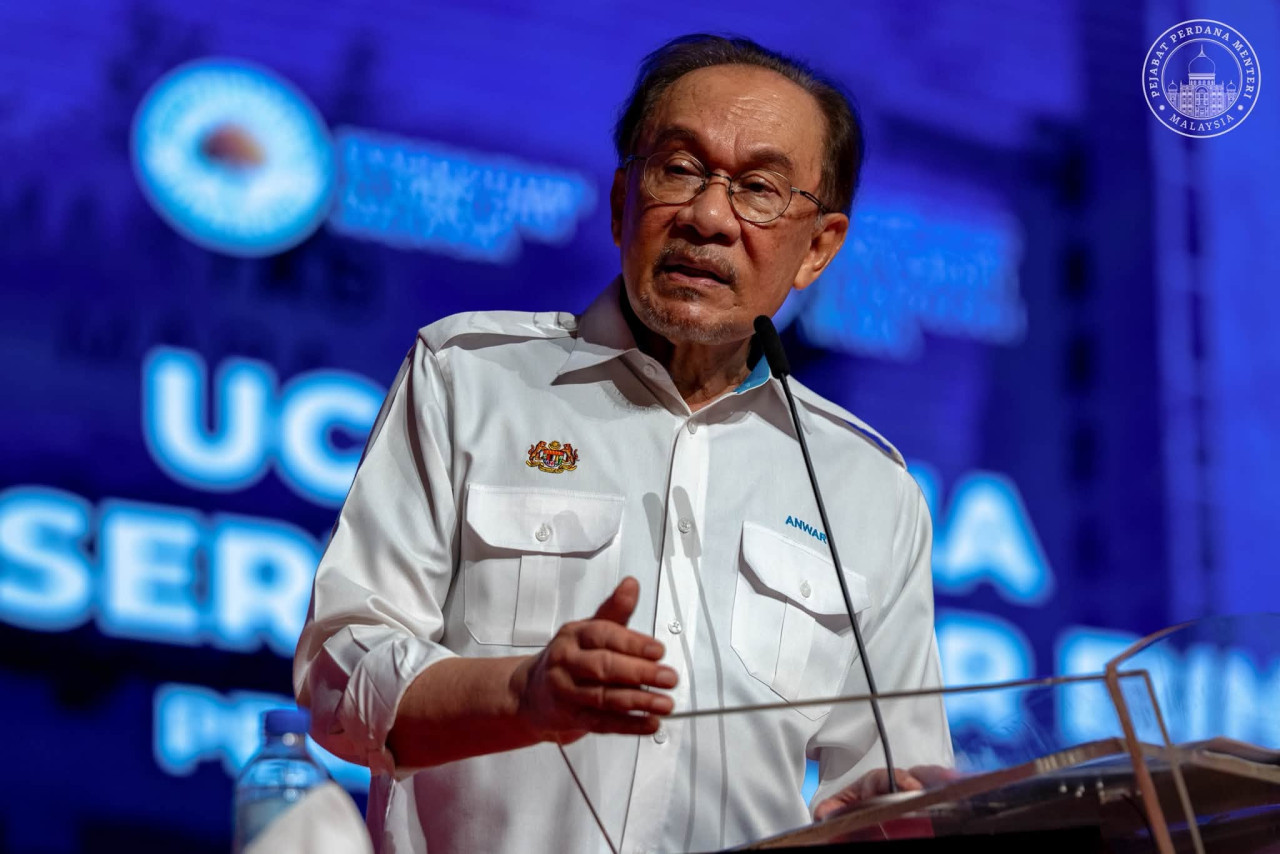
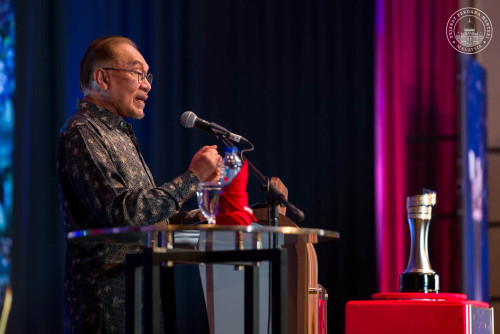
Prime Minister Datuk Seri Anwar Ibrahim has repeatedly said the fight against corruption cannot be left to one institution.
In June, he said enforcement agencies, Parliament, the public and private sectors and wider society all had a role to play, while describing the Special Committee on Corruption and Anti-Corruption Advisory Board as important checks and balances.
Anwar has also maintained that investigations into governance issues should be allowed to proceed according to the law, rather than being dismissed as political retaliation.
In September, he said investigations involving government agencies were part of his responsibility to ensure the country was governed according to the rule of law, while stressing that investigations were conducted by enforcement agencies.
The emphasis on integrity is not confined to the federal administration.
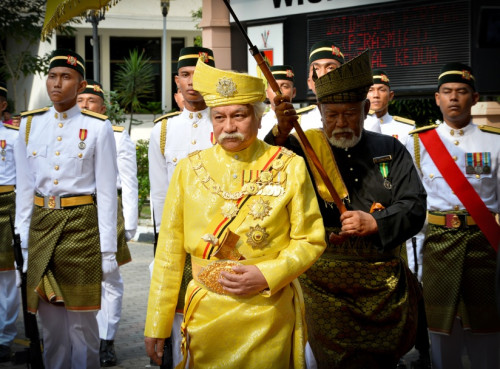
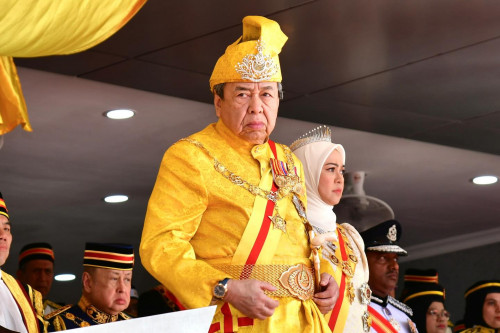
Yang di-Pertuan Besar Negeri Sembilan Tuanku Muhriz Tuanku Munawir has been equally direct in his public warnings about corruption.
In January, the ruler said corruption was a threat to justice, trust and the country’s future, while expressing disappointment that some people continued to support individuals convicted of major corruption offences.
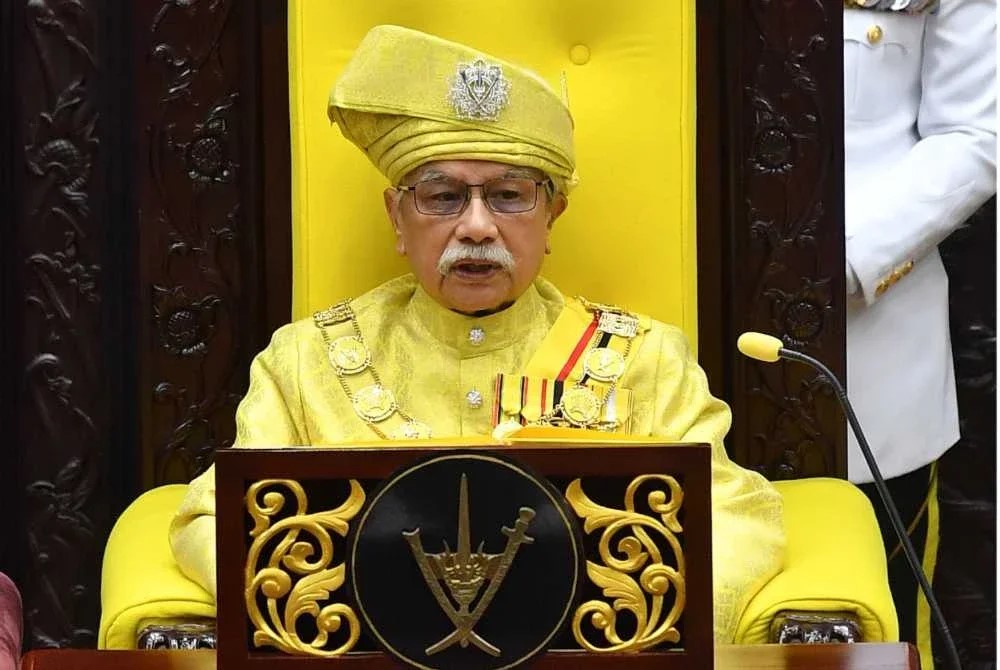
In April, Tuanku Muhriz also reminded state leaders that decisions involving public administration must be based on facts, established rules and the law, warning that decisions driven by personal interests or emotions could undermine administrative integrity.
Those statements are significant because the anti-corruption debate is often reduced to personalities.
Supporters may see a leader’s determination to act against wrongdoing as evidence of political courage.
Critics, meanwhile, may question the manner in which enforcement is carried out or whether the same standards are being applied consistently.
Both questions matter.
An anti-corruption campaign cannot be credible simply because a prominent figure speaks forcefully about it.
Nor should allegations of wrongdoing be dismissed merely because they involve an official who has taken a strong public position on integrity.
The test is whether the institutions involved can establish the facts, investigate complaints independently and act according to the law.
That principle is particularly relevant to the Shuhaily controversy.
The AKPS chief has said he will leave the matter to the authorities and accept whatever decision is made.
He has also denied that the incident involved the police, saying the operation shown in the video involved AKPS and KLIA AVSEC personnel.
At the same time, AKPS has been involved in enforcement operations aimed at tackling smuggling and other cross-border offences.
The agency said last week that it had worked with the Malaysian Anti-Corruption Commission, police, the Department of Environment and port authorities to re-export 436 containers of electronic waste, with another 578 scheduled for re-export from October.
These are precisely the areas where strong enforcement and institutional oversight need to operate together.
Malaysia does not need an anti-corruption fight built around personalities.
It needs enforcement officers who can do their jobs without fear or favour, agencies subject to proper scrutiny, investigations that are allowed to run their course and public officials prepared to answer for their actions.
It also requires the public to apply the same standard regardless of political allegiance.
Corruption does not become less serious because the person accused is popular.
Nor does an allegation become fact simply because it is widely circulated.
That distinction is increasingly important in an environment where videos, accusations and political claims can spread long before investigations are completed.
The experiences of Tuanku Muhriz, Anwar and Shuhaily are not identical, and there is no evidence establishing that the controversies surrounding them form a single campaign.
What they do illustrate is the continuing importance of institutional credibility.
The fight against corruption will ultimately be judged not by how loudly individuals speak about it, but by whether Malaysia’s institutions can enforce the same rules consistently — including when the person involved is powerful, politically connected or personally popular.
That is a much bigger challenge than any one individual can carry. – October 2, 2026








.jpeg)

_-_ABDUL_RAZAK_LATIF_07.JPG)