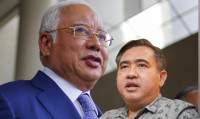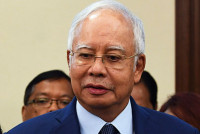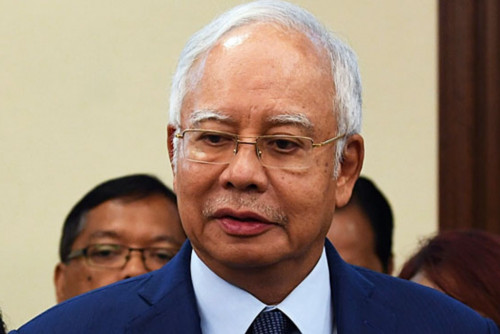
THE international coverage of Datuk Seri Najib Razak’s move from prison to house arrest has brought renewed attention to the multibillion-dollar 1Malaysia Development Berhad (1MDB) scandal that overshadowed his final years in office.
Major news organisations, including The New York Times, BBC and Al Jazeera, reported on the former prime minister’s transfer, with their accounts placing the latest development against the background of his corruption convictions and the scandal that led to his political downfall.
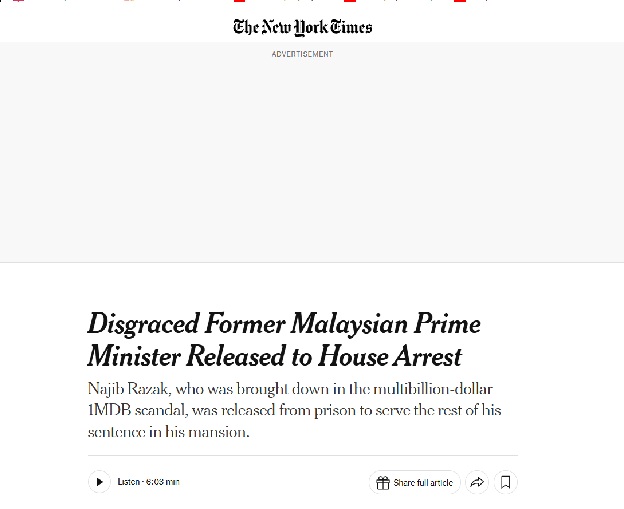
The New York Times, in a November 10 report headlined “Disgraced Former Malaysian Prime Minister Released to House Arrest”, recalled how the 1MDB affair brought Najib’s administration under intense international scrutiny.
The BBC adopted a more pointed headline, “Malaysia’s disgraced former PM leaves jail for house arrest after embezzling millions”, directly linking his departure from prison to the financial crimes for which he was convicted.
Al Jazeera, meanwhile, reported the development under the headline “Malaysia’s Najib moved from prison to house arrest after royal clemency”, focusing on the clemency process while also revisiting the scandal and the circumstances surrounding his imprisonment.
The coverage by the three international outlets reflects how closely Najib’s latest legal development remains tied to the 1MDB affair, which became one of the most prominent financial scandals involving a sitting government.
House arrest does not erase conviction
Reuters and the Associated Press also reported on the court proceedings, the payment of the RM50 million fine and the implications of Najib’s separate conviction in the 1MDB case.
A central point in the coverage was that the transfer to his residence did not mean Najib had been acquitted or freed from his sentence.
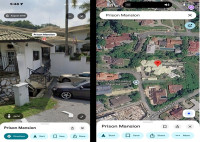
He remains subject to the terms of his punishment, with house arrest replacing imprisonment for the remainder of his SRC International sentence.
The legal developments also attracted attention after the original High Court order issued on November 6 prompted the Attorney-General’s Chambers to seek clarification. The court subsequently issued a revised order on November 10.
Under the revised order, Najib is to serve the remainder of his SRC International sentence under house arrest until August 23, 2028.
His separate 15-year prison sentence in the 1MDB case remains subject to the appeal process.
Najib has consistently denied wrongdoing and maintained that he was made a scapegoat in the 1MDB scandal. However, his convictions and the controversy surrounding the state investment fund continue to dominate international accounts of his political and legal history.
The emphasis in overseas reporting has differed from much of the domestic debate, which has focused on the royal clemency decision, constitutional procedures and the role of the Attorney-General’s Chambers in the house arrest arrangement.
International outlets have instead given considerable attention to the corruption case behind Najib’s imprisonment, placing his return home within the wider question of accountability for the 1MDB scandal.
For Najib, the move marks a significant change in how he serves his sentence. But it has not altered the convictions that brought him to prison or removed the 1MDB scandal from the story of his political career.
The international headlines suggest that, even as the former prime minister returns to his family residence, the affair that defined his downfall remains central to how his case is viewed beyond Malaysia. - November 13, 2026