![[UPDATED] LPPR members must explain decision to go behind Abu Zahar’s back: Rais](https://media.thevibes.com/images/uploads/covers/_large/Abu_Zahar_Ujang-Wikipedia.jpg)

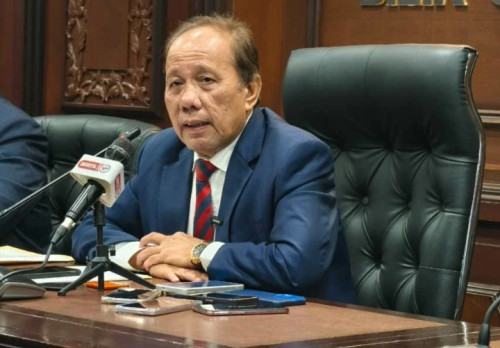
KUALA LUMPUR – Members of the Anti-Corruption Advisory Board (LPPR) must explain what truly motivated them to go against their chairman Tan Sri Abu Zahar Ujang when it came to the debacle surrounding Malaysian Anti-Corruption Commission (MACC) chief Tan Sri Azam Baki.
Special Committee on Corruption chairman Tan Sri Rais Yatim said an explanation is much needed, particularly after Abu Zahar provided his side of the story during a “tell-all” press conference.
“Abu Zahar may have carried out his duty to the best of his ability. I don’t know the specifics about the other (six) members, but it is best they state why they changed their stand. This is not clear to the public.
“If only Abu Zahar is allowed to explain, this is certainly not appropriate, as there are six others who also play a role (in the LPPR),” he said during the Agenda Awani programme today.
Last Friday, six of the LPPR members had issued a statement distancing themselves from Abu Zahar, after the latter said the board found Azam not culpable of any wrongdoing in the purchase of millions of shares from two public-listed companies.
They maintained that their chairman’s comments during a press conference on January 5 were his personal views and do not represent theirs.
Abu Zahar had explained that LPPR had conducted a meeting with Azam and was satisfied by his explanation that the shares purchased in 2015 were actually done by his brother, under his name.
Responding to claims made by his board members, Abu Zahar on Tuesday said they had an initial agreement to hold a meeting to elaborate on the allegations against the anti-graft body, before the six went ahead to conduct their own meet and issue a statement.
“I deeply regret the statement issued by the six members,” he had said.
In view of these latest developments, Rais said his Special Committee on Corruption may consider summoning Abu Zahar and his members to seek clarification.
Under the MACC Act 2009, the special committee has the power to examine comments made by the LPPR pertaining to MACC’s exercise of its functions, and to seek clarifications and explanations on LPPR’s comments.
Additionally, Rais said, if necessary, he may utilise the Houses of Parliament (Privileges and Powers) Act 1952 to order the LPPR members to attend Parliament to explain their change of stand and elaborate on the point of dispute against Abu Zahar.
Section 16 of the Act stipulates that the House or any authorised committee may order any person to attend a proceeding as witness and to produce relevant documents. – The Vibes, January 14, 2022









.jpg)