MALAYSIA’S recently introduced Regulatory Period 4 (RP4) electricity tariff reform has the potential to accelerate the country’s energy transition and encourage behavioural change, provided it is supported by inclusive technologies, financing models and outreach, an energy expert has said.
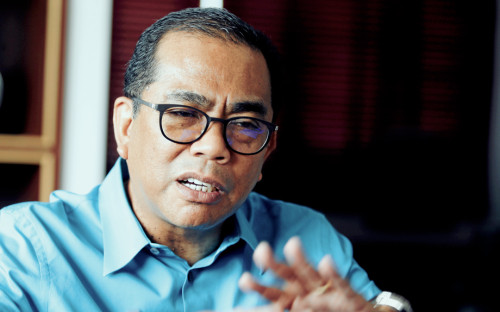
Associate Professor Dr Mohamad Fani Sulaima of Universiti Teknikal Malaysia in Melaka said the Time-of-Use (TOU) mechanism and Automatic Fuel Adjustment (AFA) regime introduced under RP4 are promising steps but must be complemented by broader, people-centric initiatives.
“These channels are crucial for building trust and delivering targeted outreach,” Bernama quoted hims saying, referring to community engagement via state assemblies, municipal councils and universities.
While praising programmes such as the “Insentif Cekap Tenaga”, he warned that uptake among lower-income households could be hindered by affordability concerns. “Integrating zero-interest financing options and engaging local institutions can help drive behavioural change,” he said in a written response to Bernama.
He noted that TOU’s success depends on enabling consumers to respond in real time. “Smart home technologies, energy management platforms, and mobile alerts that notify users of tariff changes can significantly improve responsiveness,” he said.
“Rebates for shifting usage to off-peak periods can further encourage smarter energy choices without compromising comfort,” he added.
Mohamad Fani suggested that platforms such as the MyTNB app could evolve from informational tools into interactive energy management systems, offering real-time consumption data, energy-saving advice, and peer comparisons.
On equity concerns, he said flat rate structures may disproportionately impact large households with unavoidable energy needs. “A more equitable approach would be to introduce social weighting in rebates or tariff tiers that consider household size or special needs,” he said.
He also highlighted the importance of targeted safeguards to avoid exacerbating energy poverty in rural and underserved communities, calling for lifeline tariffs, infrastructure investment and digital inclusion to go hand in hand with pricing reforms.
From a broader energy policy perspective, Mohamad Fani said dynamic pricing models such as AFA can support cleaner consumption, particularly when aligned with renewable sources like solar energy and backed by battery storage.
“AFA helps shape demand and supports peak shaving... It strengthens both grid stability and the investment case for renewables, contributing to National Energy Transition Roadmap targets,” he said.
However, he cautioned that tariff signals alone may not be sufficient to drive rooftop solar adoption due to unattractive net metering rates and cumbersome permitting processes. “Guaranteed export rates and streamlined approvals are needed to empower more households and businesses to participate in the energy transition,” he said.
He called for inclusive financing solutions—such as microloans, pay-as-you-save schemes, and community solar—to widen access to clean technologies among low-income households and SMEs.
“To support the RP4 regime, we must also implement complementary policies such as subsidies for efficient appliances, mandatory energy audits, and green building standards,” he said, pointing to provisions in the Energy Efficiency and Conservation Act 2024.
“These efforts, backed by public-private partnerships, can help ensure the energy transition is just, inclusive and aligned with Malaysia’s net-zero emissions target by 2050,” he added. - June 24, 2025