By Datuk Ismail Yusop
AS the global landscape grows ever more complex and unpredictable, Malaysia finds itself at a critical juncture – a nation in the process of rebuilding its statehood on firmer, fairer ground.
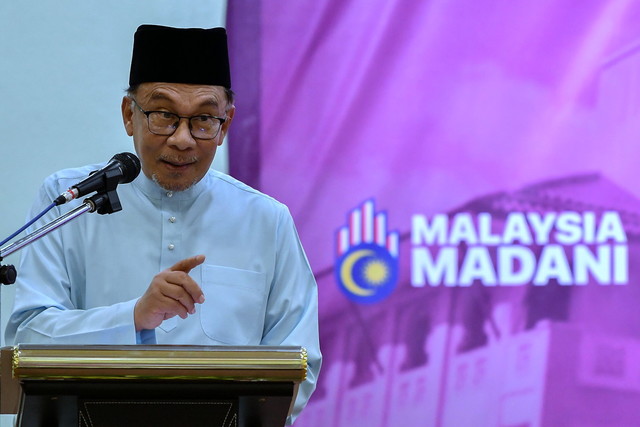
Under the leadership of Prime Minister Datuk Seri Anwar Ibrahim and the principles of the MADANI Government, this national project is rooted in the value of shared responsibility. It is not merely the duty of government, but a collective task that must be shouldered by all Malaysians.
One of the key pillars in forging a resilient nation lies in a just and effective taxation system. Taxation is not merely a revenue tool, but a means of ensuring equitable distribution of national wealth.
The Sales and Services Tax (SST), for instance, has been designed to avoid burdening the low-income population. “Essential items such as food and medicine are exempted, while luxury and imported goods are taxed in a targeted manner.” This reflects the Government’s intention to protect ordinary citizens while maintaining national financial health.
Paying taxes is more than a legal obligation; it is an act of economic patriotism — a tangible expression of loyalty to the nation. “It is not a burden when seen through the lens of social and national responsibility.” It is a shared investment in Malaysia’s future. Every ringgit, if well-managed, returns to the people in the form of prosperity and stability.
“Paying tax is a patriotic act to be proud of, not lamented.”
In an increasingly volatile global economy, the Government is compelled to make difficult decisions, including tax adjustments. These are not populist choices designed to win short-term favour, but bold, necessary steps taken in the nation’s long-term interest.
Populist decisions often offer temporary relief – such as keeping taxes artificially low despite rising national debt. In contrast, the Government’s approach, including tax restructuring and subsidy rationalisation, demands political courage and administrative transparency, even at the risk of public dissatisfaction.
These adjustments are vital not only to increase national revenue but to ensure long-term fiscal sustainability, reduce reliance on foreign debt, and create fiscal space for future development.
Without such resolve, Malaysia risks facing deeper economic crises and losing global competitiveness.
Adding to the pressure, the global economy is placing significant strain on Malaysia’s fiscal policies. Falling commodity prices, including palm oil and petroleum, have cut into revenue, while global inflation has squeezed household budgets.
In such a climate, the Government must strike a careful balance between meeting public needs and securing the nation’s future. That means restructuring taxes and subsidies in a more targeted and sustainable way.
Malaysia cannot isolate itself from global shifts. Participation in international initiatives, such as the Base Erosion and Profit Shifting (BEPS) framework and the global minimum tax, compels Malaysia to adapt its tax system to remain relevant and competitive in a global investment landscape.
What is clear is that the MADANI Government does not promise shortcuts. It offers a longer, more demanding path — but one that leads to a more just, transparent and prosperous nation. And in this effort, not only Anwar and his Cabinet will be tested, but the people themselves.
Building Malaysia Madani is a national project that requires the active participation of every citizen. It calls upon us not just to demand, but to contribute. The task of nation-building is not the Government’s alone; it is a shared responsibility that must be embraced with conviction.
As the slogan goes: “Together, We Safeguard the Nation.” It is not political rhetoric, but a call to collective ownership — a pledge to shoulder the future of Malaysia together. - June 27, 2025
Datuk Ismail Yusop is the Director-General, Department of Community Communications (J-KOM)