MORE than 60 years after achieving independence, Malaysia finds itself at a critical juncture, with renewed debate over whether the nation can transcend the race- and religion-based politics that have long shaped its public life.
Observers say the continued emphasis on communal identity risks undermining national cohesion at a time when unity is increasingly vital.
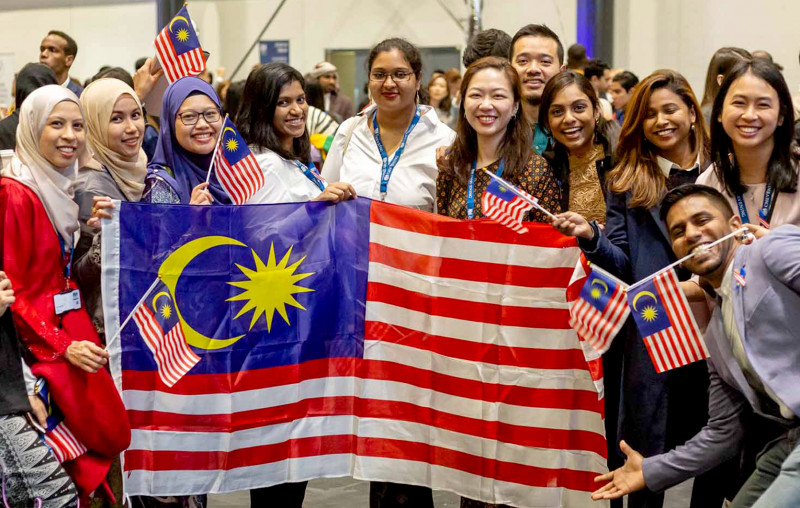
Malaysia was born out of extraordinary diversity, bringing together Malay, Chinese, Indian and indigenous communities, alongside a religious mosaic that includes Islam, Buddhism, Christianity, Hinduism and other faiths. This diversity was intended to be a source of strength, yet many argue that identity politics has continued to overshadow the broader national interest decades after Merdeka.
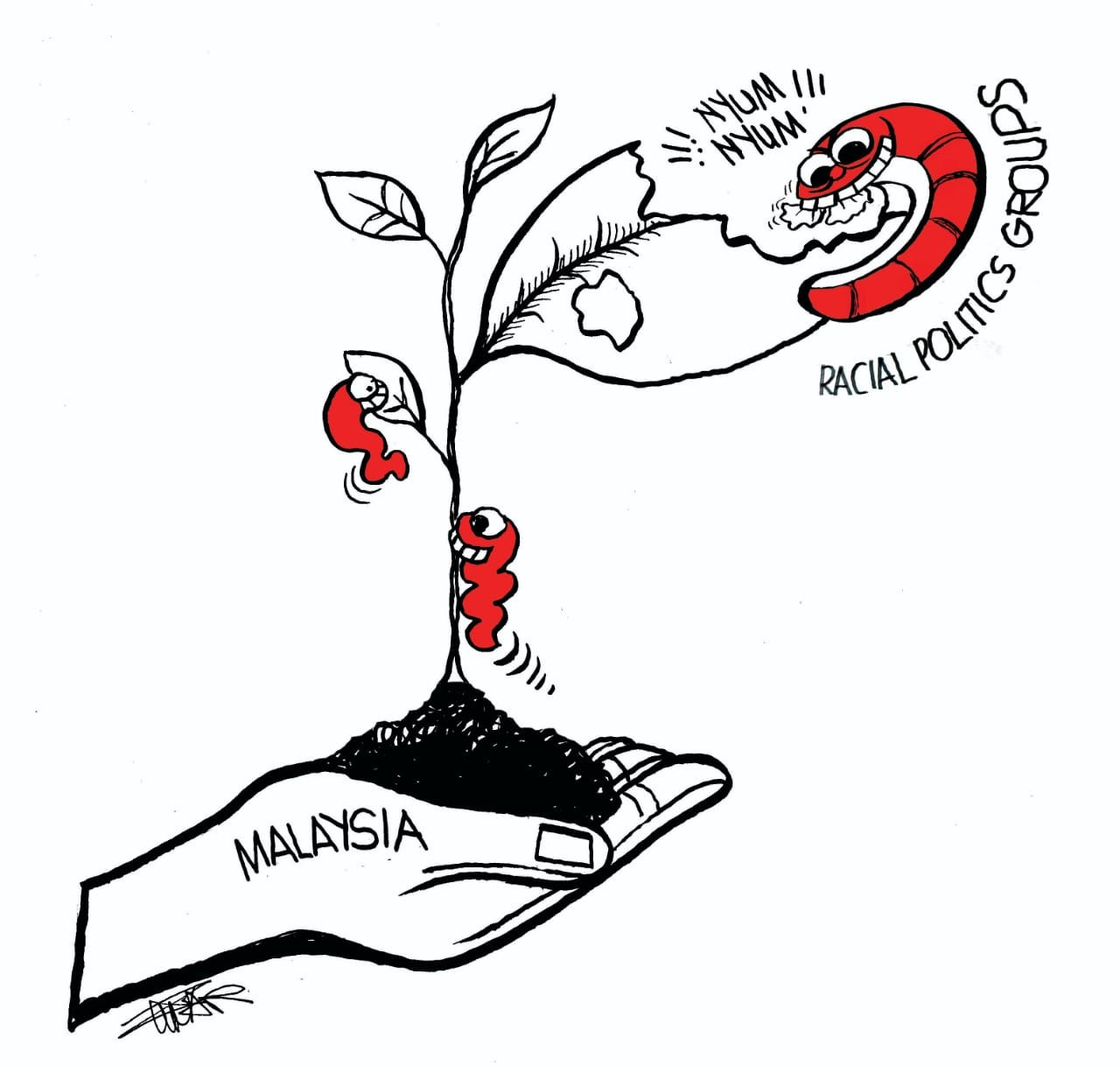
Analysts warn that the persistence of race- and religion-centred politics has slowed reforms and placed strain on social harmony. In this context, patriotism, understood as loyalty to the nation regardless of race or religion, is being reframed as a practical necessity rather than a symbolic ideal, particularly as the country navigates economic and social challenges.
The intersection of race, religion and politics has long been a defining and contentious element of Malaysia’s political landscape. Political actors have historically mobilised ethnic and religious narratives to secure support and maintain influence, shaping public policy and discourse in ways that continue to affect national unity.
Over the years, electoral competition has frequently revolved around appeals to communal sentiment, with parties positioning themselves as protectors of specific ethnic or religious groups. Critics say this approach has fuelled inter-ethnic mistrust and heightened social tension, especially during election campaigns when divisive rhetoric often intensifies.
Malaysia is often characterised as a race-based society, where political alignments are organised along ethnic lines and communal identity is prioritised over a shared national identity. This framework is reinforced by constitutional provisions recognising the special position and privileges of the Malay majority, or Bumiputera, which form a central part of the country’s social contract.
At the same time, there is increasing concern over the growing influence of religion in public and political discourse, particularly the rise of more conservative Islamic perspectives. Some observers warn that this trend risks marginalising minority communities and weakening the culture of tolerance that underpins Malaysia’s multi-faith society.
The sustained focus on race and religion has also been criticised for diverting attention from urgent national priorities, including economic competitiveness, education reform and social welfare. As a result, Malaysia has become more polarised, with recurring debates and incidents linked to racial and religious discrimination continuing to emerge.
Despite the depth of these challenges, calls for a shift in political culture persist. Civil society groups, segments of the political leadership and members of the Malaysian royalty have repeatedly urged a move away from race- and religion-based politics towards a more inclusive national identity, commonly referred to as Bangsa Malaysia.
Advocates argue that a renewed emphasis on inclusive patriotism, grounded in mutual respect and equal citizenship, is crucial if Malaysia is to overcome division and fully realise the potential of its diverse society. - December 21, 2025