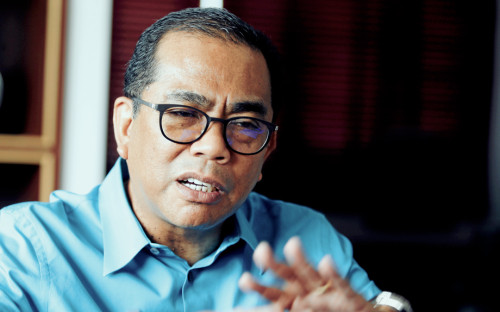
“YOU know there was a Harvard University study that was recently published. It is an analysis of the perception that people have had of the way in which the crisis was managed, and there is an overwhelming response that shows, again, it’s a perception that people have had that shows that they feel that women have had a better way to deal with the pandemic. Now, is it to say they... have done a better job? Probably not. Is it to say they had attributes like empathy, such as appreciating the fear that people have, such as reaching out, that was dominant in their way of dealing with the crisis? Probably so. There are so few women than men actually in charge of those issues... The fact that many of them have been successful is also an indication that they are pretty damn good.” – European Central Bank president Ms Christine Lagarde, The Economist interview, March 2021
Poignant yet touching words. As the world commemorated yet another International Women’s Day on March 8, the day continues to mean different things to different women: for champions of suffragettes, it may mean the role of women in a world where democracy itself is being questioned; for women living in slums across the world, making ends meet silently, they may yearn for a life of greater purpose and respect, a life where they have more choices; in the corridors of power across boardrooms and in politics, it may be greater empowerment, equal pay and treatment as their male colleagues, and greater diversity notwithstanding. The list may be long, and may differ depending to whom one speaks. Locally, for instance, we still face a situation where Malaysian women cannot automatically pass on their citizenship status to their children, unlike their husbands. Further, we still debate if women who have contributed to the economy and building of a nation are honoured comparably to their male counterparts.
It is here that some recent developments in corporate Malaysia, and a recent one being at Top Glove Corporation Bhd (Top Glove), caught my interest. Of late, Top Glove has announced many new developments and achievements. One key area that gets missed out is its board’s composition. As I write this, its current board comprises five women in a 12-member board. The women making waves in Top Glove’s board are:
Puan Sri Tong Siew Bee (non-independent non-executive director)
Datuk Noripah Kamso (independent non-executive director)
Sharmila Sekarajasekaran (independent non-executive director)
Datuk Norma Mansor (independent non-executive director)
Azrina Arshad (independent non-executive director)
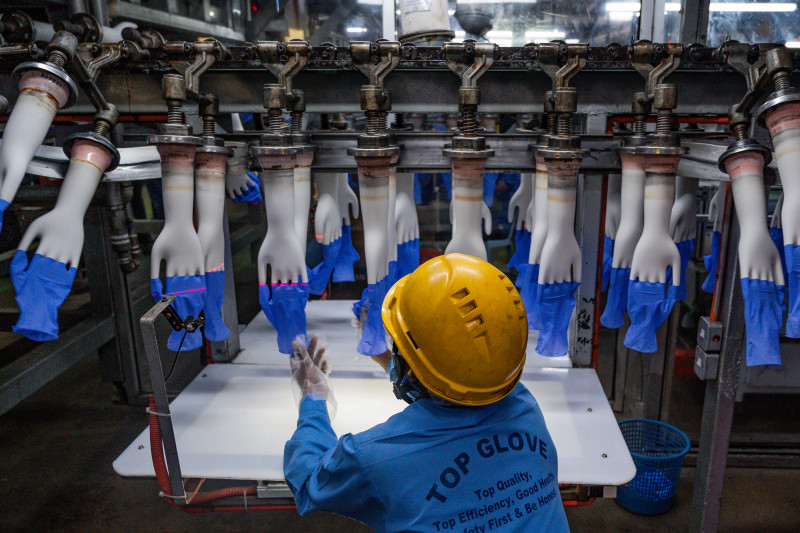
It should come as no surprise that a visionary company like Top Glove – named one of the winners in the Brand of the Year for 2020/2021 at the World Branding Forum in London – has increased women participation in its board. Top Glove is the world’s largest manufacturer of gloves, with 47 facilities in Malaysia, Thailand, Vietnam and China.
Traditionally perceived as the stomping ground of men, this manufacturing company listed on Bursa Malaysia and Singapore Stock Exchange believes that the natural way forward in charting a new path across new norms is to embrace the reality that women add invaluable diversity and significance to the success of a company. Top Glove increased the participation of women in its board from one in 2001, to three in 2015, and now five (41.7%) out of its 12-member board are women, surpassing Bursa’s target of 30% women on the boards of corporations.
Not only has Top Glove increased participation of women, it also added two extra board committees – on a par with global best practices – that are chaired by women, namely on risk management and sustainability. Also, its Nomination and Remuneration Committee is also headed by a woman.
From a well-known barrister to an accomplished investment banker, to a highly regarded economist and architect, as well as a computer scientist, the women on the board of Top Glove are setting a new trend in the Malaysia-based global company. These women are front and centre in taking a manufacturing company to its next echelon of growth, not just in this country, but internationally.
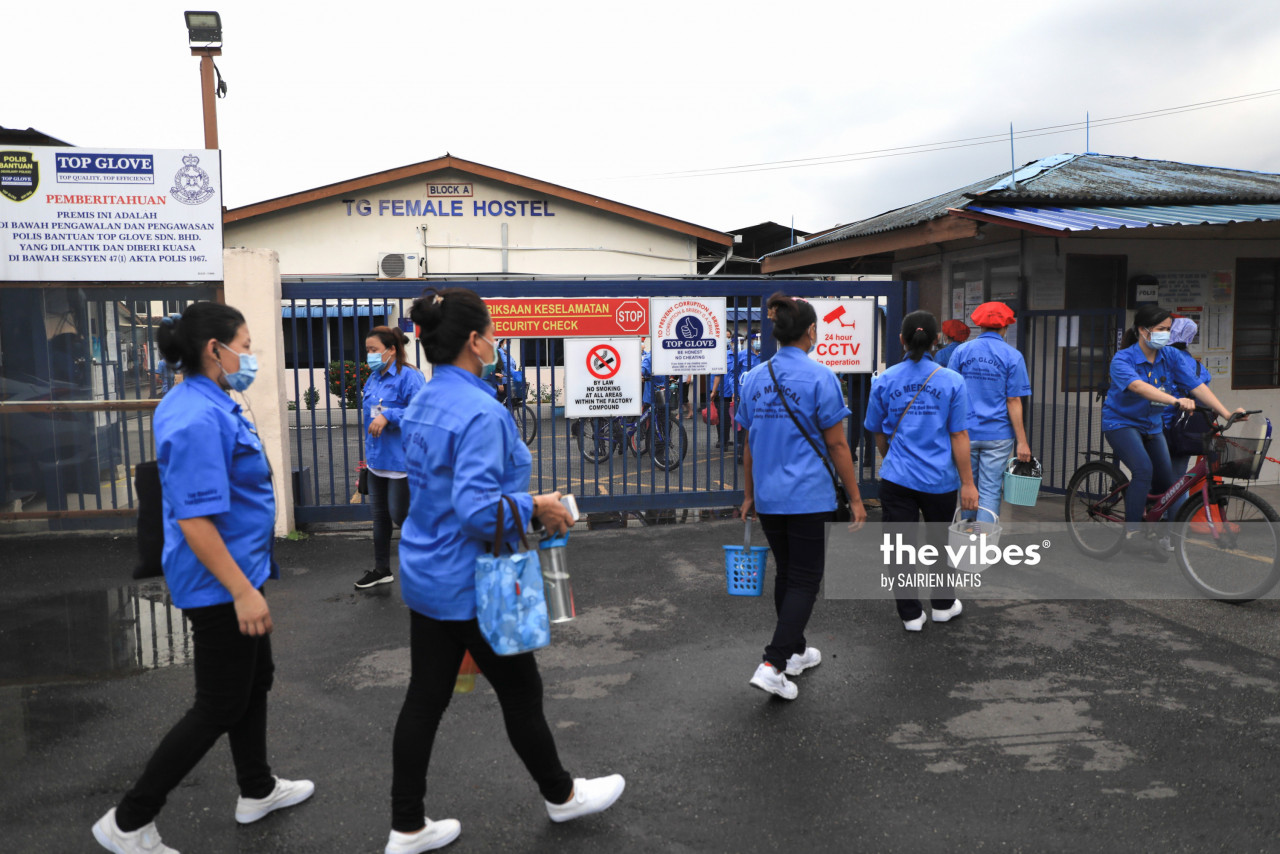
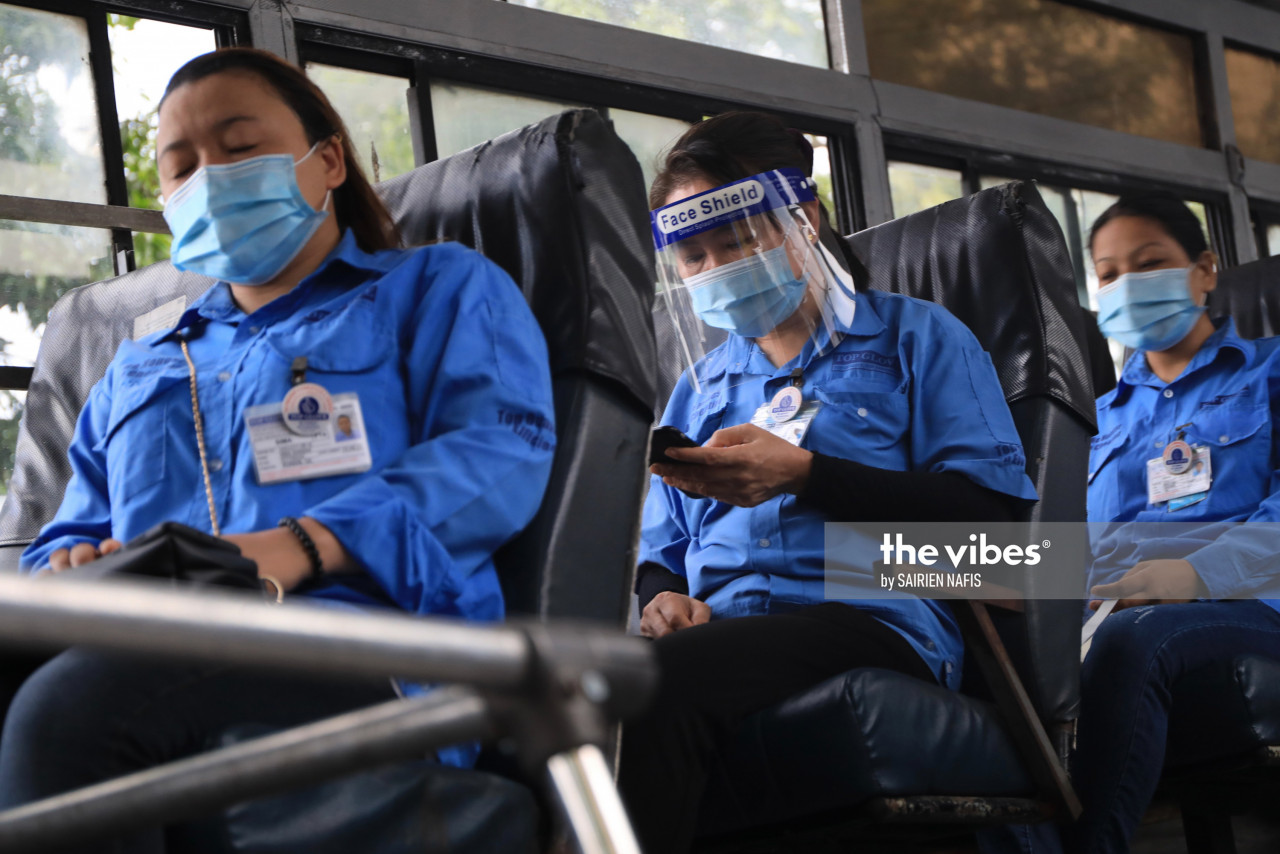
Further, in its annual report last year, Top Glove shared that 53% of its staff members in leadership positions are women. So, the whole notion of men on factory floors is a misnomer where Top Glove is concerned. It is not just making waves, it has broken the glass ceiling beyond the targets set, and it is not alone, I hasten to add. Many more Malaysian firms are heading in this direction. We need more women in leadership roles in our corridors of power, the civil service and among our legislators.
This year’s theme is: “Women in leadership. Achieving an equal future post-pandemic”. I cannot but ask why “women in leadership” continues to be topical in a pre- and post-pandemic, pre-, during and post-modernised worlds. Are words like “empowerment” and “gender bias” new terms? Or have these realities always existed only clothed in different monikers and expressions? Why the continued reservations about women in leadership, when in countries like Malaysia, for instance, we have more women in tertiary education than men?
A day such as this tells us that over half of the world’s population is still grappling with gender roles set within the realms of a world that is supposed to provide for both. Within the post-modernised world of the 21st century, within the remits of a world that prides itself on automation, sustainability and many more such buzzwords, how can any civilisation – never mind the one in which we live – sustain the doors of success when one half of its population is still fighting for space, requiring quotas so that they can claim their rightful place, and defining ownership of their status in the society in which they live?
Why are we still not convinced of women in positions of responsibilities, when we inadvertently trust them to carry us in their bodies when we did not even know the world? We trusted them to feed us, and, by and large, nurture us to adulthood. Yet, when it comes to the leather spaces of boardrooms and decision-making floors, they are scarce, almost non-existent. The World Economic Forum shows that countries with more gender equality are countries with strong and established democratic institutions. The core values of democracy and gender equality are therefore fundamental to reducing corruption and enhancing sustainable development, and the well-being of a family, company or nation.
Last year, roughly 8% of all Fortune 500 companies are led by women, raising the number of women leading Fortune 500 companies to 41 by the end of the year. This is an improvement from the 33 companies in 2019 and 24 in 2018. 20 years ago, there were just two companies on the list that were run by women. These numbers are staggeringly low for a 21st century reality.
The hand that rocks the cradle should be the hands that rule the world, too. My brother often says that my mother would make an awesome finance minister and my aunties would make great CEOs. Alas, they never had the space, never mind the opportunities, to venture down those paths. If we encourage more women to take up important leadership positions unreservedly, maybe, just maybe, we will all see a different world to the one we live in today.
Our grandmothers, mothers, daughters, sisters, wives, daughters-in-law, sisters-in-law, granddaughters, aunties and nieces, they all shape our value system directly and/or indirectly. They and the many women who have gone before us have moulded the very value system we bring into the lives we live today. If in our souls we believe it is the moments with these women that shaped us, then we each must open the heavy doors of opportunities to women from all walks of life, even when we may grapple with silent gender biases and preconceptions. We must create opportunities by ensuring the square pegs fit the circle and not use that as an excuse to exclude. We must thrive on differences and diversity. We must honour, not in the name of tokenism and quotas, but rather that half of the population of this civilisation has equal responsibility in building a strong civilisation.
Why? In the final analysis, the bell does toll for all of us, not just some of us. In it also, we cannot have sustainable success in any civilisation when one part of it continues to grapple its worth every year. – The Vibes, March 15, 2021
Firoz Abdul Hamid writes in her free time. She has done a lot of work in public and private sector transformation