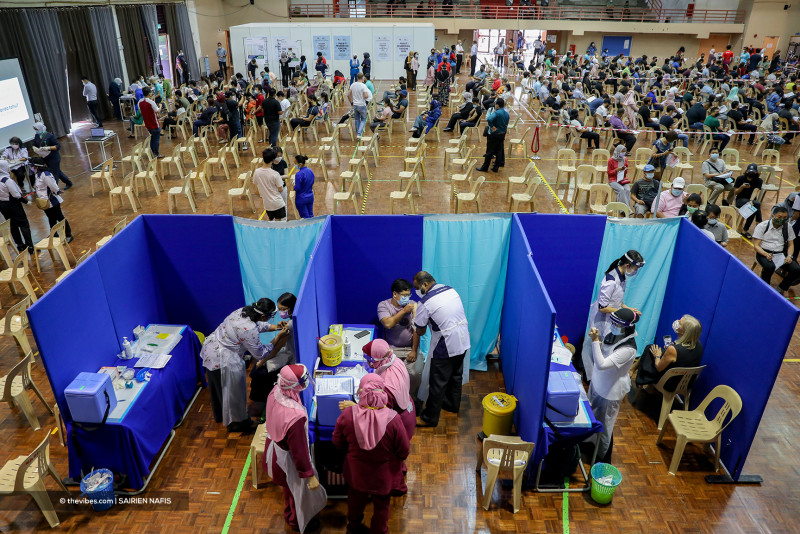
COVID-19 vaccine hesitancy has emerged nationwide, with about 8,000 people cancelling their appointments for shots on the MySejahtera app, mainly due to the misconception about Covid-19 vaccines they received from the internet or any other mass media.
It was as soon as the government announced that the AstraZeneca Covid-19 vaccine will be given to those who want it. This had led to the government announcing the opt-in programme for the jabs in Kuala Lumpur and Selangor, launching bookings for appointments on May 2.
Public confidence could be observed when the available slots were fully booked by Malaysians within three hours of its opening. More vaccines are expected to arrive in Malaysia in the upcoming months to be administered to the population in a bid to achieve herd immunity.
Compulsory vaccination
Currently, Covid-19 vaccinations in Malaysia are on a voluntary basis and individuals have to fill in consent forms to receive such vaccination. At the time of writing, there is no law or statutory provision mandating the vaccination or allowing the employers to compel employees to be vaccinated, unless there is such condition or term of employment to this effect in the employment contract.
However, employers may decide not to bear any cost of Covid-19 related test or treatment for the employees to encourage employees’ vaccination against the virus. Employers may even provide certain financial inducements as an encouragement for employees to be vaccinated. Employers may also take proactive steps to keep employees informed of the importance of vaccination for a safe working environment.
Employees’ freedom of choice, employers’ obligation to workplace safety
Ensuring workers’ health and safety is the duty of employers. The Occupational Safety and Health Act 1994 necessitates that employers ensure they have in place reasonable safety precautions and steps implemented to mitigate the potential risk of Covid-19 transmission.
Employees may potentially refuse to be vaccinated and such refusal may stem from concerns with regards to the side effects or efficacy of the vaccines. Some employees may even refuse to be vaccinated on grounds of religious beliefs.
What happens when some employees refuse to be vaccinated when the majority of the employees have undergone vaccination? Such refusal from employees may compromise the employer’s legal obligation to ensure a safe workplace.
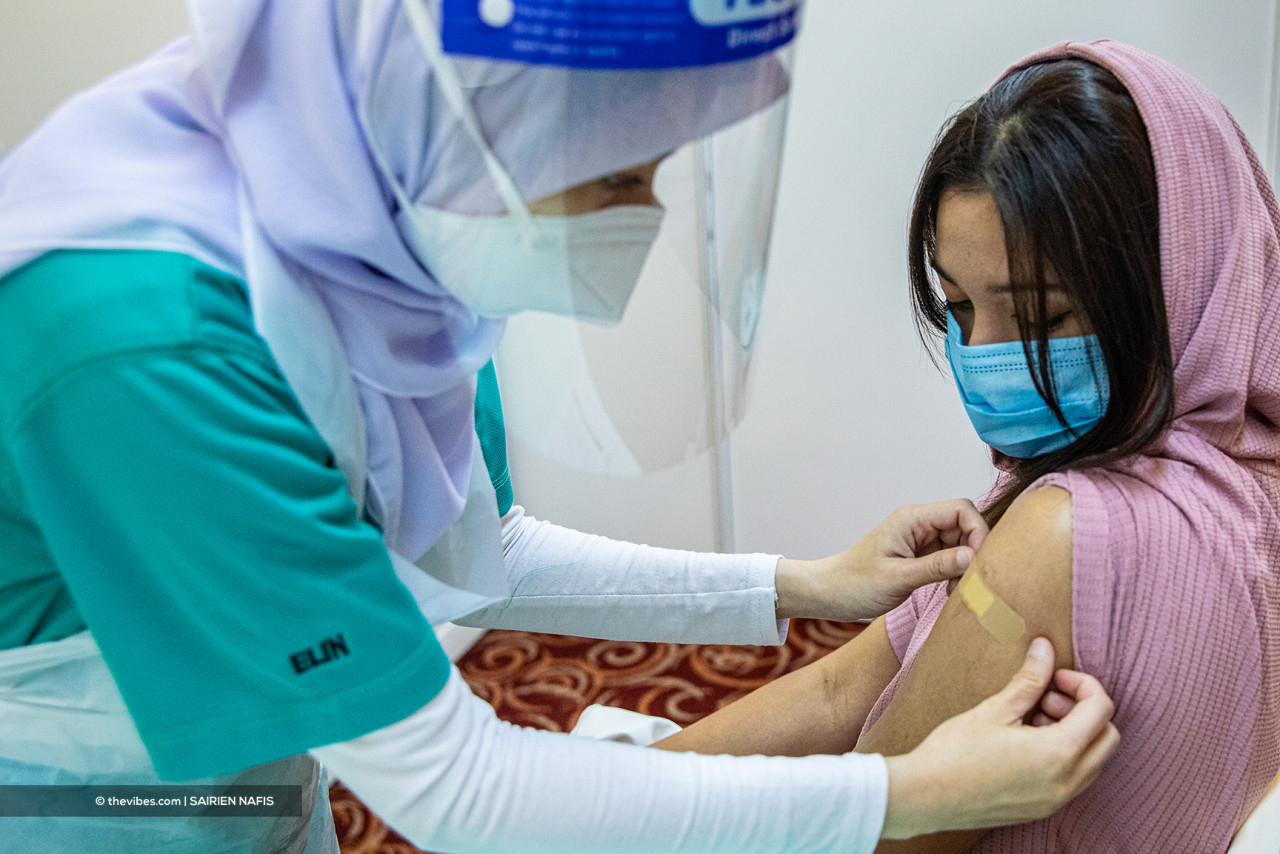
Employees are reasonably expected to obey any legitimate orders of their employers. Therefore, employees who decline vaccination without legitimate reasons may amount to an act of insubordination or wilful disobedience of the employer’s instruction.
The flip side of the coin is that employers may be deemed to have breached said act when the employees who were forced to get vaccination suffer adverse side effects, medical conditions or death. Employers should consider reassigning or redeploying employees who refuse vaccination to other positions in the organisation which would limit their contact with other employees.
The employees’ right of autonomy ought to be balanced against the obligation to provide a safe working environment. However, refusing vaccination may not amount to a just cause or excuse that warrants the dismissal of an employee.
Covid-19 vaccination paid leave
Employers cannot stop workers from keeping their vaccination appointments, according to Science, Innovation and Technology Minister Khairy Jamaluddin. However, there is no mandatory paid leave for vaccination and paid leave for vaccination shall be at the discretion of the employers.
The government is also unable to declare a special holiday for vaccination as it will not be carried out on the same day for all employees. However, the Human Resources Ministry has urged employers to provide time-off for employees to be vaccinated because the vast majority of Covid-19 clusters are from workplace infections. Employers will suffer bigger losses in the long run if their employees are infected with Covid-19 compared to giving them paid time-off so that herd immunity can be achieved.
Employers play a crucial role in Covid-19 vaccination and to finally end this pandemic.
Leonard Yeoh is a partner and Pua Jun Wen is an associate with the law firm, Tay & Partners


.jpg)

.jpg)