SINCE the beginning of 2018, in its effort to stop the country from becoming a dumping ground for unprocessed and contaminated plastic waste, China implemented the National Sword Policy, imposing a ban on the import of all unprocessed plastic waste/scraps, which created a different kind of chaos in the global plastic recycling market.
Millions of tons of unprocessed plastic waste from developed countries were stuck in their own countries looking for alternative dumping grounds. Malaysia, Thailand, Vietnam, Indonesia, the Philippines, and other Asean countries were the main targets.
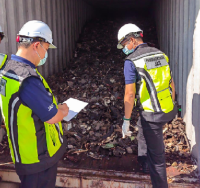
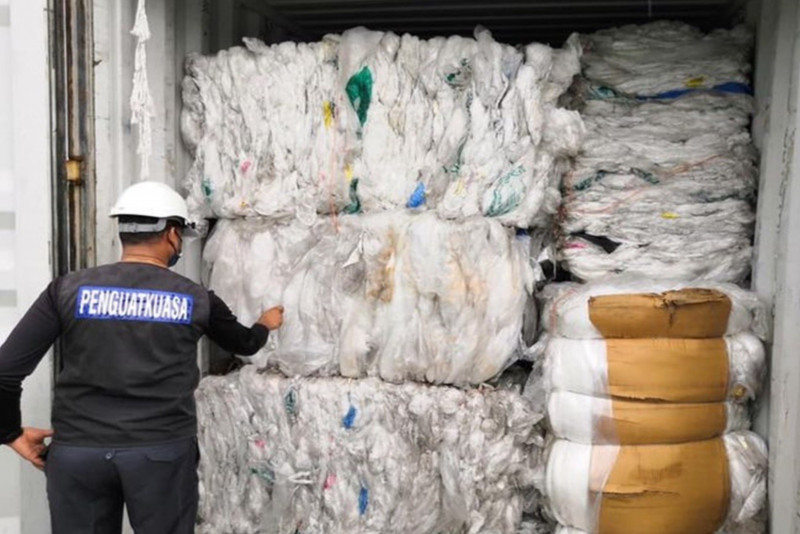
Despite the Malaysian government taking proactive steps to ban the import of these plastics, a surge of illegal plastic imports still found its way into the country, which became one of the many dumping grounds in Southeast Asia for developed countries.
In 2019, the Malaysian authorities had managed to shut down over 170 illegal recycling factories in a series of high-profile raids. However, Malaysian importer companies with approved permits are allowed to continue to bring in uncontaminated plastic waste. This only makes up a smaller portion of Malaysia's total plastic waste – the bulk being from domestic consumption of single-use plastics.
What are the biggest problems or gaps in the way Malaysia currently manages its plastic waste? The lack of synchronicity between industry players and government authorities presents a major problem in the way Malaysia manages its plastic waste issue. And although there are policies in place, the lack of enforcement greatly affects how plastic waste is handled and treated here.
What effects does this have on the environment, economy, and industry? With the lack of enforcement, a surge of informal illegal collectors have sprouted, affecting the collection and proper treatment of these plastics.
Additionally, the improper storage and leakage of untreated plastics waste into the environment is causing pollution and endangering wildlife.
What are the solutions, in terms of national policies and personal behaviours?
As the global movement to protect the planet against spiralling plastic production continues to gain momentum and the industries responsible for its production face new heights of scrutiny, a new plastics opportunity has emerged for businesses to both create value and drive more sustainable practice simultaneously.
If regulatory and voluntary measures prioritising recycling and recovery can also be aligned with sustainable innovation and new technological advancements, this will reduce plastic waste into landfills and increase recovery rates.
This can be realised through a fusion of public sector collaborations to create effective policies, coupled with self-regulated industry standards, which would then result in improved recycling rates and easier resource recovery.
The Housing and Local Government Ministry announced the formulation of the National Cleanliness Policy that identified extended producer responsibility (EPR) schemes as one of the key drivers for the adaptation of a circular economy in the industrial sector.
The Economic Planning Unit of Malaysia had also proposed the adoption of an EPR scheme in the 12th Malaysia Plan (RMK12) 2021-2025.
Some private organisations have also started incorporating circularity into their products and packaging by switching to recyclable and recycled materials into their packaging materials.
What does it mean/look like for multiple stakeholders to “share responsibility” for better plastic waste management?
In 2018, the Ellen McArthur Foundation and United Nations Environment Programme announced the New Plastics Economy Global Commitment, where many major public and private sectors are now advocating for a circular economic model that closes the loop on plastics production and encourages innovative reuse.
Earlier in 2000, Malaysia implemented a policy that banned the import and export of used paper cartons, old newspapers, and paper products, requiring newsprint and paper product manufacturers to rely on locally collected old newspapers, paper cartons, and other used paper products.
Also, any shortfall required by the manufacturers meant obtaining the necessary permits from the government to import. This led to a successful circular economic model, although most of the players in the collection and trading of the used paper are informal and not regularised.
A similar model and other successful models from developed countries may be implemented for the plastics industry.
Not all plastic scraps can be recycled, especially those with low-quality plastic waste generated due to lack of public awareness and participation. Such plastics are best disposed of at a waste-to-energy facility, as it has a high calorific value for heat and power generation.
Is there anything standing in the way of implementing these solutions? Yes: a lack of policy, enforcement, willingness, facilitation, and budget to implement a sustainable plastic circular economy from all stakeholders. – The Vibes, June 24, 2021
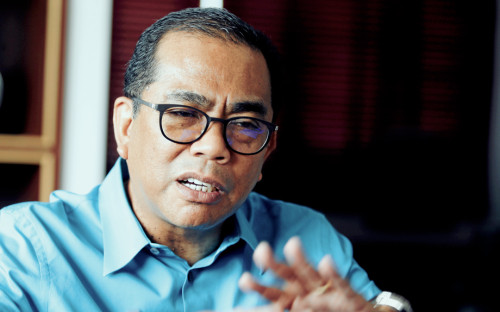
Ho De Leong is the chairman of the Waste Management Association of Malaysia, an association for waste management professionals many disciplines, including engineering, law, science, as well as management