
PLASTIC recycling was thrust upon me a couple of years ago when an old friend asked me to help him to better market his recycled plastic resin. I had to plunge myself into a topic that I knew little about but was seemingly simplistic (“recycling”). I discovered that it was hugely complex, encompassing waste management and recycling, both areas that have an intricately complicated relationship with our modern life.
What I discovered thrilled me: on one hand, recycling seems stuck in Dickensian times; on the other hand, the potential for growth, innovation and subsequent economic opportunities are enormous.
Recycling, in itself, is a simple matter. For example, one of the easiest materials to recycle is metal: clean it up, melt it down and reshape it again. Paper is also relatively straightforward to recycle but it uses a lot more water, not just for cleaning but also for separating the fibres and recombining them again. Recycling plastic is, at a cursory level, not much more complicated: clean it up, melt it down and, with a bit of pressure, reshape it into something new. I may be oversimplifying a bit but essentially, recycling of the material is the easy part.
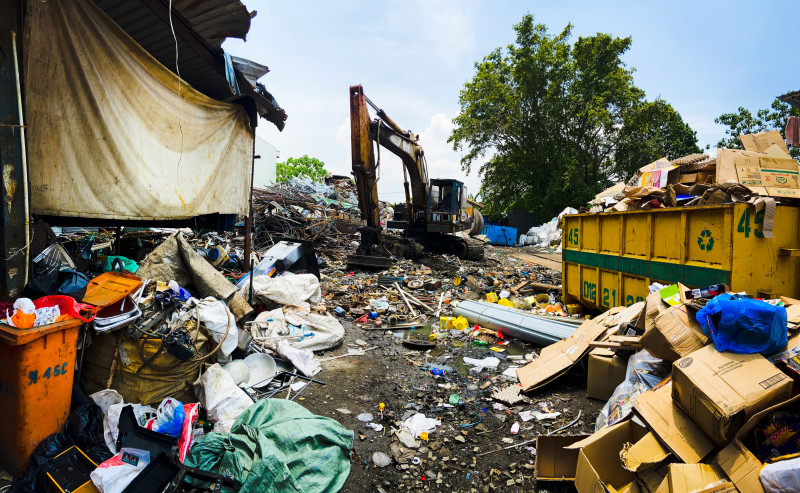
The difficult part is the rest of the supply chain: collecting, sorting, washing. We urbanites probably have little to complain about when it comes to rubbish collection – the frequent and regular rubbish pick-up makes our stinking, horrible, sometimes even leaking rubbish bags go away and we don’t think about it until we bring another bag out. Collection is a very dirty job, and I would be prepared to bet that no one grew up wanting to be a rubbish collector. This makes rubbish collection undesirable and any undesirable job generally becomes very expensive when it must be done.

A key part of recycling is sorting: separating one material from all the other types of material, as well as, in the case of plastic, sorting it according to each type and colour. While some relatively high-tech machinery exists to sort plastic, most sorting work still must be done manually. Existing technology, such as the use of artificial intelligence (AI), is not yet able to identify and handle different plastic materials as well, or as fast, as a human can.
You might think that washing would be the easy part, but you would be wrong. And, thank goodness for that because most countries have strict environmental protection laws in place that ensures the cleanliness of water coming out of factories. The fact that those laws are sometimes not strictly enforced is another matter. So, for any plastic resin to not smell of rotting rubbish, the original waste plastic has to be washed thoroughly. This is easier said than done if you do not have an infinite amount of water at your disposal, with the inevitable pollution of that water.
Because of all these challenges, the market for recycled plastic is greatly limited. Very few recyclers can achieve the level of cleanliness and quality output that plastic manufacturers expect to get because they have virgin plastic as an alternative.
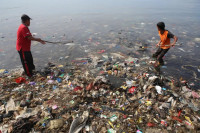
However, we must reduce the use of virgin plastic. The amount of virgin plastic entering the ecosystem annually is reported to be at 350 million tonnes a year in 2015 and increasing. With only 20% of it being recycled, how much more plastic can the world take before we start choking on it? Indeed, there is a lot of evidence of wildlife literally choking on plastic as they mistake small colourful plastic pieces for food.
There are applications where the reduction of plastic use is possible: reducing packaging material, replacing plastic with wood, or metal or glass in some consumer items. But realistically, we are not going back to the days when plastic did not exist. As a material, plastic has significantly propelled human civilization forward, especially when it’s used for the preservation of food, medical applications and, even, transportation (where vehicles are now much lighter because of plastic components).
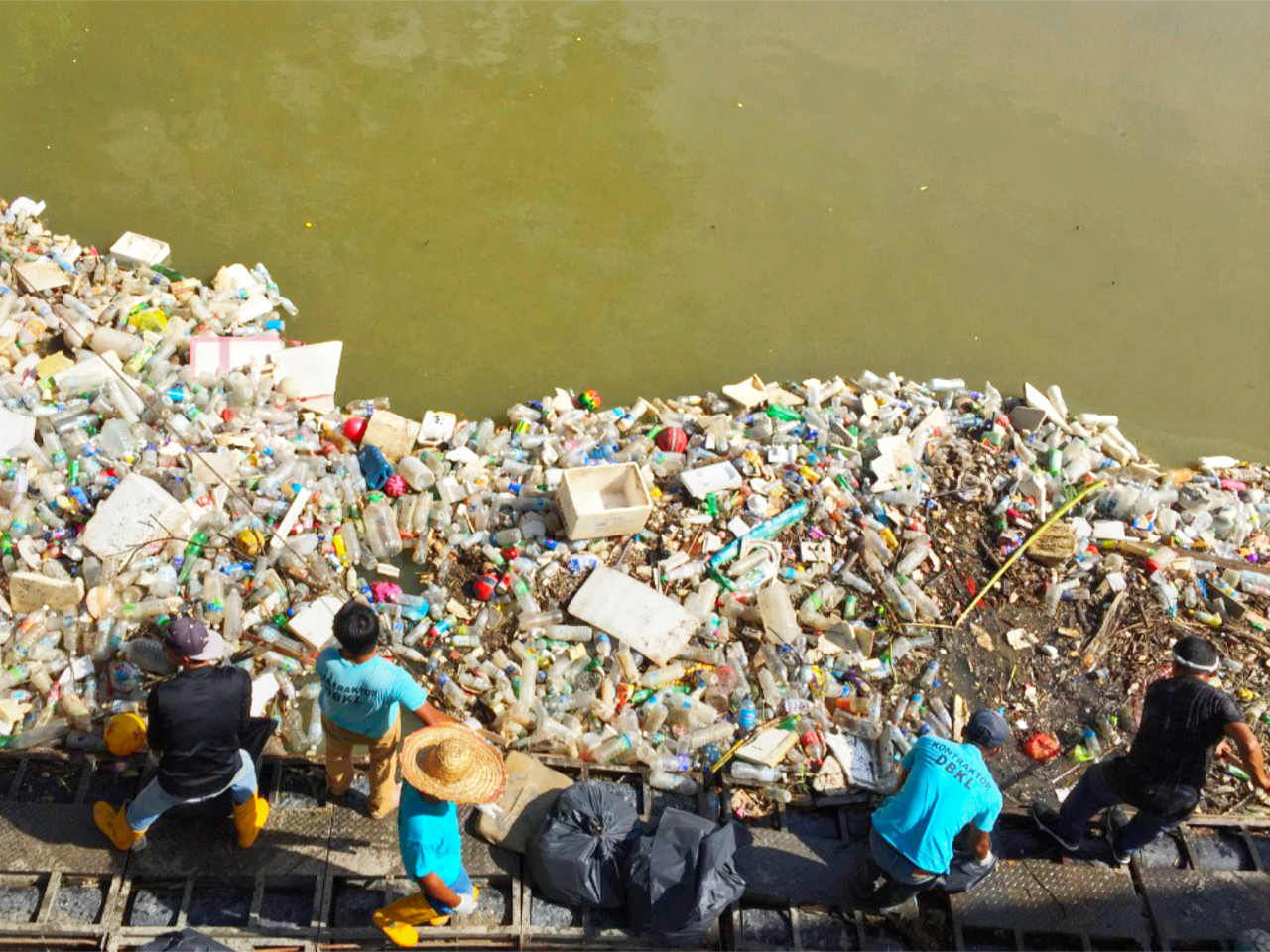
For us – occupants of this closed-loop system called Earth – to significantly reduce the amount of plastic entering the environment and still retain the convenience and ease of modern life, we must recycle plastic at a much, much higher rate. Recycling must address at least a large portion of the 350 million tonnes entering the ecosystem to reduce landfill, slowly fill our oceans and ultimately, microplastic that chokes up our food system.
As I said in the beginning, in most countries, recycling technology is stuck pretty much in Dickensian times with a few exceptions, for example, in Japan, Germany and Sweden. In the Asia Pacific, numbers are hard to come by because recyclers tend to be shy about being recyclers. Local governments tend not to see recycling as a legitimate competitor to manufacturing or the IT industry. One source states that, in the Asia Pacific, the plastic recycling capacity is only 700,000 tonnes per year. If accurate, this number is too small to seriously address the needs of the plastic industry, even if the likes of Coca-Cola and Nestle are willing to use recycled plastic in their packaging. And that’s not even looking at quality issues.
I like to compare waste plastic today to the petroleum of 200 years ago. Petroleum 200 years ago was a dirty, smelly, toxic, dangerous, sticky hot mess of a gunk that few people knew how or liked to handle. But with the application of scientific knowledge, R&D, investment in infrastructure, human talents, etc, petroleum transformed the world economy, made billionaires and generated industries upon industries that derived products from that “repulsive” material.
Waste plastic can be the same: there are certainly some challenges to overcome but these are engineering problems. With the right investments in the right places, waste plastic is a “natural” resource waiting to be extracted, at a much lower cost to Mother Nature and to a much larger benefit to mankind.
Unlike petroleum, we don’t have to wait 200 years. The speed of change and innovation today is much faster. Right now, there is no global player in plastic recycling. There is still a chance to be the first mover. – The Vibes, July 1, 2021
Mooreyameen Mohamad is chief sustainability officer of PETRA Group