THE pandemic has taught everyone new lessons on how to coexist with Covid-19. This cannot be more profound than at the levels of local authorities or local governments in our country.
There are 155 local authorities or local governments in our country. They are at the lowest tier of the government-administered bodies under the states and federal territories, which in turn are beneath the federal government.
Local governments are generally under the exclusive purview of the state governments as provided in the constitution, except for local governments in the federal territories.
The Housing and Local Government Ministry plays a role in coordinating and standardising the practices of local governments across the country.
The local authorities have the power to collect assessment tax, create rules and by-laws, and grant business licences and permits in their areas of jurisdiction, as well as provide basic amenities – this is in addition to collecting and managing waste and garbage as well as planning and developing the area within its borders.
The local authorities must evolve with the changing environment. Shopping, eating, logistics, work, schools, weddings, religious practices, banking, sports, and even the movement of people have been contained or controlled. The local authorities must review their approaches towards their taxpayers and make drastic changes to their current practices and methods.
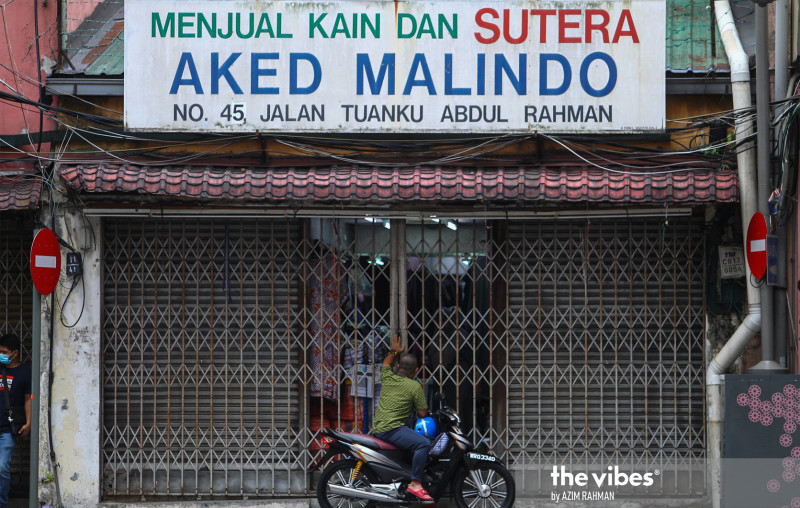
The business sector is badly affected. Hawkers and markets, whether in the night or morning, have all been badly hit. The current practice of issuing licences for business and compounds when they fail to comply with guidelines is obsolete.
The local authorities must play a pandemic-friendly role – reduce business licence rates, designate proper locations for traders to set up their stalls, and build more hawker centres that encourage and provide social-distancing-friendly and hygienic conditions.
Sundry shops, supermarkets, and all the traders who trade within housing areas should be allowed to display their goods along the footpaths outside their respective premises. This is to help boost their sales after the long lockdown lull. Set a timeframe for this move, i.e. six months, after which the local authorities can issue summonses to them if they cross the deadline. Goods must also be displayed neatly and in an orderly fashion. Issue the sellers with compounds should they fail to comply with the provided guidelines.
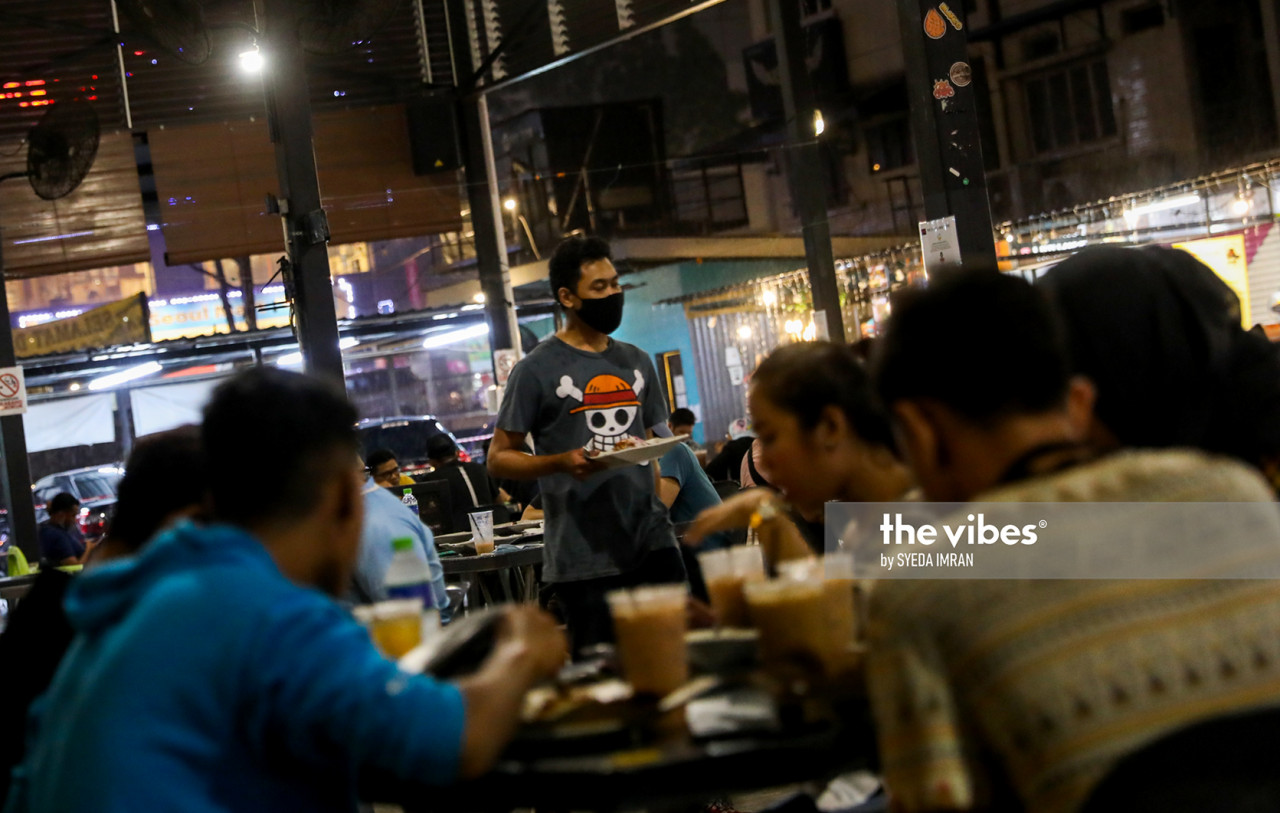
Summonses and compounds aside, the local authorities must support and help these traders boost their sales in order to make up for their big losses during the pandemic lockdown. Likewise, restaurants and food outlets also need encouragement to recoup their long-lost revenues; allow them to extend their business hours and place extra tables and chairs in front of their outlets to welcome more customers, thus increasing their income.
Again, the local authorities can provide a timeframe and clear guidelines for this situation. Provide more opportunities for the setting up of new businesses such as logistics, food preparations, delivery, locksmiths, cobblers, motorcycle repairs workshops, florists, packing, and barbers. Encourage such moves by informing and offering aid to the respective local potential small traders to venture into new business; the local authorities can even provide a list of new businesses that can be launched with the local authorities’ full support.
The local authorities should also focus on B20 and B40 residents. The local authorities must spearhead the initiatives of the NGOs and individual donors by first identifying the target groups affected by the pandemic and then arranging the assistance and support needed for them on a sustainable basis.
Today, there is no one agency coordinating support for the B20 or B40 groups, especially in the local areas. The local authorities’ emergence to assist the B20 and B40, basically by coordinating and arranging, will truly help the federal and state governments in truly reaching out to the poor and needy.
Local authorities must speedily come up with measures to especially help families affected by the pandemic. There were cases where families could not even afford funeral expenses for loved ones who had fallen victim to Covid-19.
The local authorities, together with the local funeral parlours and undertakers, should offer aid and support to a worthy cause like this during the current pandemic. Such issues should be given fair and equal support, regardless of race and religion, as we are diligently paying assessment tax to the local authorities.
The recent case in Melaka that saw no gazetted place to conduct last rites or prayers for Hindus along the coastline is sheer ignorance and ignominious on the part of the Melaka government and especially the Melaka Historic City Council.
These are issues in which the local authorities must work cohesively with the people with no preference or bias to ethnicity or beliefs.
Another prevalent issue among all urban local authorities and city councils is the setting up of guardhouses and security systems for the residents and their homes. This has become a permanent fixture among the urban dwellers for the past 20 years, since police have failed in providing basic security to most residential areas.

Private security has quadrupled in most of the housing estates to date. For instance, in my township, my neighbours and I pay close to RM3 million annually to the security companies for their services. The local authorities can assist the residents by providing guardhouses with proper layouts and toilet facilities for the guards. Also, the local authorities can offer rebates on electricity and water usage for these guardhouses.
This will assist the residents and further enhance the working condition of the foreign guards who work around the clock; provide them with proper toilet facility and decent shelter from heat, rain, and the cold morning dew.
Local authorities must come out of their comfort zones and study these security issues in a holistic manner; come up with appropriate regulations to enhance the working conditions for the guards, and improve the well-being of the residents.
Recently, the Petaling Jaya City Council had ordered the demolition of security booths that had not been constructed as per the proper guidelines. This step by the local authorities may be good, but why has it taken them 20 years to mull over this issue?
The local authorities should meet with the residents and agree on the appropriate structure and guidelines for better-looking and durable guardhouses.
The local authorities must also work more intimately with those physically challenged and the old folk. Rather than spending millions on erecting buildings like Menara MBPJ, Menara DBKL, and high-rise/monumental office buildings for the local authorities and town councils, they should build more special needs schools, i.e. autism centres, handicapped school, and more state-run retirement or old folks homes.
The local authorities must move away from these brick-and-mortar buildings, which serve little or no purpose for the taxpayers, and build more useful and pragmatic homes for the needy, the old, and special children.
I was made to understand that Klang General Hospital needs more ambulances to transfer Covid-19 patients to other hospitals; the Klang Municipal Council can utilise its RM30 million in savings to support this worthy cause. Ill-stricken Klang dwellers must not be deprived of this basic facility for their greater well-being.
The third estate of every government is the local government or the local authorities. If this estate is vigilant, proactive and continues to serve in a most professional and dedicated manner, the ruling government will surely win accolades that will translate to votes.
The poor performance of the local authorities will also mean the government will tumble and suffer at the ballot boxes.
We need new dynamics and leadership at all the local authorities to ensure that it is not merely potholes, poor waste collection, floods, lack of streetlights, blocked drains, or uncut grass that the people worry over.
The people need new thoughts and action plans on the ground in view of the pandemic, now that we have to live with Covid-19. – The Vibes, October 16, 2021
The writer is a prominent community leader in Petaling Jaya