THE Human Rights Commission of Malaysia (Suhakam) in its recent mid-term report stated all shariah apostasy laws as discriminatory infringing Article 8 of the federal constitution.
It said:
Although Article 11 of the constitution is silent on whether freedom of religion in Malaysia includes the freedom to leave or change one’s religion, state shariah laws provide for shariah courts’ jurisdiction to make declarations that one is no longer a Muslim – and that criminalising apostasy only affects Muslims, and Muslims in certain states. Therefore, these laws may be incompatible with one’s right to equality before the law under Clause 8(1) of the constitution, especially when the consequential effects of a Muslim’s conversion to other faiths go beyond the permissible exception based on personal law under Clause 8(5)(a) of the constitution (for example, in changing the status or name on ICs, property titles, etc).
In absence of any lawful exception and rational classification, Suhakam finds that the state apostasy laws in Malaysia are discriminatory and more likely to interfere with the freedom of religion of Muslims.”
Suhakam’s position on the constitution is misleading and misconceived. Hence, Muslim Lawyers Association of Malaysia and the Malaysian Alliance of Civil Society Organisations in the Universal Periodic Review Process expresses deep concern with the commission’s manner of using unconventional and distorted legal interpretation to promote human rights.
This misdirected method will only foster deep division in society and bring the human rights movement in Malaysia into disrepute.
In its report, Suhakam clearly fails to appreciate the duality of laws laid down in our constitution. Despite being a majority in the country, Muslims are subject to both civil and shariah laws.
What this entails is that Muslims are being subjected to penal offences under shariah laws for conduct that non-Muslims are free to partake with impunity. Technically, this by itself is a form of discrimination based on religion and belief.
Duality of laws
This duality of laws is the product of a long history and forms an integral part of our constitutional compromise. Despite the outward appearance of unfairness, Muslims here do not mind being subjected to this duality of laws that have been in practice for the longest time since before independence. Truth be told, there are a sizeable number of Muslims who clamour for more shariah laws to be imposed on Muslims.
It is due to this deep cultural tradition that our forefathers expressly recognised this duality and embedded it in our constitution by deeming it not discriminatory infringing our constitutional rights.
Shariah penal offences are constitutional.
Article 8(2) of the constitution clearly states that “except as expressly authorised by this constitution, there shall be no discrimination against citizens on the ground only of religion, race, descent, place of birth, or gender in any law”.
Pursuant to the provision above, the constitution lays down various explicit exceptions in the constitution – in particular, Article 8(5) and the Ninth Schedule. Article 8(5)(a) stipulates that “this article (Article 8) does not invalidate or prohibit any provision regulating personal law”.
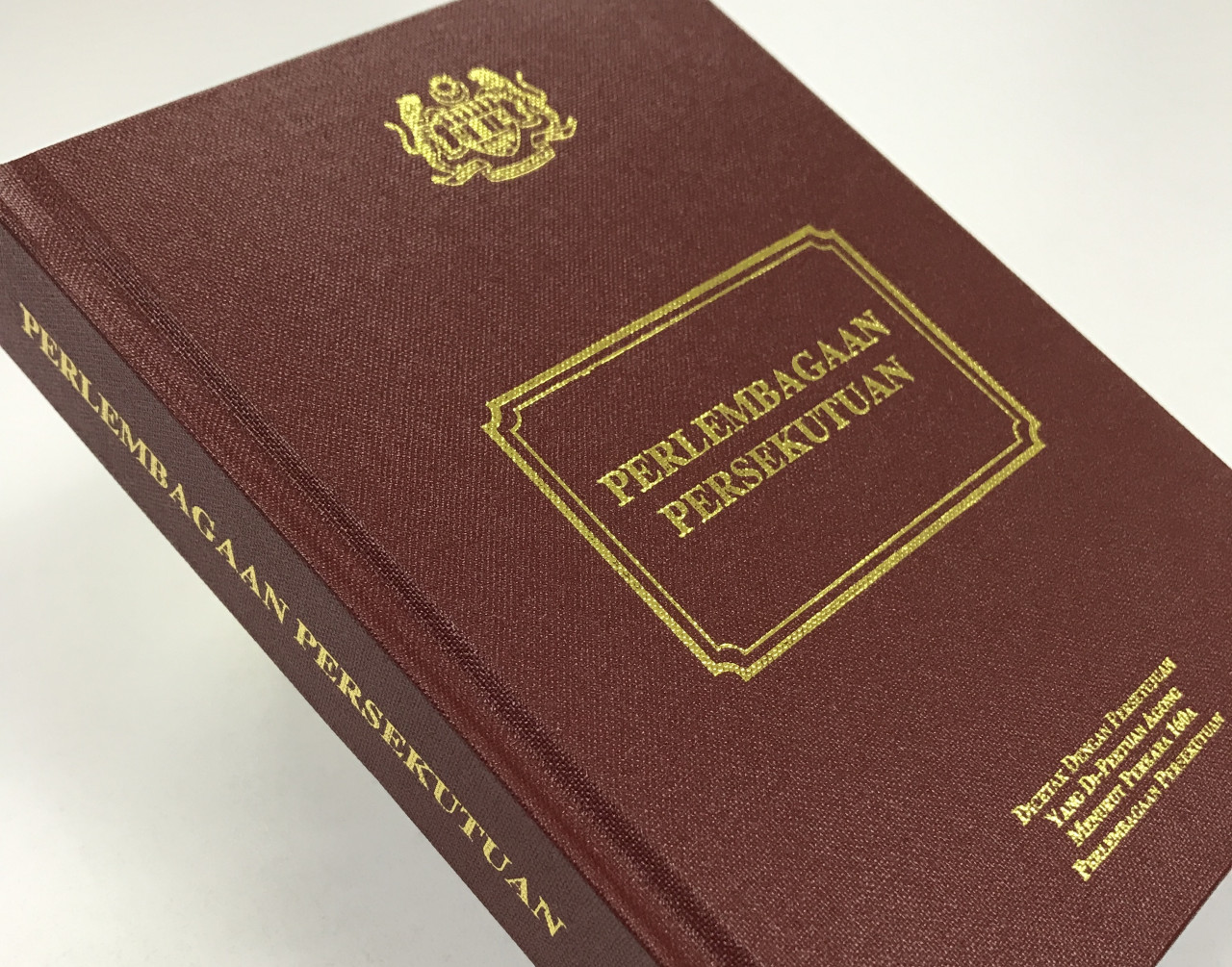
Briefly explained, Item 1 List II of the Ninth Schedule (State List) is a list in our constitution that comprises state shariah penal offences. It expressly empowers states to pass laws pertaining to the “creation and punishment of offences by persons professing the religion of Islam against precepts of that religion”.
It is through this legislative list that all shariah penal offences derive a source of authority. Any shariah penal laws enacted by any of the state legislature pursuant to the Ninth Schedule is valid, constitutional, and cannot be regarded as discriminatory infringing Article 8.
Thus, it is incomprehensible how Suhakam could have argued any shariah laws as discriminatory infringing Article 8, when Article 8(2) expressly states otherwise.
It also begs the question whether Suhakam, as a government agency, has sought the views of the Attorney-General’s Chambers in interpreting the constitution. Suhakam must be transparent on whether it has interpreted the constitution on its own frolic, or sought authoritative views from the attorney-general.
Macsa and PPMM call on Suhakam to uphold the constitution in promoting human rights in Malaysia. Using disingenuous methods to promote human rights would only create mistrust of Suhakam and the human rights movement. – The Vibes, October 30, 2021
Datuk Zainul Rijal Abu Bakar is president of Muslim Lawyers Association of Malaysia, while Lukman Sheriff Alias is chairman of the Malaysian Alliance of Civil Society Organisations in the Universal Periodic Review Process