AFTER reviewing the national budget for 2022, the 12th and 11th Malaysia Plans as well as other related studies and reports for water, energy and the environment, the Association of Water and Energy Research Malaysia (Awer) would like to highlight certain issues for the federal government’s consideration.
Rural water and electricity supply
Allocation for alternative electricity supply has decreased from RM35.6 million in 2021 to RM30 million in 2022. Allocation for maintenance and repair of the water treatment system under the Orang Asli Development Department had increased from RM8 million in 2021 to RM10 million in 2022.
As for rural water and alternative water supply, the allocation decreased from RM472 million in 2021 to RM382.34 million in 2022. However, the rural electricity supply has an increased allocation from RM215.6 million in 2021 to RM485.3 million in 2022.
Awer would like the government to audit the past two decades’ allocations for rural water and electricity supply and its actual achievement versus targeted output. It is important for Malaysia to identify cost effectiveness, obstacles and potential lessons learnt to ensure that future operation, maintenance and upgrading work can be done in a more effective manner.
Irrigation and flood mitigation
The Drainage and Irrigation Department (DID) under the Agriculture and Food Industries Ministry had a decreased allocation for irrigation works from RM111.96 million in 2021 to RM103.82 million in 2022.
The DID under the Environment and Water Ministry had an increased allocation to manage dams, flood warning systems and flood mitigation infrastructure from RM722.13 million in 2021 to RM863.27 million in 2022.
Awer would like to urge the government to streamline the projects’ implementations as flood mitigation work can assist irrigation activities and create an added value to the projects and optimise outcomes as well as cost.

Developing water resource allocation
Few ministries are managing development of water resources and there should be streamlining to ensure no repetitive projects. These agencies should also utilise flood mitigation projects to optimise water resources availability for their intended use as well as cost effectiveness of allocation.
Based on the current budget breakdown, the Agriculture Ministry was allocated RM24.5 million in 2021 and RM18.3 million in 2022 for developing water resources. The Environment and Water Ministry on the other hand had an increased budget for this purpose from RM6.06 million in 2021 to RM12.7 million in 2022 for a project that is estimated to cost taxpayers RM97.5 million.
The Energy and Natural Resources Ministry was also allocated RM24 million in 2021 and RM5 million in 2022 for the same purpose but focusing on groundwater. Unfortunately, this project with code number 11900 (Kajian Sumber Air Tanah Negara) had discrepancies in the reporting of actual expenditures and total estimated project cost since Budget 2016.
For example, the estimated project cost has increased from RM68 million for Budget 2016 to RM113.5 million for Budget 2018 and further increased to RM129.5 million for Budget 2021.
It is almost double of the original estimated cost. Awer would like to urge the auditor-general to audit this project under the Energy and Natural Resources Ministry.
River management and rehabilitation
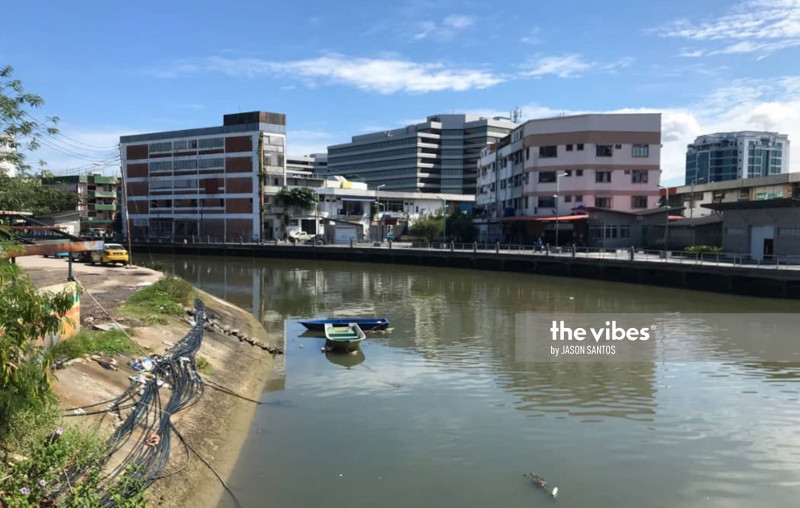
The DID is allocated RM116 million in 2021 and RM332.84 million in 2022 for river and drainage management as well as rehabilitation. The Federal Territories Ministry was also allocated RM10 million for 2022 to carry out river rehabilitation projects.
This ministry also manages River of Life (ROL) project (and sewerage work) that has a total project cost amounting RM7.7 billion. Allocation for ROL and respective sewerage projects is RM130.14 million in 2021 and RM225 million in 2022.
It is high time to audit the ROL project against its original objectives and outcomes to ensure allocations are not wasted. We urge the auditor-general to begin auditing the ROL project immediately.
Anti-palm oil campaign
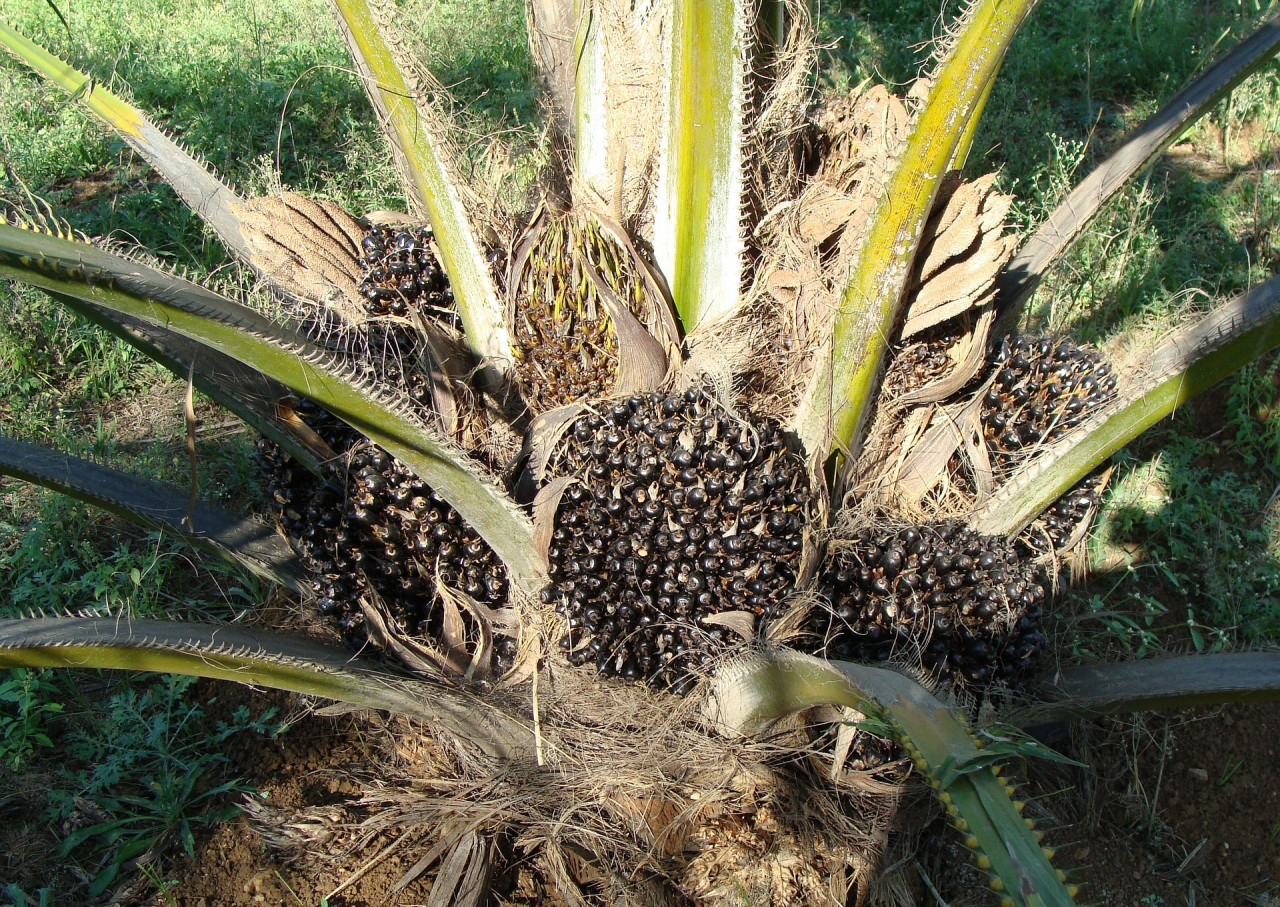
RM20 million is allocated to fight the anti-palm oil campaign for 2022 and a total of RM47 million is already allocated for both 2020 and 2021. Awer is perplexed that such a huge amount (RM67 million) is wasted on campaigns.
If the government has invested this amount in research and development as well as a team to carry out Life Cycle Assessment (LCA) for palm oil and other edible oils, we will have solid data to conduct relative comparison. If the data favours palm oil, Malaysia can go to court and overturn bans against palm oil more effectively. Biofuel will play an important role in taking up market share of primary energy input in the near future. Thus, it is vital to improve the strategy to protect palm oil products.
Electricity cost in 2022
Electricity subsidy allocation is reduced from RM80 million in 2021 to RM78 million in 2022. Due to the volatile energy resources supply market, fuel cost is expected to increase. This is due to the supply-demand situation and Organisation of the Petroleum Exporting Countries’s cartel decisions.
The supply situation will also be affected by net-zero commitments and limited transition fuel supply during a bottleneck situation. To add salt to injury, electricity reserve margin in Peninsular Malaysia is extremely high due to the Energy Commission’s failure in carrying out its function as a regulator.
In 2022, it is also expected to have an increase of 800MW of renewable energy supply. How is the government planning to manage an increase in electricity tariff due to increase in system cost caused by high reserve margins, on top of other external factors?
Water services industry
Water supply is allocated RM340.43 million in 2021 and RM233.35 million via direct funding and RM467.42 million via loan in 2022. Therefore, a total of RM700.77 million is allocated for water supply in 2022. As for the national non-revenue water (NRW) project that costs RM1.91 billion in total, RM209.35 million was allocated for 2021 and RM300 million allocated for 2022.
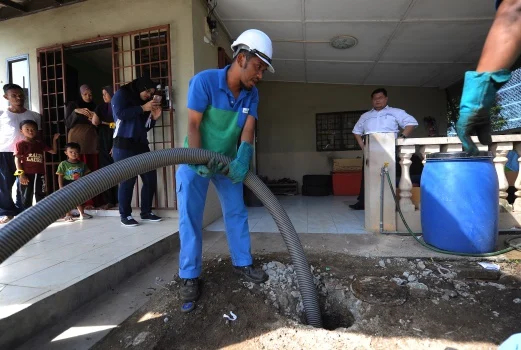
However, Awer would like to reiterate that NRW reduction is an operational efficiency, and it is not part of green technology. On the other hand, a national sewerage project that has a total bill of RM10.02 billion is allocated RM764.27 million in 2021 and increased to RM817.52 million in 2022 that is divided into RM489.32 million direct funding and RM328.20 million loan. Indah Water Konsortium (IWK) is allocated RM110 million for 2022 which is the same as 2021.
Based on National Water Services Industry Restructuring (NWSIR), all water operators needed to be consolidated under a single company within the state and government water agencies were required to be corporatised.
This is an important move to ensure transparency. IWK needed to be ring-fenced into state-based entities by 2010 and begin merging with state water companies in stages between 2011 and 2015. This move will merge the water treatment, water supply and sewerage services under each state to improve operational viability and sustainability for Peninsular Malaysia and Labuan.
IWK and the ministry in charge of water did not follow the implementation of the 9th, 10th, and 11th Malaysia plan. NWSIR uses the Water Services Industry Act 2006 model that was born after a constitutional amendment approved by the Conference of Rulers and Parliament.
The predicament the water sector is facing now is the incompetent and “vested interest” human capital. Thus, it is imperative for the government to acknowledge this serious situation and make immediate corrective action so that allocations are put into optimised usage.
Net-zero by 2050
The government’s commitment towards net-zero by 2050 means that every operation, service and goods will be evaluated by the global warming potential measurement to reach a net-zero situation and solve climate change only.
Thus, establishing a voluntary carbon market in Malaysia only shows that the government does not understand what is at stake in the coming 29 years. Water, energy, and resources intensive industries (Werii) will not be environmentally friendly, and the emission will be absorbed into all goods and services that are involved in their supply chain towards the downstream.
If we improve the inputs and the operations of Werii, the whole supply chain will benefit. Thus, it is more important for the government to prepare and develop proper transition solutions as well as important infrastructure upgrading and development to meet the net-zero targets.
We urge the government to use data and science to implement net-zero initiatives as there will be new toxic problems that will hit the world like a tsunami in coming the decades with serious supply-demand issues and inequality. – The Vibes, November 1, 2021
Piarapakaran S. is president of the Association of Water and Energy Research Malaysia