MALAYSIA is usually prepared for the seasonal floods on the east coast with the normal monsoons this time of the year.
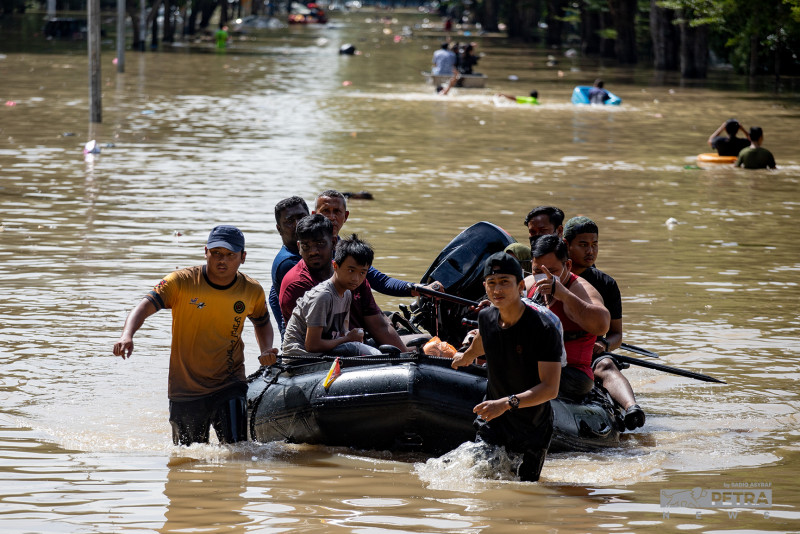
However, what was rather unexpected were the massive floods that hit the Klang Valley most seriously this time around, due to phenomena such as Tropical Depression 29 in the region and the effects of Super Typhoon Rai that hit the Philippines.
It is true that rainfall was unusually high in parts of the country, but what this shows is that we must prepare for such unexpected events which are likely to happen more often with greater frequency due to the adverse impacts of climate change.
Unexpected extreme weather events have become more commonplace the world over, and concerns have arisen on the need to focus on adaptation and building climate resilience, as well as on improving our efforts at disaster preparedness.
We cannot treat such intense rainfall as one-off, seasonal events any more, but we must plan for them and take all measures needed to minimise the impact from such events.
Regrettably, we are not moving fast enough, despite having plans since the 11th Malaysia Plan (2016-2020) to reduce disaster risks through augmenting climate change adaptation and strengthening disaster risk management.
The nation has just recently started putting in place a National Adaptation Plan to guide legislation, governance, planning, and coordination of adaptation measures, as well as an adaptation index to measure national vulnerability levels against climate change impact.
But this effort requires more urgency, as the reality on the ground shows the country is not moving in the right direction with business-as-usual development projects and plans, and we are not planning or preparing adequately or at all for the current and impending climate impacts.
Many questions arise in this regard. Are our policymakers and planners at all levels of government, including the architects and engineers, sufficiently aware of the current and impending impacts of climate change? Are we planning for future threats and disasters?
We see the promotion of massive “business-as-usual” infrastructure projects for highways, tunnels, reclamation works, and building construction, with little or no regard for climate change risks and impacts. There does not seem to be enough consideration given to whether such projects contribute to increasing climate resilience or if they undermine them.
We have to sound the alarm bells even louder and adapt (if possible) to the new normal of climate change impacts. We have to also be ready to face situations where adaptation is no longer possible.
The time to invest in adaptation plans and measures that build the country’s climate resilience is long overdue. Urgent responses are needed now and we can learn from what other countries are already doing.
There are also international funds available to us, such as the UNFCCC’s Green Climate Fund, which has resources to help countries cope with the climate challenge.
Clearly, there has to be a reset button in the way we do things to secure our futures in a climate-changing world. We have to begin to relook at everything we do from a climate change lens. Otherwise, we will be making wrong investments that will not be sustainable in the long run, which would be a colossal waste of scarce public resources.
Urgent adaptation plans that include ecosystem-based approaches are needed to ensure buildings, infrastructure, and coastal areas are resilient to storms and increased rain, and can withstand floods and rising sea levels, etc.
Forest and soil conservation measures, including the protection of watersheds and rivers to prevent and mitigate floods, turning urban areas into “sponge cities”, and the strengthening of our coastlines through mangrove forest protection and rehabilitation, are all vital parts of the plan.
More comprehensive measures are also needed in dealing with droughts, heatwaves, water shortages, impacts on agriculture, health, extreme weather, and disasters.
Clearly, a lot more needs to be done, and with extreme urgency. Otherwise, we may be totally unprepared for future disasters with catastrophic consequences, as we have seen from the most recent floods these past few days. – The Vibes, December 20, 2021
Meenakshi Raman is Sahabat Alam Malaysia president