THE Consumer Association of Penang (CAP) expresses grave concern over the increasing number of exotic pets brought into the country due to their popularity with Malaysians, particularly children.
CAP reacts with horror at the thought of parents acquiring exotic animals for their children just to pacify their demands.
Exotic animals are often obtained by people with insufficient knowledge, resources, or commitment to look after them properly.
According to Michael Gumert, a professor of psychology at Singapore’s Nanyang Technological University, the unusual appearance, shape, colour, and their rarity, or just because they happen to be fashionable at the time, along with psychological factors such as the prestige factor or the desire to be different are reasons people want exotic pets.
Exotic animals live in very different conditions to those which they face in a cage or a tank, thousands of miles away from their natural habitats.
People are ignorant of the fact that these pets need special food and living conditions that are difficult to provide.
Children often mishandle exotic pets by handling them roughly, causing distress to these animals.
Additionally, exotic pet owners attempt to change the nature of the animals by confining them in small, barren enclosures, chaining, beating “into submission”, or submitting them to painful mutilations such as de-clawing and tooth removal.
Obtaining exotic animals is easy and rarely results in a penalty since the majority of states do not keep accurate records of exotic animals entering their borders and it is impossible to know exactly how many exotic animals are privately held as pets, but the number is estimated to be quite high.
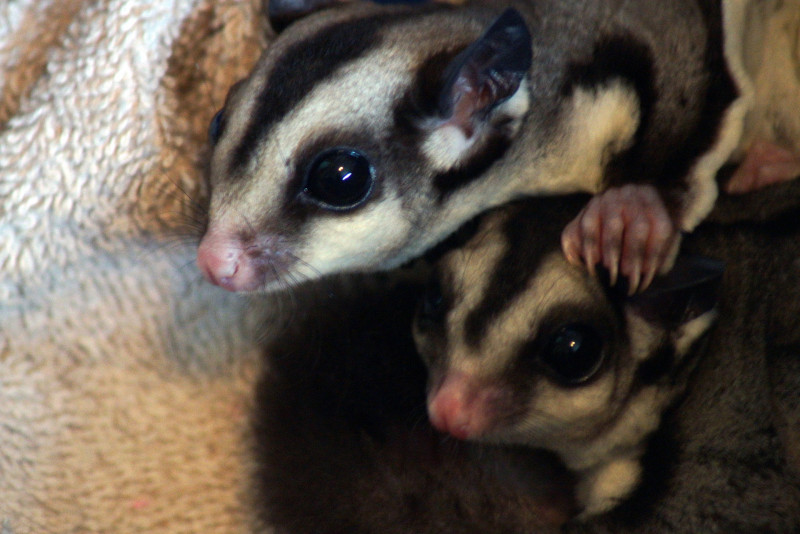
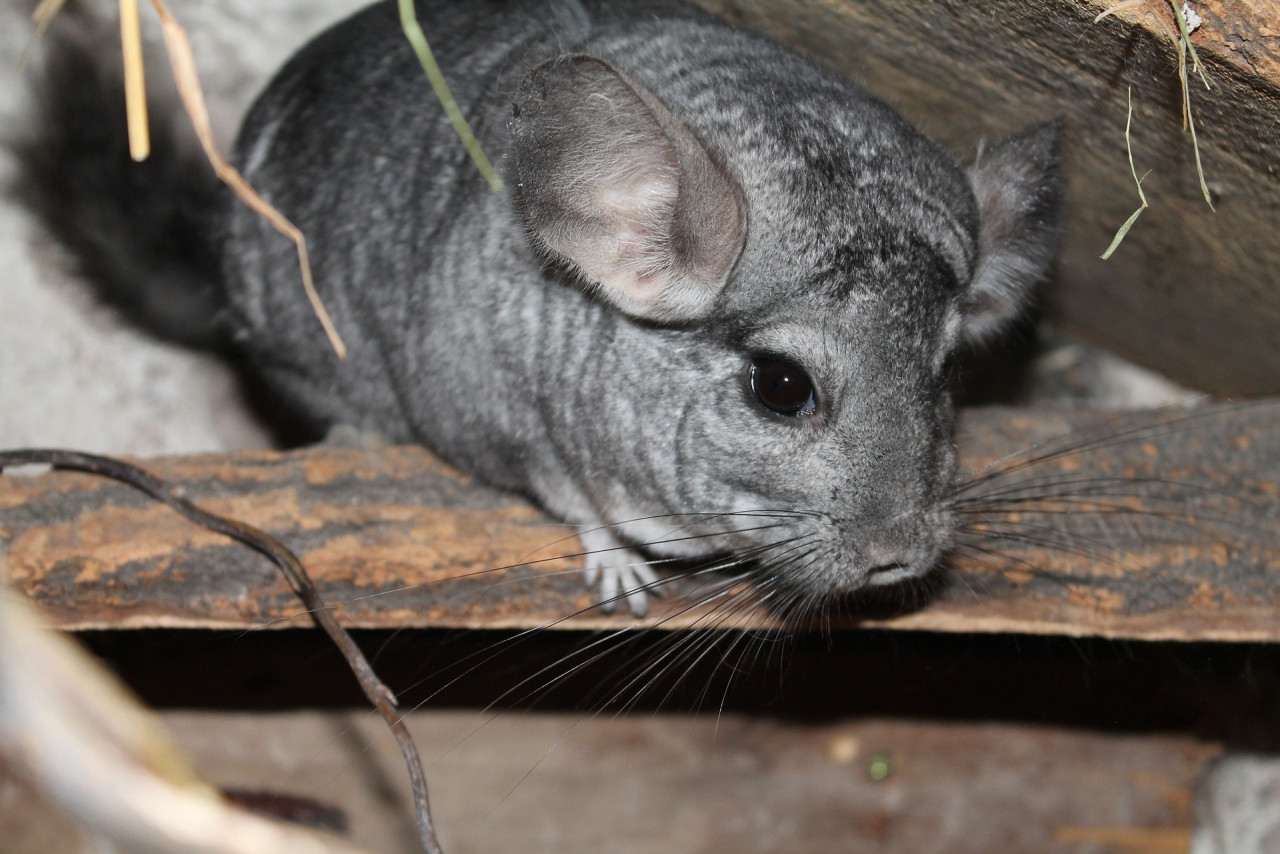
Once an animal is listed as endangered, it becomes more sought after by people desiring exotic pets. Chinchillas, sugar gliders, iguanas, tortoises and turtles, various primates, birds, and snakes are among the most sought-after exotic pets.
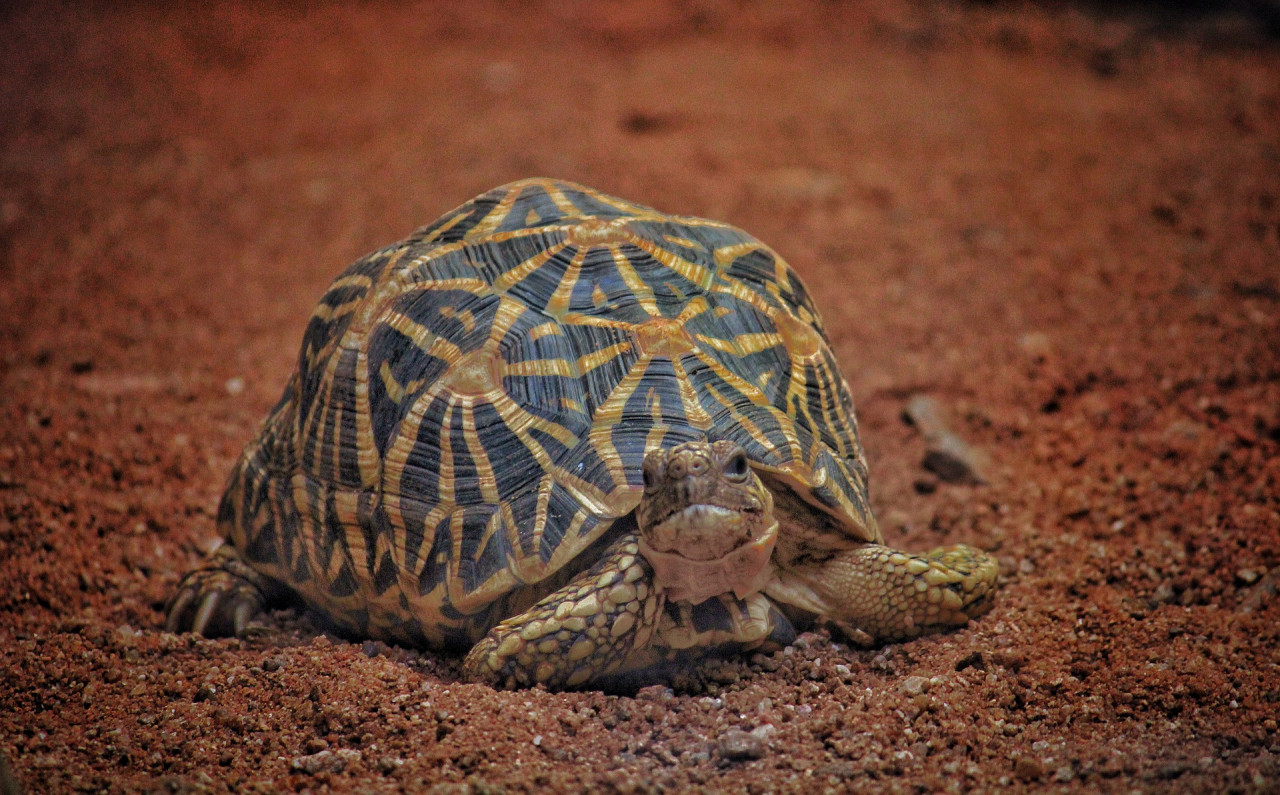
A quick internet search for buying an Indian star tortoise brings up a number of websites selling the protected species. The demand for exotic animals, particularly reptiles, has made Peninsular Malaysia one of the top markets for smuggled exotic animals.
Public demand encourages smugglers to poach for rare species. This involves large networks and syndicates, which employ groups of people: from hunters and collectors in rural areas to middlemen and high-level traders in urban centres.
Underground routes and a variety of methods are used to deceive enforcement authorities who are not experts in identifying violations of Cites (Convention on International Trade in Endangered Species of Wild Fauna and Flora).
Not all retailers are scrupulous in ensuring the exotic animals they buy are imported legally. The exotic animals in this process suffer at every step of the journey from capturing, handling, transporting, holding, breeding, and selling; to a lifetime of captivity in homes in substandard conditions, without proper food and care, and who may later die or be abandoned.
Abandoned or escaped exotic animals may spread in the wild and become invasive species competing with native species for food, or infect native species with diseases, which are two of the problems associated with exotic pets.
An already rare animal may become extinct with capture and captivity. And finally, exotic pet owners have insufficient knowledge, resources, and commitment for the care of these exotic animals.
The trade-in of exotic animals is out of control because of the increasing number of animals being traded and because it remains largely unregulated. Tougher legislation is needed against the illegal pet trade and law enforcement authorities would need to be apprised of the legislation to aid in the monitoring of all pet shops in the country.
Bearing in mind all of the above, CAP would strongly urge against keeping exotic species as pets or ornamental animals. Whether traded legally or illegally, keeping wild animals as pets is cruel.
A life in captivity is a life of suffering for exotic wild animals. – The Vibes, September 26, 2022
Mohideen Abdul Kader is president of the Consumers Association of Penang