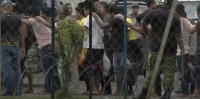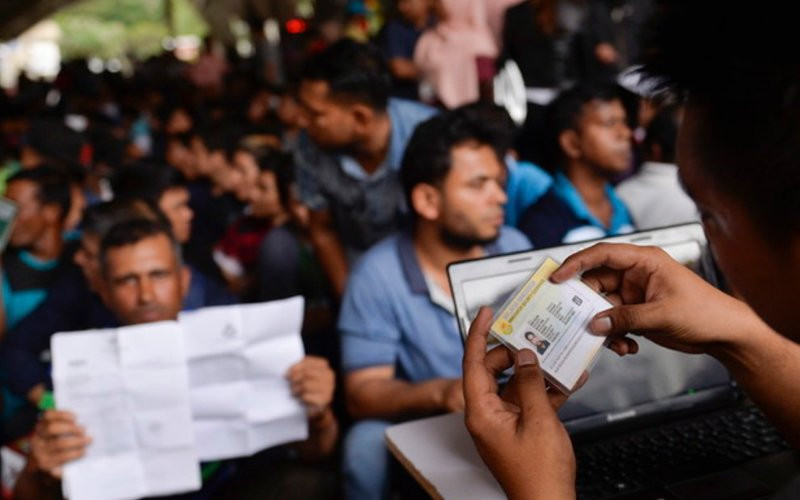
UNHCR Malaysia indicated that at the end of October 2022, there were 182,780 refugees and asylum seekers registered with UNHCR Malaysia.
157,680 were from Myanmar, comprising 105,790 Rohingya, 23,290 Chins, and 28,600 other ethnic groups from conflict-affected areas or fleeing persecution in Myanmar. The remaining individuals were 25,100 refugees and asylum seekers from 50 countries fleeing war and persecution, including 6,990 Pakistanis, 3,350 Yemenis, 2,910 Syrians, 3,070 Somalis, 3,320 Afghans, 1,510 Sri Lankans, 780 Iraqis, 650 Palestinians, and others.
66% of refugees and asylum seekers were men, while 34% were women.
There were 48,130 children below the age of 18. The refugees live in cities and towns across the peninsula, with sizable populations in Klang Valley, Johor, and Penang.
Refugees and asylum seekers are often denied rights, including equality before the law.
Currently, refugees and asylum seekers are not granted rights to work, rights to education, rights to healthcare, and are vulnerable to arbitrary treatment and crimes like human trafficking.
Since refugees are not formally recognised by the government, they also technically do not possess any rights under Malaysian laws.
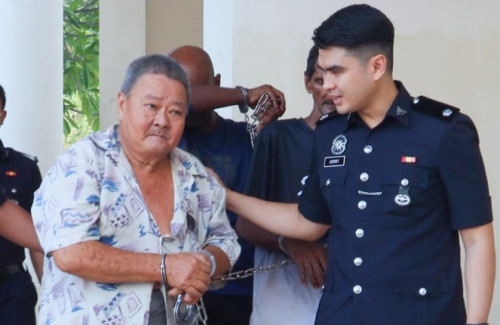
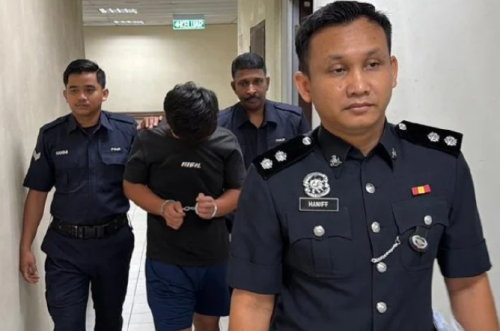
The Malaysian Immigration Act does not differentiate between refugees and illegal immigrants. As such, refugees are always in fear of being arrested by the authorities.
Education is a part of the challenge of being a refugee in Malaysia. Refugee children have only limited access to schools; most attend community schools run by non-governmental organisations or private tuition.
One of UNHCR’s efforts in Malaysia is to provide basic education to children of refugees. For example, since 2000, UNHCR has collaborated with some NGOs to provide access to basic education to Rohingya children.
The Universal Declaration of Human Rights defines human rights as rights inherent to all human beings, whatever their nationality, place of residence, sex, national or ethnic origin, colour, religion, language, or any other status.
The government and all the stakeholders should work towards advocating for the development and implementation of domestic, legislative, and administrative frameworks for the recognition and protection of refugee rights and access to healthcare, and education and other state social services while they are waiting to be settled in the destination countries.
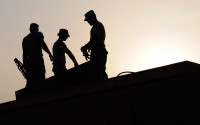
To reduce labour shortages in Malaysia, MEF is proposing special approval to be given to use the labour available within the country now from among the refugees.
With the special approval of the government, refugees may be deployed immediately to fill up the acute shortage until the new foreign workers finally arrive.
There were about 182,780 refugees holding UNHCR cards and more than 60% of them are potentially employable. – The Vibes, December 14, 2022
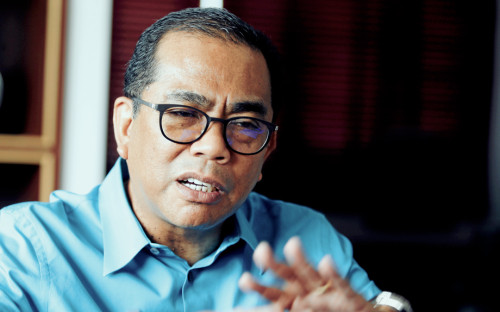
Dato’ Syed Hussain Syed Husman J.P. is president of the Malaysian Employers Federation, a central organisation of private sector employers in Malaysia that ims to promote and safeguard the rights and interests of employers