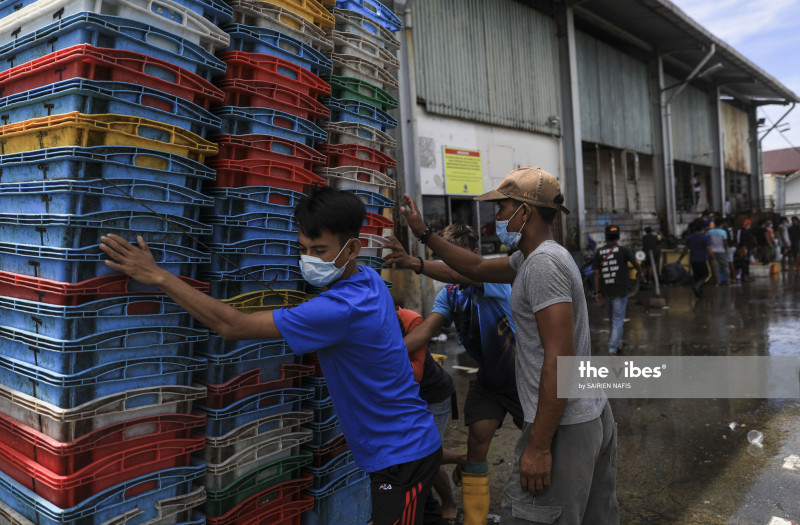
WORKERS in Malaysia have been the foundation of the growth of the nation since independence.
It is an embarrassment that Malaysian workers have been deliberately marginalised over the years, through systemic forms of suppression of their rights and the continued denial of a fair share of the economic spoils of the nation’s economic success and growth.
For the first time in decades, there is some hope of restoring balance and equity in the country’s socio-economic trajectory.
Prime Minister Datuk Seri Anwar Ibrahim’s reformation plan, Malaysia Madani, appropriately calls out the effects of economic inequality, which has been caused by years of neglect, institutionalised corruption, inappropriate policies, and a lack of proper governance.
According to data from the World Bank, Malaysia had a per capita gross national income of US$27,607 (RM123,141) in 2019. This places Malaysia in the bracket of an upper middle-income country according to the measures of the World Bank.
In 2020, the percentage of Malaysians living below the national poverty line of RM2,208 (approximately US$11 per person per day) was 8.4%.
A question needs to be asked as to whether a household can sustain a decent standard of living, which is a basic human right, at RM2,208 per month, especially in the bigger cities.
Clearly, the answer is in the negative. This effectively means that the incidence of poverty in the country is higher than the data suggests.
Anwar has correctly pointed out that corruption has resulted in the Malaysian economy being controlled by a select group of uber-capitalists. This has prevented the dynamic nature of a fair and equitable form of capitalism from flourishing.
The poor are getting poorer, the middle class is being pushed into poverty, and the 1% is getting richer and robbing the common people of Malaysia. Corruption benefits these robber barons, which include large corporations and foreign multinationals.
What needs to be done with immediacy is to introduce legislation which would provide greater social protection for Malaysians. Unemployment insurance and benefits, greater trade union protection and rights, and tighter laws governing the termination of employment.
There must be serious consequences for senior management and directors of companies who breach the country’s labour laws.
Anwar has identified the issues, called them out without fear or favour, and given the appropriate verbal assurances to the Malaysian people. It is now time to act and deliver to transform Malaysia for the benefit of all Malaysians and not just the corrupt.
This time next year, it is hoped that more workers will consider Labour Day one which they can be really “happy” about.
There is no time to waste to restore justice to the Malaysian worker. – The Vibes, May 1, 2023
Callistus Antony D’Angelus is international labour adviser of the Social Protection Contributors Advisory Association Malaysia, a nonprofit advocating for the promotion and defence of workers’ right to social protection