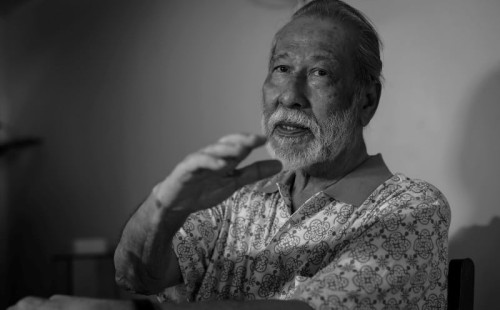
THE Shudokan, the very first Aikido dojo (school) in Malaysia founded in 1961 by the late Malaysian martial arts icon Thamby Rajah Sensei, continues to stand strong through decades of change, adapting to the evolving world while remaining deeply rooted in the traditions of Aikido.
Also being the first Aikido dojo outside of Japan, The Shudokan has weathered social, cultural, and technological shifts, and even Covid-19, continuing to thrive due to its unwavering commitment to discipline, respect, and community.
Under the guidance of Joe Thambu Shuseki Shihan (Chief Instructor) of Aikido Shudokan International and a dedicated network of instructors, The Shudokan has expanded internationally, yet it remains grounded in the core values established by its founder and Thambu’s uncle, Thamby Rajah Sensei, who’s also known as Malaysia’s father of Aikido.
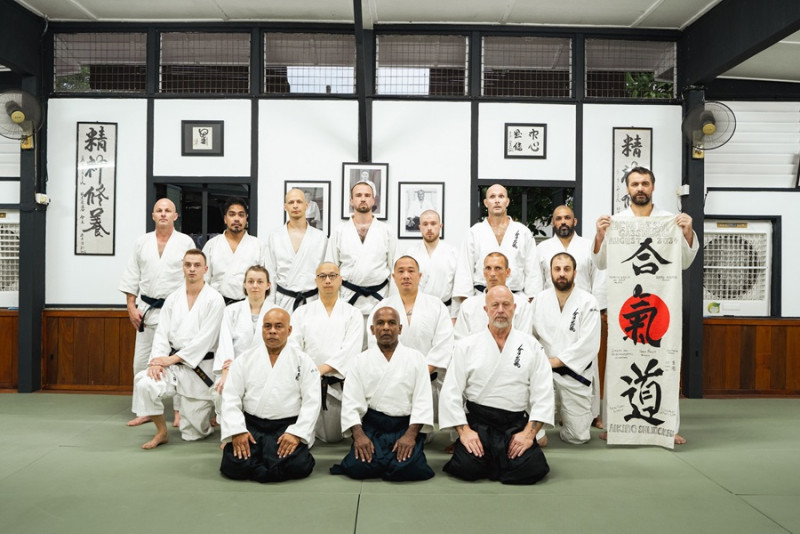
Recently, The Shudokan which is in Seremban, held a two-week immersive training camp called the Uchi Deshi Gasshuku.
The camp saw 14 dedicated Aikido practitioners from around the world gather for an intensive training experience under the watchful eyes of Joe Thambu Shuseki Shihan.
Thambu explained that the term Uchi Deshi is Japanese for “live-in student”, totally immersing themselves in Budo (The Martial Way). Traditionally, an uchi-deshi would apprentice him or herself to a master teacher and live in the dojo or the home of the teacher, serving them all day, every day.
“An uchi deshi’s training does not only take place on the mats but through the way an uchi-deshi conducts their daily life, he or she strives to cultivate a greater understanding of martial techniques and spirit,” said Thambu.
Thambu says more upcoming programs will be held at The Shudokan, including an exclusive 5-day Seminar on Advanced Tanto Manipulation and Aiki Goshinjitsu from December 13 to 17.
This seminar will feature Paul Cale Shihan and David Dangerfield Shihan, both esteemed Aikido instructors from Australia, and will delve into advanced self-defence techniques.
“We hope Malaysians continue to help us preserve and grow these traditions, especially schools like The Shudokan, which carry a rich heritage.
“It is our collective responsibility to keep these arts alive for future generations.” - October 18, 2024