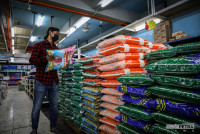
IN a report titled Addressing Food Security in Challenging Times, Malaysia is noted to be a net importer of food with a value in excess of RM18.6 billion annually.
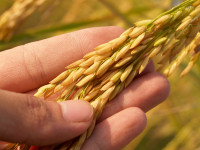
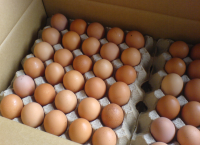
Depending on food types, we produce between 20% and 70% of local consumer food requirements, including 70% of rice, 74% of vegetables, 78% of fruits, 86% of fish, 32% of beef, 23% of mutton, and 18% of milk.
The implication of this is on the possibilities and opportunities for the local agricultural industry to not only produce more but also to create higher income jobs.
Neighbouring countries Thailand and Indonesia, which are twice and eight times more populous respectively than Malaysia, have moved ahead as among the world’s largest producers and exporters of agricultural products. They are embracing biotechnology, diversifying, and specialising in order to meet domestic and world market demands.
This month, Breaking Down the Issues speaks to biotechnologist Dr Ganesh Kishore to explore advances in biotechnology that can provide both large-scale and small-scale farmers with “convenient, reliable, and resilient systems”.
He emphasises the role of organisations such as the Malaysian Agricultural Development Institute, Palm Oil Research Institute of Malaysia, and the Rubber Research Institute of Malaysia in researching the biological diversity of our ecosystem by “collecting germplasm, screening and figuring out if we should be domesticating some of those crops” and supporting local farmers with the selection of higher-yielding, more climate-resilient crops.
Dr Kishore highlights the role of the government as one that reviews the impact of biotechnology, regulates and facilitates the development of the sector, opening up possibilities and providing opportunities to local farmers.
He provides insights into how the farm is a pattern and the farmer gets to know it. However, the key to the development of the sector is the collective effort to create the possibilities and opportunities to achieve food security and uplift the farming community.
This BDI episode, on the future of agriculture, is brought to you by advocacy and research group Sekhar Institute with the Good Capitalism Forum, which promotes social capitalism, and Malaysia’s online news portal The Vibes. – The Vibes, January 15, 2023