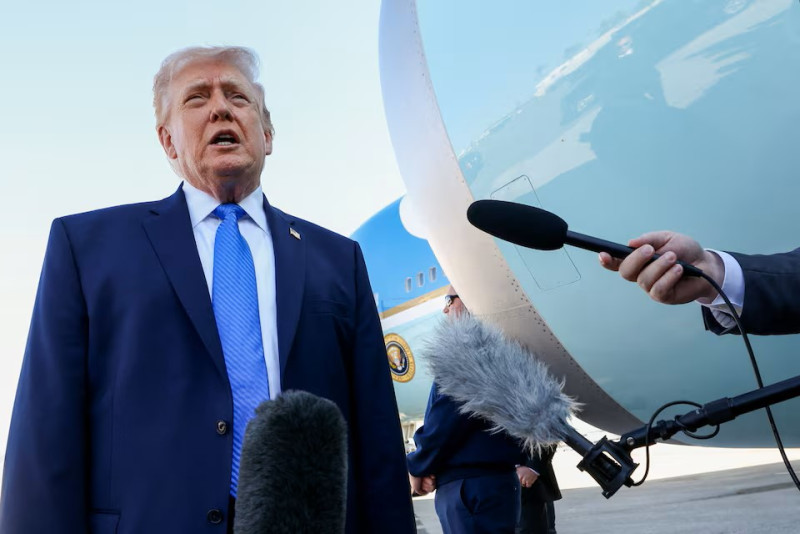
US President Donald Trump has threatened “tremendous” economic consequences against any country that provides Iran with what he described as “any type of lifeline”, escalating pressure on Tehran as Washington seeks to resolve a war that has disrupted regional security and global markets.
In a social media post on Wednesday evening, Trump warned that countries allowing their financial institutions, businesses, airports or government entities to support Iran would face “Economic Warfare and Isolation on an unprecedented scale”.
“Any country that allows its financial institutions, businesses, airports, or government entities to provide any type of lifeline to Iran will itself face TREMENDOUS Economic Consequences,” Reuters cited trump writing.
Trump did not specify what measures Washington would impose or name any country that could be targeted.
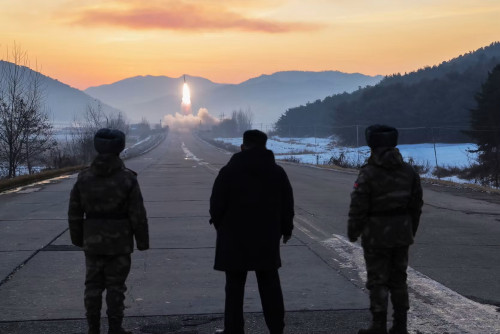
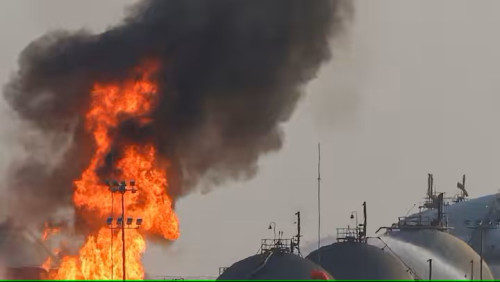
His warning comes as the United States seeks to bring an end to a conflict that began nearly six months ago alongside Israel and has killed thousands of people while drawing in countries across the Gulf.
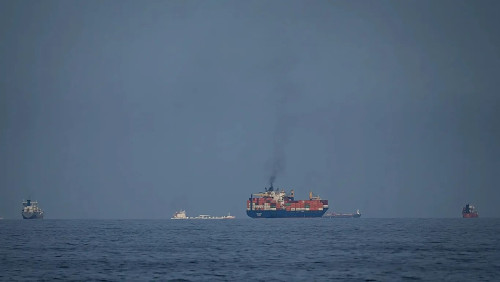
The conflict has also sent shockwaves through global markets, particularly after Iran demonstrated its ability to disrupt shipping through the Strait of Hormuz, a critical maritime chokepoint through which about a fifth of the world's traded oil passed before February.
The United States and Iran have twice announced ceasefire agreements, in April and June, aimed at restoring the free flow of shipping through the strait to pre-war levels as part of wider efforts to end the conflict.
Both agreements, however, quickly collapsed, even as Israel has largely withdrawn from the fighting.
Trump's latest warning could potentially affect US allies that have played roles in mediating efforts to end the conflict, although he did not identify any of them.
The United Arab Emirates, which hosts a major US military base, announced on Tuesday that it was suspending all trade activities, commercial exchanges and financial transactions with Iran until further notice.
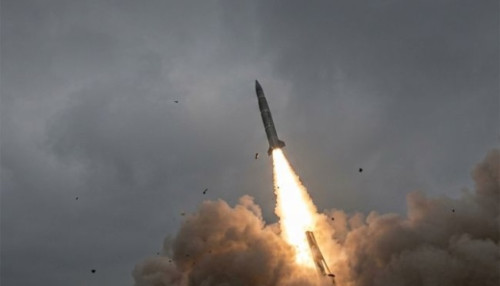
The move came after the UAE Defence Ministry said it had detected two missiles launched from Iran that fell into the sea. Tehran dismissed the report as baseless.
The threat also poses a potential challenge for countries maintaining economic ties with Iran, particularly China, which bought more than 80% of Iran's shipped oil in 2025, according to analytics firm Kpler.
Any expansion of US economic warfare against China could carry wider consequences given its role as a major exporter to the United States, including of critical rare-earth minerals, raising the prospect of retaliation.
Iran, meanwhile, has maintained that it remains open to dialogue with Washington but will not equate negotiations with surrender.
Mohammad Mokhber, an adviser to Iran's Supreme Leader, said military pressure and sanctions would not break Tehran's resolve, according to the semi-official Fars news agency.
Trump said on Tuesday that no talks were taking place with Iran, while a day earlier his son-in-law and special envoy Jared Kushner struck a more conciliatory tone, saying negotiations were still under way and were “probably more robust” than ever.
Trump is seeking to seize Iran's stockpile of highly enriched uranium and secure a new and more restrictive agreement limiting the country's nuclear energy and research programmes.
The proposed agreement would replace the 2015 nuclear deal from which Trump unilaterally withdrew the United States in 2018.
Iran, a signatory to the Nuclear Non-Proliferation Treaty, has maintained for decades that its nuclear programme is intended for peaceful purposes. - August 20, 2026
.jpeg)