
YEMEN’S Iran-aligned Houthi rebels have seized the strategic Greater and Lesser Hanish islands in the southern Red Sea, strengthening their position along a key maritime route as repairs to a vital Saudi oil pipeline could take up to five weeks, regional officials said.
Houthi officials said on Monday the rebels had taken control of the islands as Saudi-backed government forces sought to halt their rapid advance around the Bab el-Mandeb Strait, a key shipping route linking the Red Sea with the Gulf of Aden.
AP reported on Tuesday that the seizure follows the Houthis’ capture of the Red Sea port of Mokha and another strategic island last week, further strengthening their position along Yemen’s western coast.
The developments are putting additional pressure on Saudi oil shipments after an attack last week damaged the kingdom’s East-West Pipeline, which carries crude from Gulf ports to the Red Sea coast for export.
Two regional officials said repairs to the pipeline could take three to five weeks, leaving most of the line out of service. One official said the pipeline could operate partially while repair teams work on the damaged sections, including at a major pumping facility.
The officials spoke on condition of anonymity because they were not authorised to brief the media.
The pipeline has become particularly important after Iran effectively closed the Strait of Hormuz, through which about a fifth of the world’s traded oil and gas passes in peacetime.
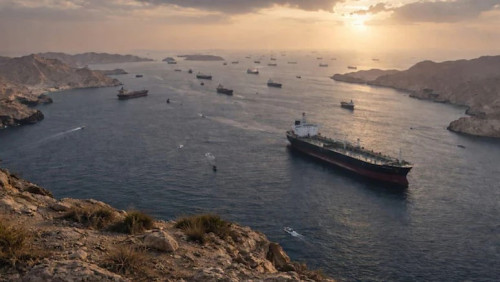
Saudi Arabia has relied on the Bab el-Mandeb route to move crude exports by sea, but the Houthis’ expanding control around the southern Red Sea is increasing the risk to those shipments.
The combined disruptions could put further upward pressure on global oil prices and give Iran greater leverage in its conflict with the United States.
The Houthi advances have also triggered a major humanitarian crisis in Yemen.
Nearly 94,000 people have fled their homes since fighting between the rebels and government forces escalated this month, the International Organization for Migration said on Monday. More than 2,000 people have crossed the sea into Djibouti, while about 200 schools have been converted into shelters in southwestern Yemen, according to the International Rescue Committee.
The World Health Organization said more than 500 people were killed during the week ending Saturday, raising fears that Yemen could slide back into a full-scale civil war after a ceasefire in 2022.
China, a major importer of Middle Eastern oil, called Houthi attacks on Saudi energy infrastructure “unacceptable” and said it was “deeply concerned” about further escalation by the rebels. - September 14, 2026











.jpg)