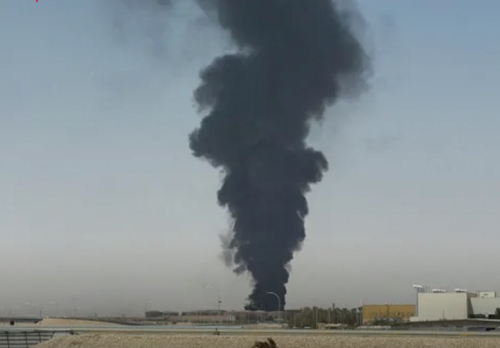
INDONESIA recorded a 67 per cent drop in forest and land-fire hotspots, with 387 detected nationwide as of last night, down from 1,176 the previous day, although prolonged dry weather continues to raise the risk of renewed fires.
The Forestry Ministry said satellite monitoring system SiPongi recorded the latest figures at 9.10pm local time, with hotspots across six priority regions also falling from 543 to 268.
South Sumatra recorded the highest number at 130, followed by Central Kalimantan with 86, South Kalimantan with 37, West Kalimantan with 12 and Jambi with three. Riau recorded no hotspots.
“The decline in hotspots is a positive development in efforts to manage forest and land fires. However, vigilance must be maintained,” the Forestry Ministry said in its latest Instagram post today.
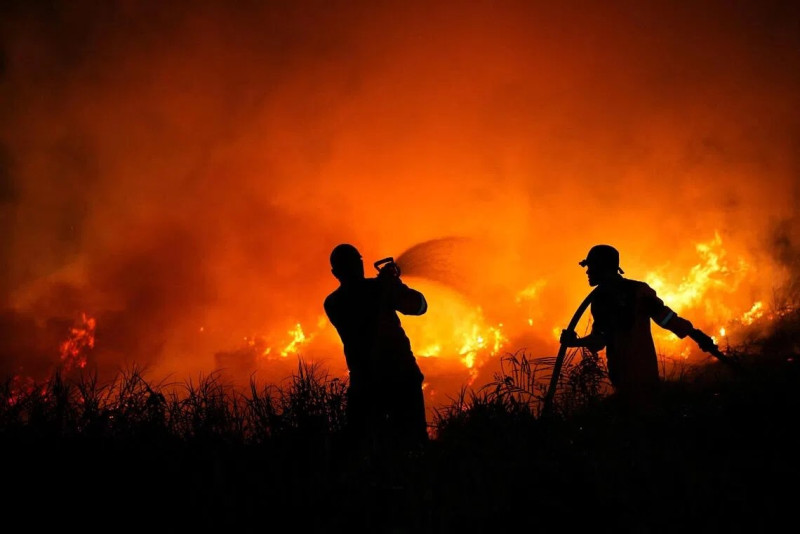
The ministry said 61 aircraft remained available for firefighting operations, comprising 44 water-bombing aircraft and 17 aircraft assigned to aerial patrols and cloud seeding. Ground teams were also tackling fires in affected areas.
Particular attention was being given to peatland fires, where embers can continue burning beneath the surface even after visible flames have been extinguished. Prolonged firefighting and cooling operations are therefore needed to prevent fires from reigniting, the ministry said.
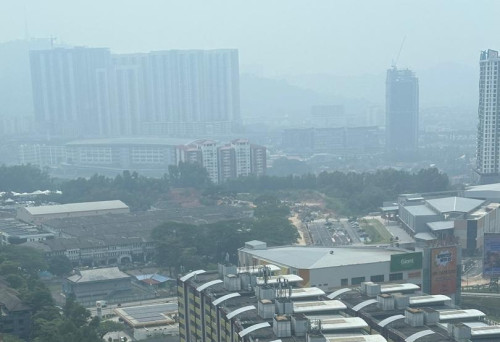
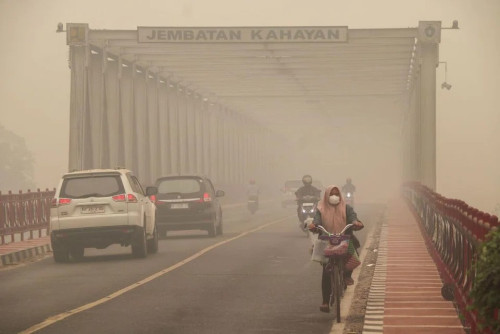
Despite the fall in hotspots, air quality remained unhealthy to very unhealthy in parts of Sumatra, Kalimantan, Java and Papua, with some areas of Kalimantan recording hazardous levels of fine particulate matter (PM2.5).
The Meteorology, Climatology and Geophysics Agency (BMKG) warned that predominantly dry weather could further increase the risk of forest and land fires, particularly in areas experiencing prolonged periods without rain.
“Persistent dry conditions remain a concern because they can increase the risk of forest and land fires, particularly in areas experiencing prolonged periods without rain,” the agency said in its latest weekly weather outlook.
The BMKG said very strong El Niño conditions and a positive Indian Ocean Dipole (IOD) were suppressing rain-cloud formation. Some 70.59 per cent of Indonesia recorded low rainfall during the final 10 days of September.
It forecast that 66.09 per cent of the country would receive low rainfall, ranging from zero to 50mm, during the second 10-day period of October. The areas most affected were expected to include southern Sumatra, Java, Bali, Nusa Tenggara, central and southern Kalimantan, Sulawesi and parts of Papua.
However, moderate rainfall remained possible in parts of South Sumatra, Jambi and West Kalimantan through Oct 11, while strong winds could affect Central and South Kalimantan. - October 9, 2026