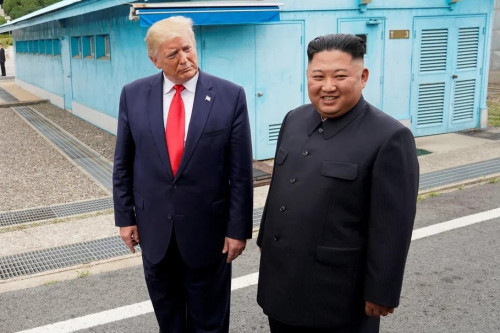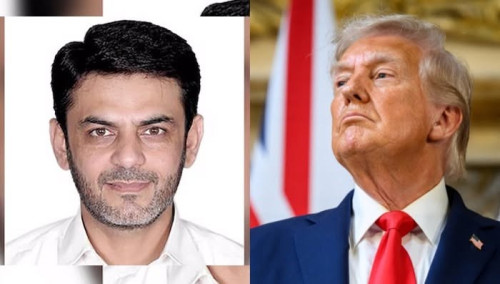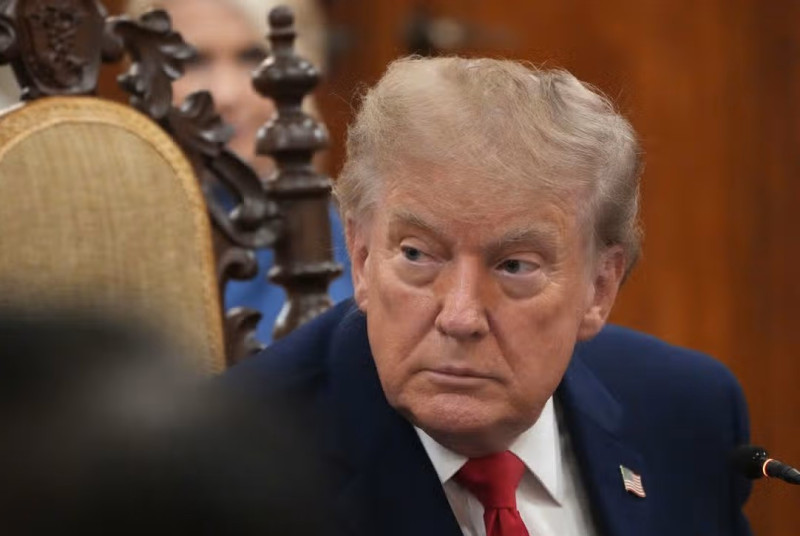
CHINA'S President Xi Jinping and Russian President Vladimir Putin on Wednesday challenged Western economic influence, setting the stage for high-stakes talks with US President Donald Trump amid concerns that smaller countries could be sidelined by major-power deals.
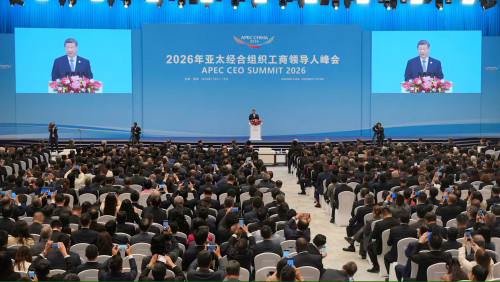
Speaking at the Asia-Pacific Economic Cooperation (APEC) summit in Shenzhen, Xi urged countries to uphold free and open trade and investment, while Putin criticised Western sanctions and described Western powers as “former hegemons”.
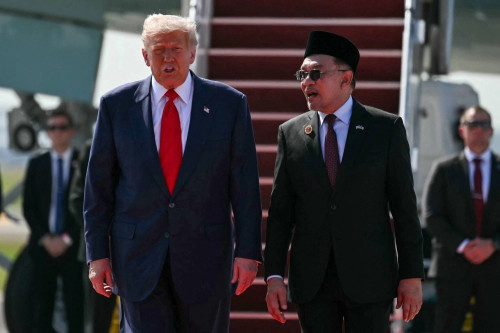
Their remarks came hours before Trump arrived in China following meetings with regional allies in Manila, ahead of a trilateral meeting involving the three leaders on Thursday.
Reuters reported on Wednesday that the meeting is expected to address major geopolitical and economic issues, including Russia's war in Ukraine, the US conflict with Iran, trade, artificial intelligence and nuclear weapons.
The gathering has drawn comparisons with the 1945 Yalta Conference, which helped shape the post-World War Two order, prompting concern in European and Asian capitals that the interests of smaller countries could be overlooked.
In his address to business executives, Xi called for support for the rules-based multilateral trading system centred on the World Trade Organization, as well as stable global industrial and supply chains.
“We must firmly uphold the rules-based multilateral trading system with the World Trade Organization at its core, support free and open trade and investment, maintain the stability and smooth operation of global industrial and supply chains,” he said.
Xi's remarks followed Washington's announcement of further restrictions on China's access to advanced artificial intelligence chips, including those produced by Nvidia, potentially complicating an already fragile trade truce between the two countries.
Beijing has pledged to retaliate.
Xi said China would continue investing in its industrial base and developing technologies that could benefit other countries, while lowering tariffs and opening its markets further.
He also criticised protectionism and unilateralism, seeking to position China as a stable partner for developing economies.
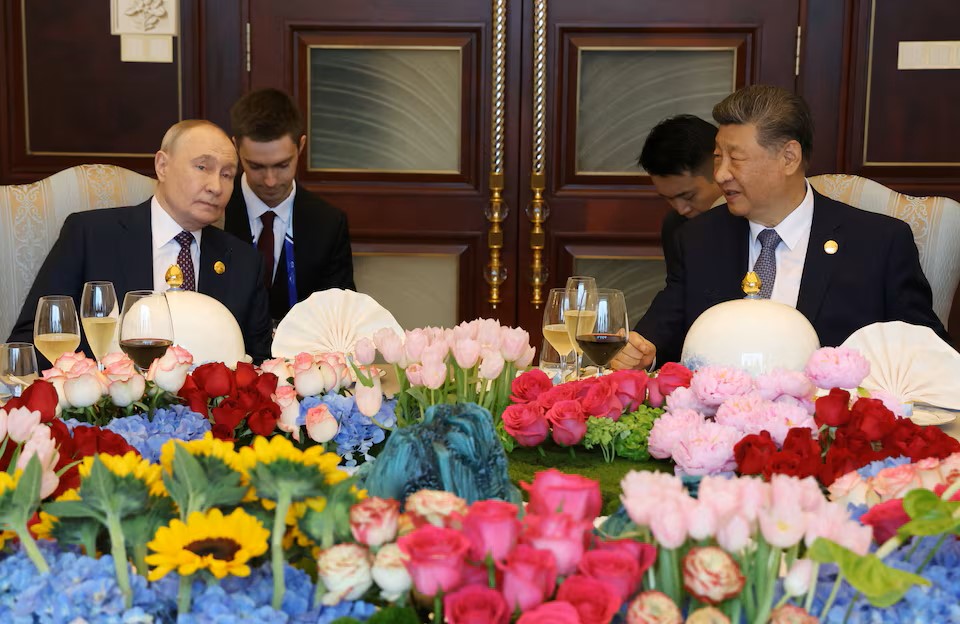
Putin, meanwhile, said Western sanctions, tariffs and export restrictions had lost much of their ability to restrain economic competitors.
“Experience has shown that the traditional tools of economic dominance and de facto coercion have largely run their course, having lost much of their intimidating power,” he said.
He also described Europe as being in a “humiliating decline”, arguing that sanctions imposed on Russia following its invasion of Ukraine had backfired.
At a subsequent bilateral meeting, Xi and Putin reaffirmed their close partnership and pledged further cooperation to advance what they called a “multipolar world”.
Analysts said Xi's message was likely to resonate with Global South countries, reinforcing Beijing's efforts to distinguish its technology and trade policies from Washington's approach.
Despite tensions over trade and technology, analysts largely expect Washington and Beijing to seek to maintain relatively stable relations, with Trump and Xi scheduled to meet again at the Group of 20 summit in Miami in December.
Putin said disagreements could be addressed through dialogue and expressed hope that Thursday's trilateral meeting would deliver significant benefits.
“I therefore expect big potential benefit from the upcoming trilateral meeting,” he said. - November 18, 2026