RABAT – A withering drought and poor harvests plus price hikes fuelled by the war in Ukraine are threatening Morocco’s fragile economic recovery and exposing structural weaknesses, experts say.
The North African kingdom had bounced back last year after a sharp recession in 2020 due to the Covid-19 pandemic, and the government of gas tycoon Aziz Akhannouch had forecast growth this year topping 3%.
But since Russia’s invasion of Ukraine he has been forced to slash that figure to at most 1.7%, telling parliament that “sudden external events and climate change” were to blame.
The International Monetary Fund has forecast an even lower growth of 1.1%.
Morocco has pumped resources into diversifying its manufacturing sector, particularly by attracting auto giants such as Renault.
But those efforts “have not changed the structure of the economy”.
That is the conclusion of a 2021 report by a commission on the “New Model of Development” (NMD), a strategy announced last year which sets out ambitious plans including slashing Morocco’s wealth gap and doubling per capita economic output by 2035.
Morocco depends heavily on agriculture, a sector that accounts for 14% of gross domestic product and around a third of all jobs.
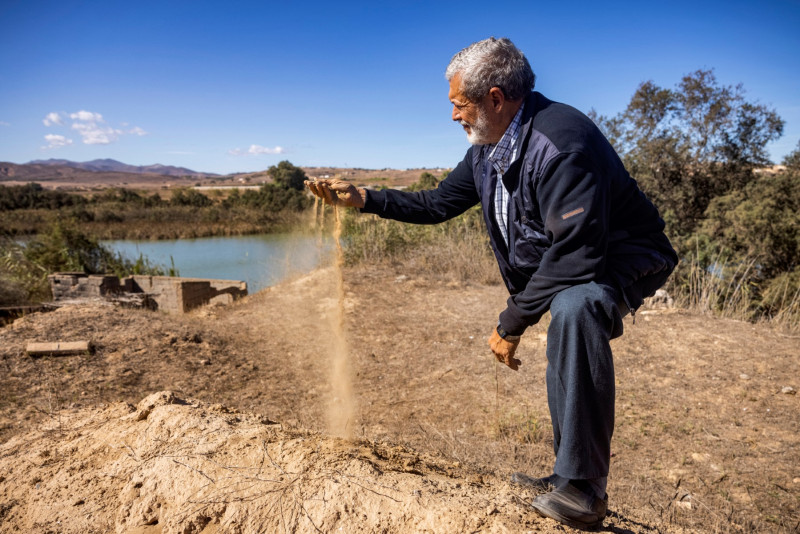
But farmers are on the front line of climate change and have been hit hard in recent months with rainfall down by more than a third on the long-term average.
That has had a direct impact on crops, and the agriculture ministry now expects a cereal harvest two-thirds down on last year’s figure.
Despite an uptick in fruit and vegetable exports, the sector overall is set to shrink by 14% this year.
That will “directly hit jobs and the level of consumption, especially in rural areas”, said economist Abderrahim Hendouf.
Over-reliance on agriculture, particularly for jobs, makes Morocco’s economy more vulnerable, he said.
Profiteering, oligopolies
But drought is not the country’s only vulnerability.
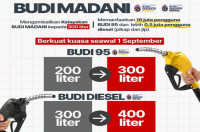
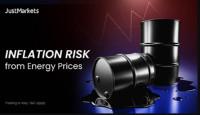
The war in Ukraine has sent grain and energy prices spiralling globally, pushing fuel prices in Morocco to record levels.
Many Moroccans have also pointed the finger at speculators and fuel distributors, accusing them of profiteering from the crisis.
In April, as Muslims marked the holy month of Ramadan, consumer inflation hit 5.9% on an annualised basis.
“The situation has hit Moroccans’ buying power and risks feeding social anger,” said Rachid Aourraz, a researcher at the Moroccan Institute for Policy Analysis.
Akhannouch’s government has announced a billion-euro assistance package to help farmers, as well as tackle inflation.
Aourraz predicts “the consequences of this crisis could be less severe than last time, thanks to positive developments in other sectors like services and industry”.
Since the start of the year, the government has doubled fuel and flour subsidies as well as offered direct financial aid to transport workers who had held a week-long strike over the crippling rise in costs.
Akhannouch has also vowed to boost state investments to create jobs.
But even prior to the current impasse, Morocco had seen a decade of slowing growth as well as gaping social and regional inequalities, with the richest fifth owning half of the country’s wealth.
The kingdom is hoping to go beyond 6% growth by 2035, partly by bringing the large informal sector into the formal economy and by nurturing the industry.
But the latter will need a major boost in private investment.
The commission for the NMD says it will also require major shifts in the business environment, currently hobbled by “oligopolies and anti-competitive practices”.
Karim Tazi, one of the report’s authors, points to the banking sector, dominated by three main operators, and the energy sector as particularly uncompetitive.
Such practices “are enough to destroy the growth of any economy,” he said. – AFP, June 1, 2022