
POOR infrastructure and weak logistics in Sabah have not only cost the state dearly but also held back its economic potential, said a top industry expert.
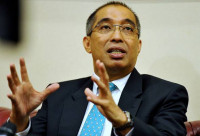
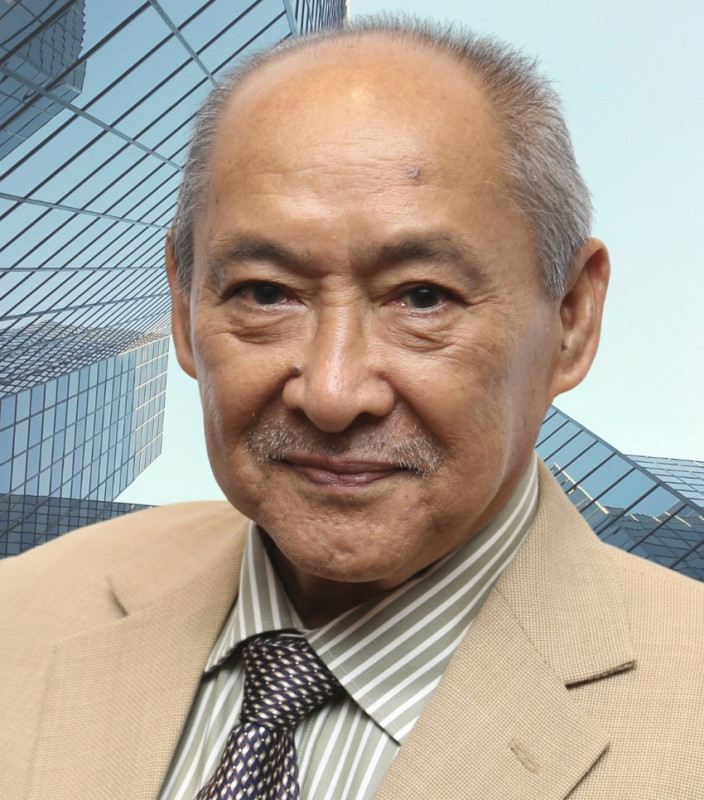
Former Chartered Institute of Transport Malaysia (CILTM) president Ramli Amir said that Sabah’s fragmented logistics network and poor connectivity are stifling growth.
Ramli is also the former International vice president for Southeast Asia at CILTM.
“The lack of an efficient transport system is not just an inconvenience — it’s an economic bottleneck.
“Sabah is losing billions in potential trade due to delays, inefficiencies, and high transport costs," he said in Kota Kinabalu, today.
The state has long been grappling with inadequate public transport, poor road conditions, and limited rural connectivity, issues that have kept it trailing behind Peninsular Malaysia.
“Sabah’s Pan Borneo Highway could be a game-changer, but delays in its completion are dragging down its potential impact.
“We need to stop seeing infrastructure projects as isolated achievements and start planning for a cohesive transport ecosystem,” he said.
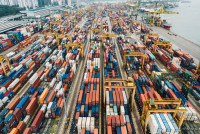
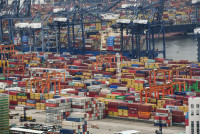
One bright spot is the expansion of the Sapangar Bay Container Port, which will increase its capacity to 1.25 million TEUs by 2025.
However, Ramli cautions that this is only part of the solution.
“The port expansion is promising, but without better road and rail connections, its impact will be limited,” he noted.
Ramli however praised the Sabah Logistics Council for its efforts in addressing systemic issues but stressed the need for a comprehensive transport master plan.
“Sabah needs a long-term vision—one that integrates road, rail, ports, and even air transport. Anything less is just patchwork,” he said.
The state government allocated RM1.06 billion this year for rural infrastructure projects, but Ramli believes more must be done.
“Throwing money at the problem isn’t enough,” he said.
“We need smarter planning, better execution, and an unwavering commitment to closing the gap between Sabah and the rest of Malaysia.”
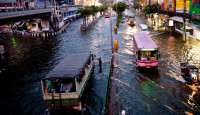
Residents, meanwhile, are left to cope with the daily grind of unreliable buses and costly private transport. “Sabahans deserve better. This isn’t just about economics—it’s about quality of life,” Ramli added.
With Sabah contributing 5.5% to Malaysia’s GDP, the stakes are high. Ramli insists the state’s potential is undeniable—but only if its transport woes are addressed.
“Sabah could be an economic powerhouse, but not with its current transport system. It’s time for action, not excuses,” he said. - January 3, 2025