THE Consumers’ Association of Penang (CAP) has expressed concern over a development project near the Waterfront Condo, opposite the floating mosque in Tanjung Bungah.
According to its president, Mohideen Abdul Kader, the project, which is already underway, has caused significant issues.
"The use of heavy machinery has damaged water pipes and sewage manholes belonging to a nearby resident.
"Additionally, large trees that took decades to grow were uprooted in just days by bulldozers, while sightings of dusky leaf monkeys clinging helplessly to branches were reported during the land clearing, but their current fate remains unknown," he said.
He said clear-cutting practices involve removing all trees in an area and are highly controversial due to their severe environmental consequences.
"Trees play a critical role in maintaining ecological balance. Removing trees destroys habitats, disrupts the water cycle, exacerbates climate change, and contributes to pollution and soil erosion.
"Wildlife, particularly vulnerable species like the dusky leaf monkeys, suffer immensely from the loss of their natural habitat," he said.
He said that professionals involved in development projects must recognise that land clearing significantly impacts ecosystems, soil stability, and water sources.
Adhering to environmental regulations and implementing mitigation measures, such as erosion control, is essential to minimise damage, added Mohideen.
He said sensitive areas, such as wetlands or protected zones, should be identified and preserved under environmental laws. Proper planning ensures that development can proceed without causing irreparable harm to the environment.

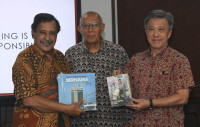
Sahabat Alam Malaysia Picture
"The destruction caused by land clearing extends beyond trees. It has devastating effects on wildlife by destroying ecosystems and fragmenting habitats.
"Animals displaced by clearing face hostile and unfamiliar environments, often leading to physical injuries, starvation, or death.
"Reptiles and small mammals, which often have small home ranges and specific habitat requirements, are particularly vulnerable. Lizards and snakes, for instance, rely on microhabitats like logs, rocks, and leaf litter for survival.
"The loss of such habitats increases the risk of extinction for these species. Unlike the visible impact on trees, the harm to wildlife is often less apparent, but this invisibility does not make it any less significant," he added.
Unfortunately, Mohideen said the state government, the Department of Environment, and local authorities have yet to effectively address the impact of land clearing on wildlife.
He said there is no clear framework to evaluate or mitigate the harm caused by such activities. This oversight is deeply troubling, especially given the scale of current land-clearing operations.
"CAP urges decision-makers and town planners to account for wildlife when evaluating development proposals and land-clearing applications.
"Protecting both the environment and its inhabitants must become a central consideration in all development decisions," he added. - November 28, 2024