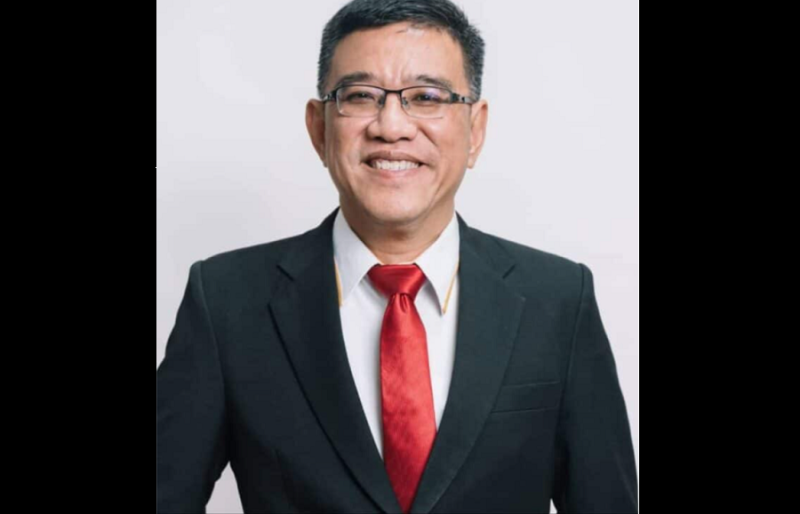

ISSUES plaguing the tourism sector - from rising operating costs, acute labour shortage to a perceived oversupply of accommodation, requires reforms at the federal levels, said Wong Hon Wai.
The state executive councillor, who oversees tourism, said the labour shortage in the hospitality and food services sector has been a persistent national challenge since the pandemic.
"While Penang, like other states, is affected by this issue, it is important to note that manpower policies (including foreign worker quotas, visa processing, and recruitment frameworks fall under the jurisdiction of the Federal Government, particularly the Human Resources Ministry. This is not a Penang - specific issue and requires structural reform at the federal level," stressed Wong.
The Paya Terubong assemblyman said the hospitality industry should place greater emphasis on developing local talent by strengthening Technical and Vocational Education and Training (TVET) pathways.
They should also enhance inhouse training, and foster closer partnerships with educational institutions to build a resilient and skilled local workforce, he added.
Penang is committed to facilitating local solutions and collaboration, effective and sustainable manpower relief — both in the short and long terms — which ultimately depends on coordinated federal policy response, said Wong.
He underscored that tourism remains one of Penang’s most vital economic pillars.
And with the United States' import tariffs generating unrest in global trade, Wong said there is room to grow and expand tourism as a focal point in the services sector.
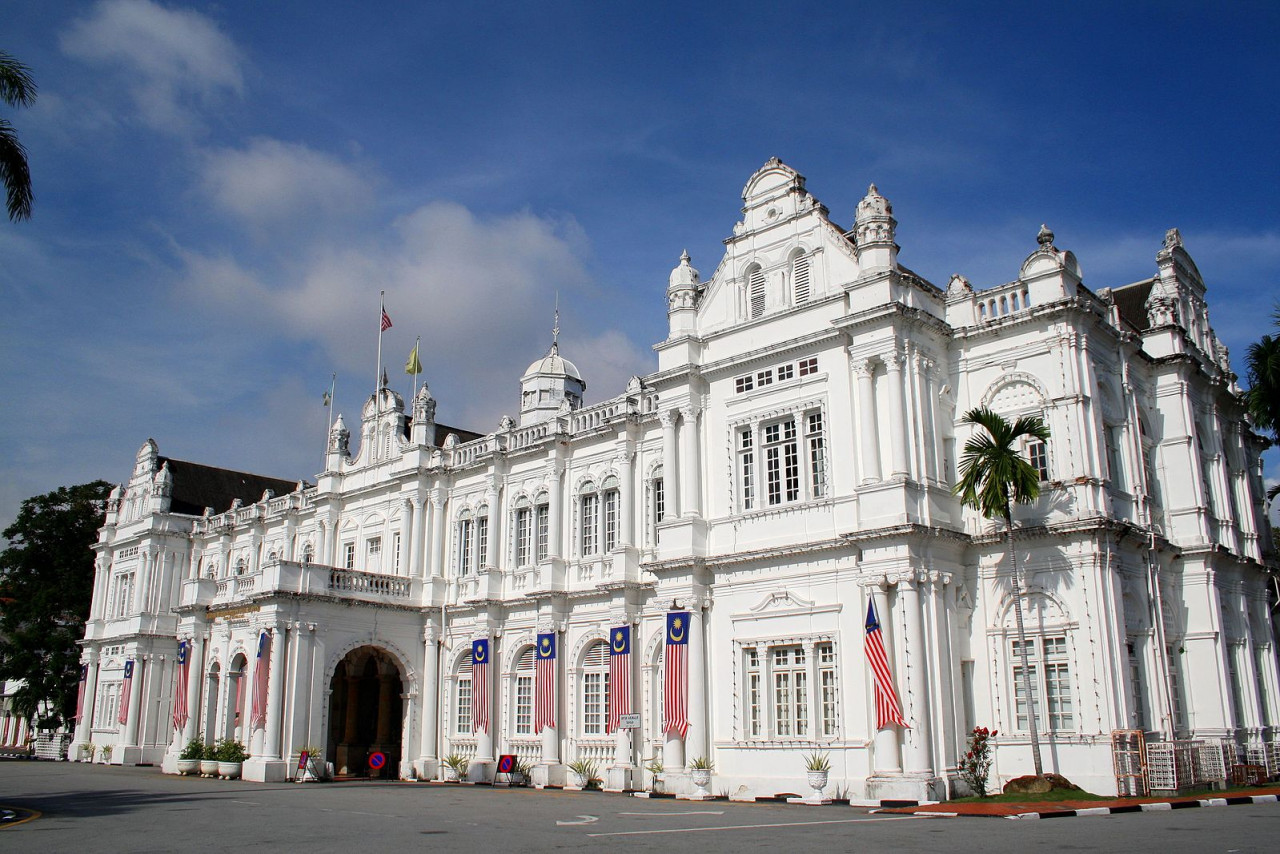
"Blessed with colonial and local architecture, rich cultural heritage, scenic landscapes, and a thriving industrial ecosystem, the state has long been a preferred destination for travellers."
But the sector is reportedly grappling with rising operational costs, a shortage of workers, and increasing concerns over an oversupply of accommodation.
It was reported that from August 2023 to April 2025, a total of 13 new hotels have commenced operations in Penang, contributing an additional 2,311 rooms to the market.
This brings the total number of hotel rooms in the state to approximately 22,500.
This increase in capacity is timely and well-targeted, said Wong, adding that this is particularly in emerging areas such as Balik Pulau and the Prai mainland, which are seeing growing tourism activities and urban development.
Penang is already a prominent destination for Meetings, Incentives, Conventions and Exhibitions (MICE), welcoming thousands of delegates annually.
The availability of reputable hotel brands is a key factor in securing large-scale international conferences and events, said Wong.
Looking ahead, the opening of the Penang Waterfront Convention Centre (PWCC) in October 2025 will further strengthen Penang as a leading MICE destination.
Furthermore, Penang’s positioning as a regional hub for the semiconductor industry continues to drive demand for quality business accommodation.
The establishment of these internationally recognised hotels enhances our competitiveness in attracting foreign investors, corporate delegations, and long-stay professionals, Wong underscored.
The latest data from Tourism Malaysia confirms this positive trajectory.
In 2024, a total of 8,237,072 tourists stayed in hotels across Penang, compared to 7,272,526 in 2023 – an impressive 13.3% increase in just one year.
This sharp rise in hotel guests is a clear indicator of sustained demand and robust tourism growth in the state.
It also reinforces that the expansion in hotel supply is being matched by rising visitor numbers, said Wong.
"The hotel industry has to be agile and continuously evolve in response to emerging challenges.
“It cannot afford to rest on its laurels, especially in a highly competitive and fast-changing tourism landscape. Innovation, service quality, and strategic adaptation are crucial for long-term resilience and growth." - June 4, 2025.